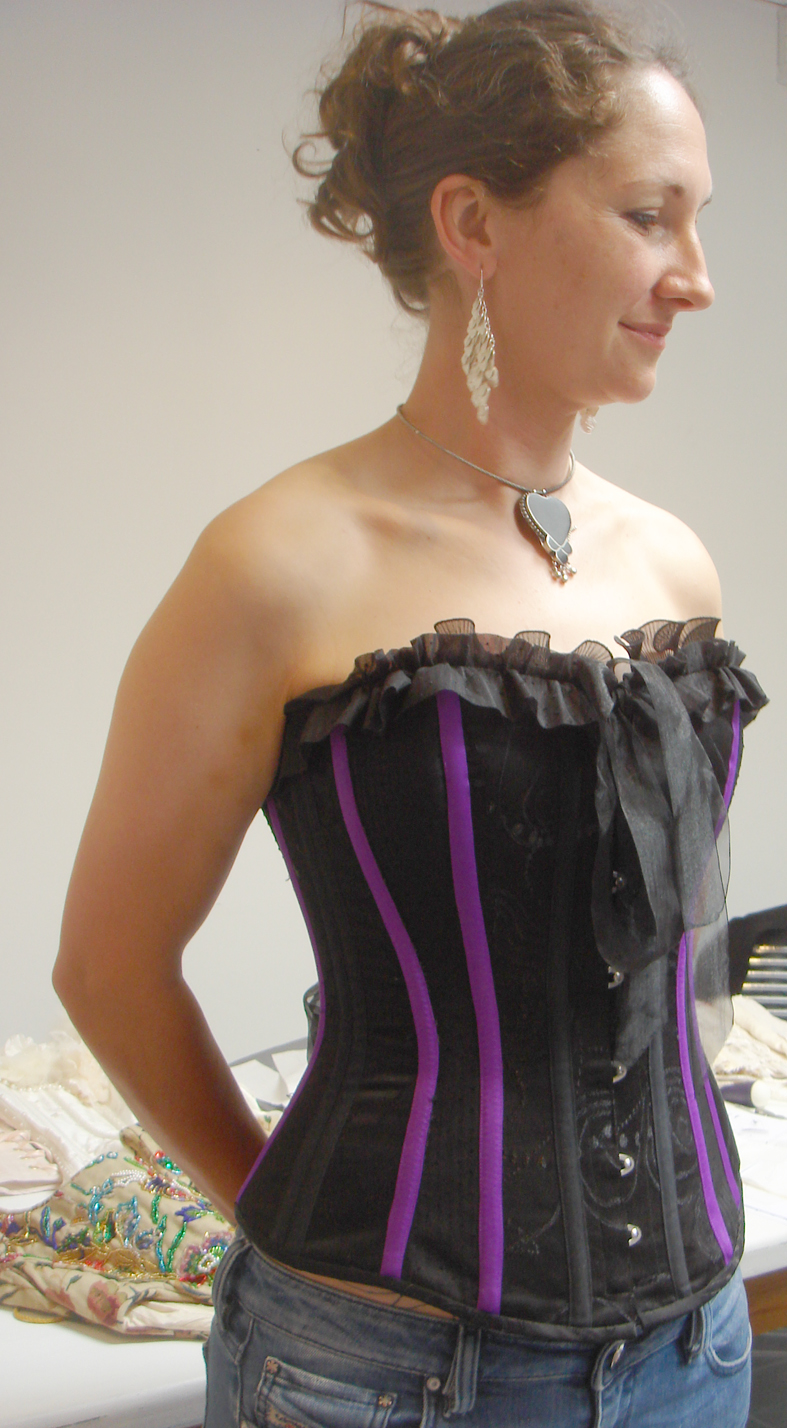
Corsets – restraint or repression?

New at Heart Space Studios – weekend lunchtime talks – about anything and everything textiles. We started with two ‘show and tell’ sessions, Lisa Keating ( who is conducting a 2 day corset making course – see Heart Space web site for further details) brought and talked about corset history, leading into her own designs and working samples; Jan Connett spoke about her own work using corsets as a metaphor for society’s age – old unreal expectations of feminine beauty.

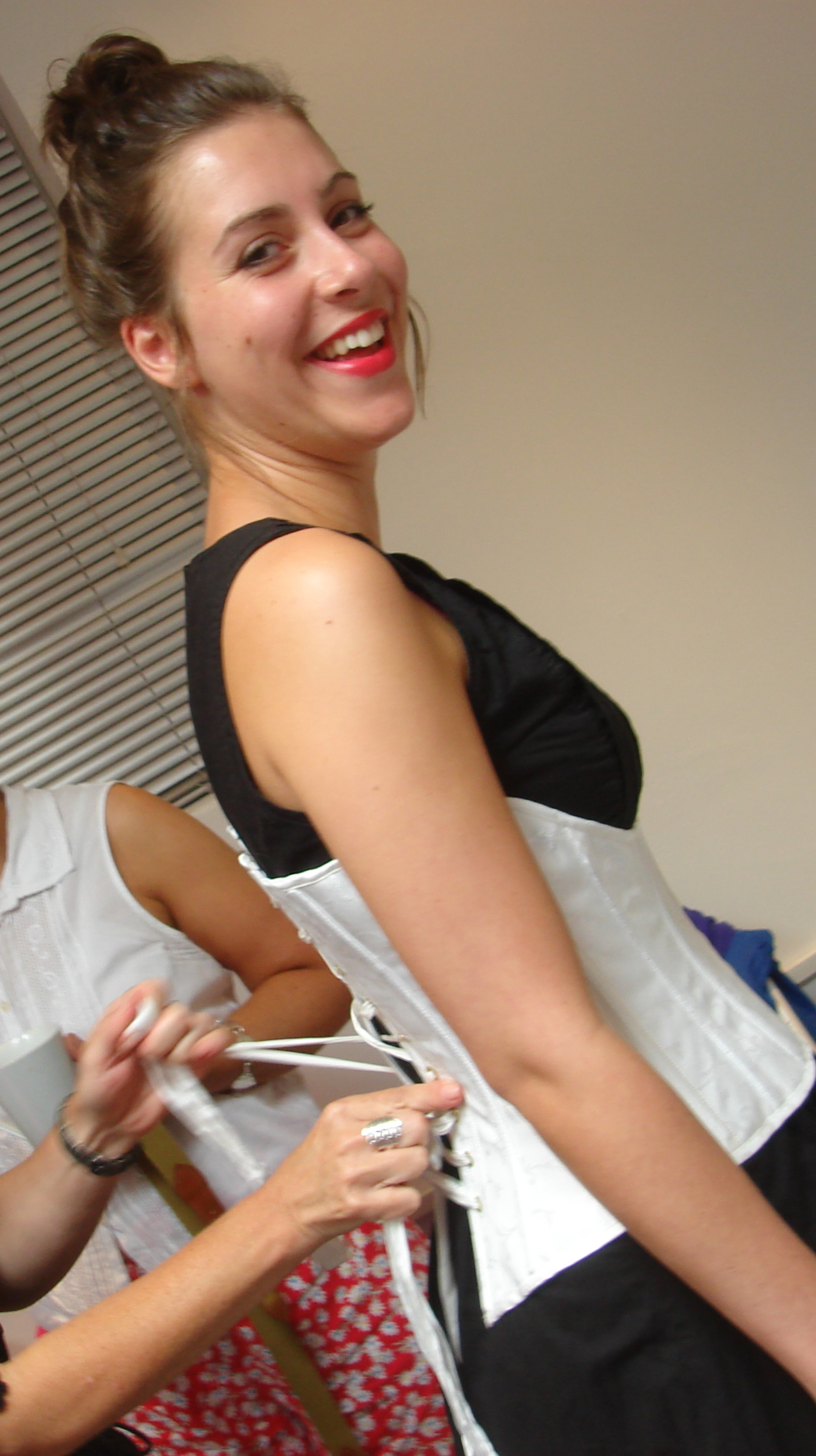
Lisa gave a demonstration of the way that the corset can be manipulated to squeeze the waist up to seven inches smaller, by means of two sets of separate ribbons at the back of the garment.

Michelle who regularly models for Lisa, reported that at each subsequent fitting she has been able able to get her waist to a smaller size.

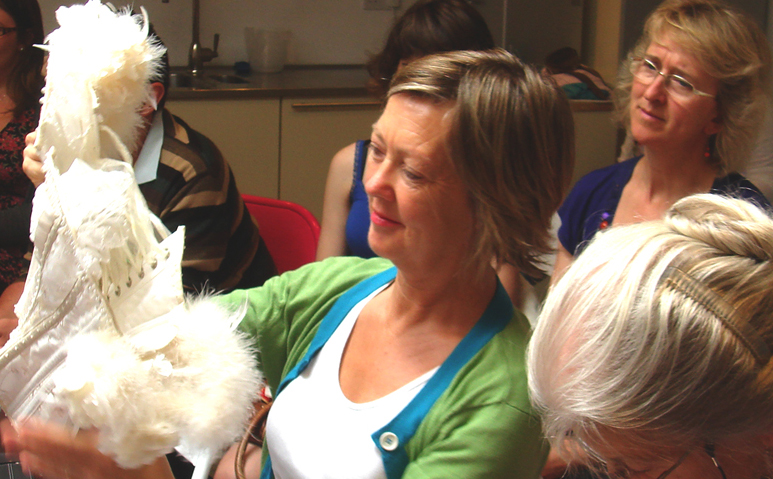
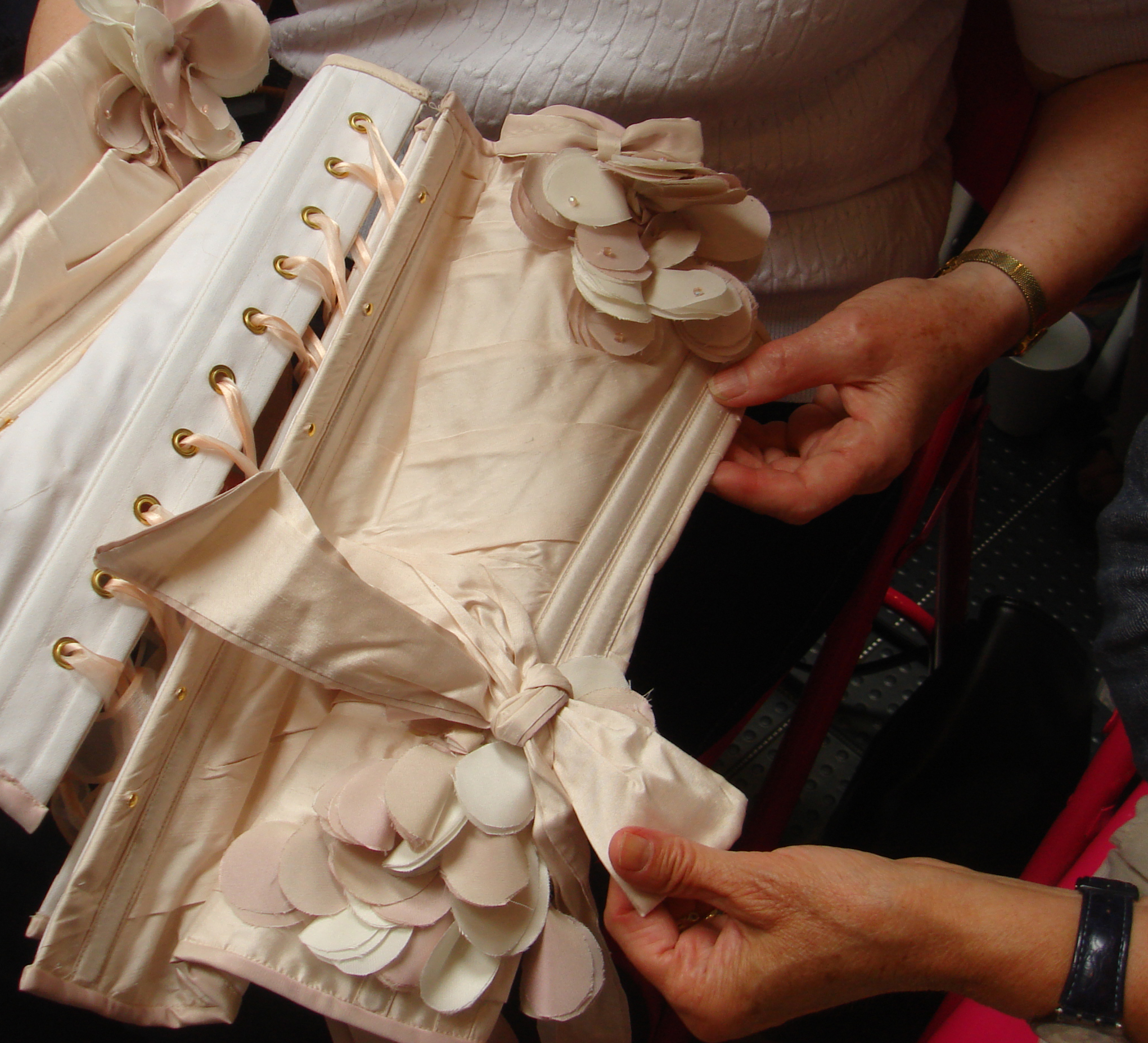
Feminists or not, we were all fascinated and when the samples were passed around the audience were able to really study the intricacies and refinement of the construction of these modern day “stays”.
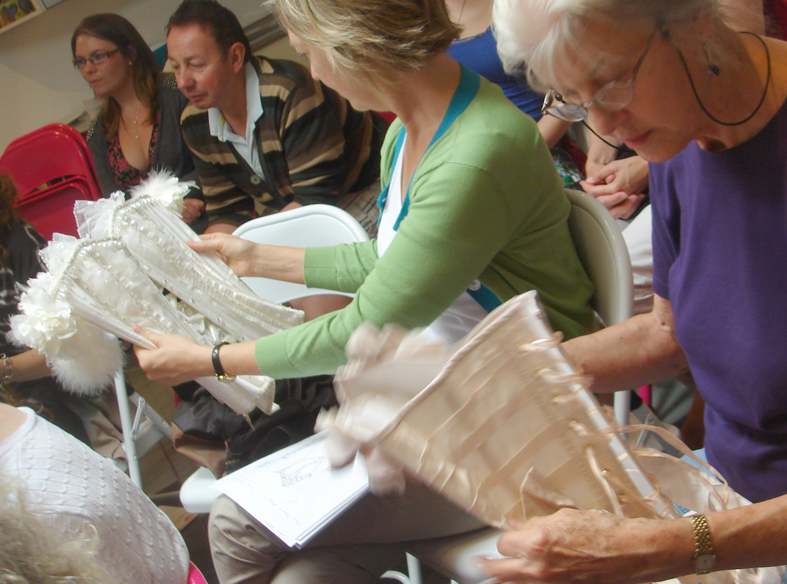
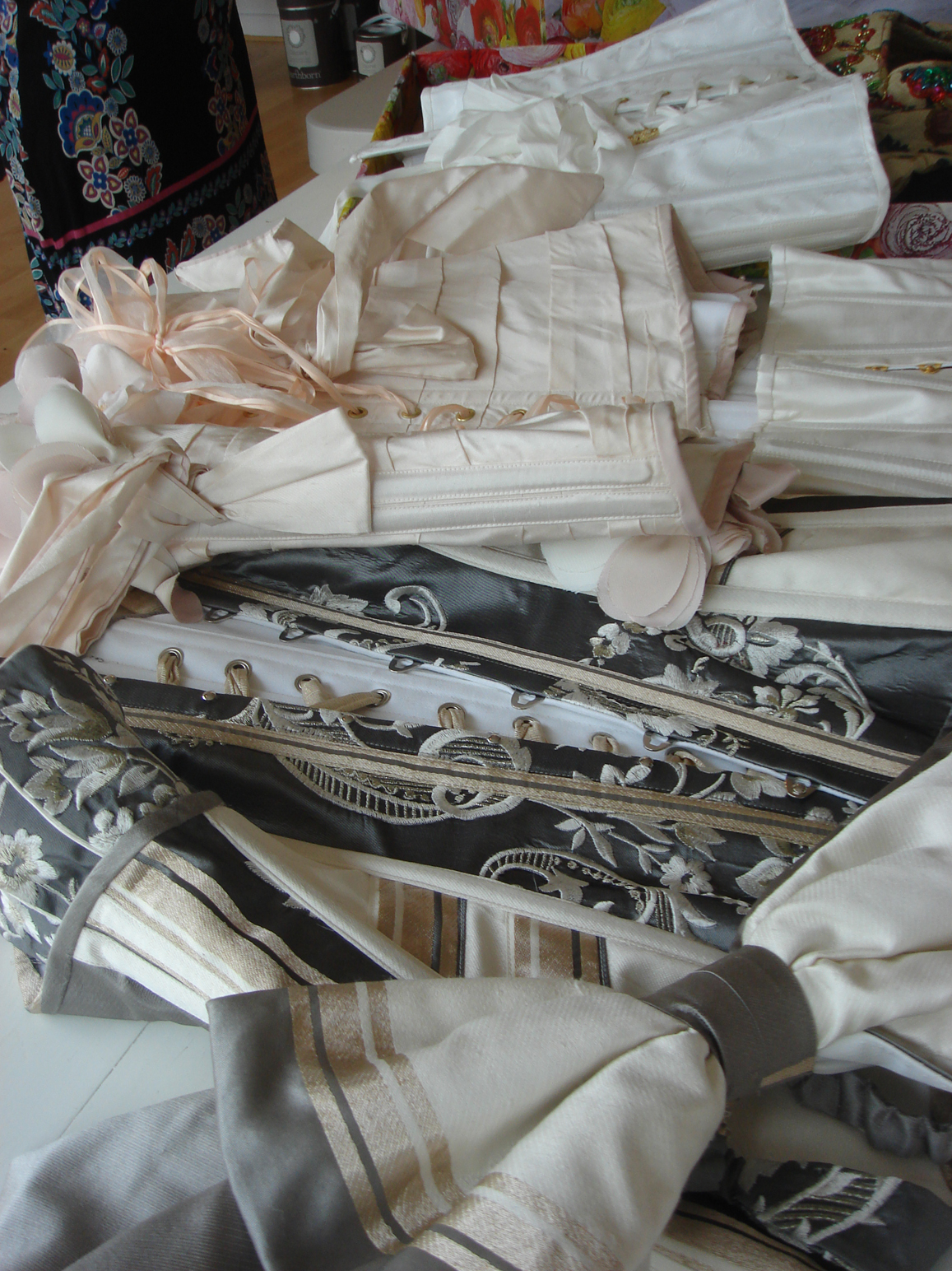
I like the idea of ‘reading’ a corset like an open book – see below – what stories would it tell?
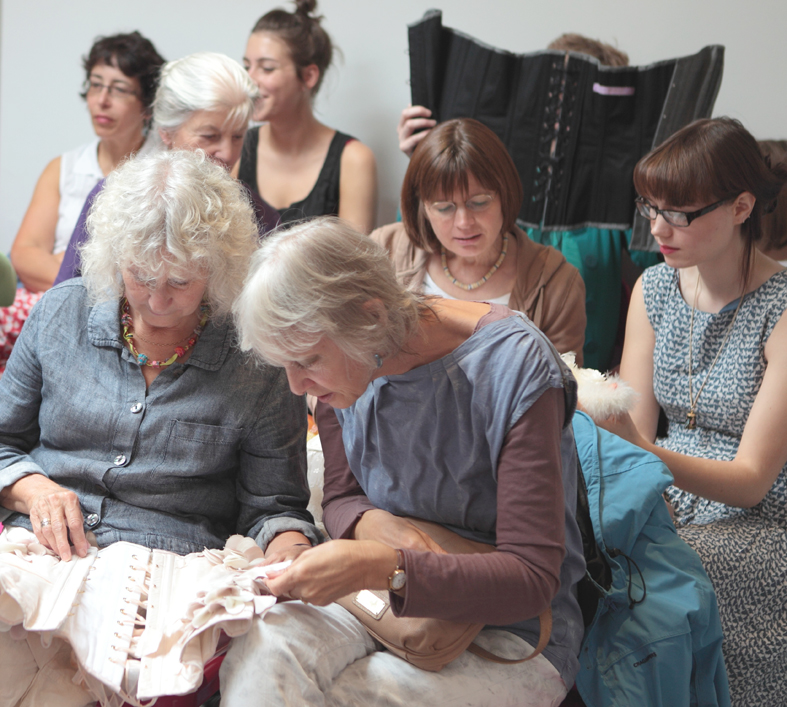
the workmanship was truly worth the examination
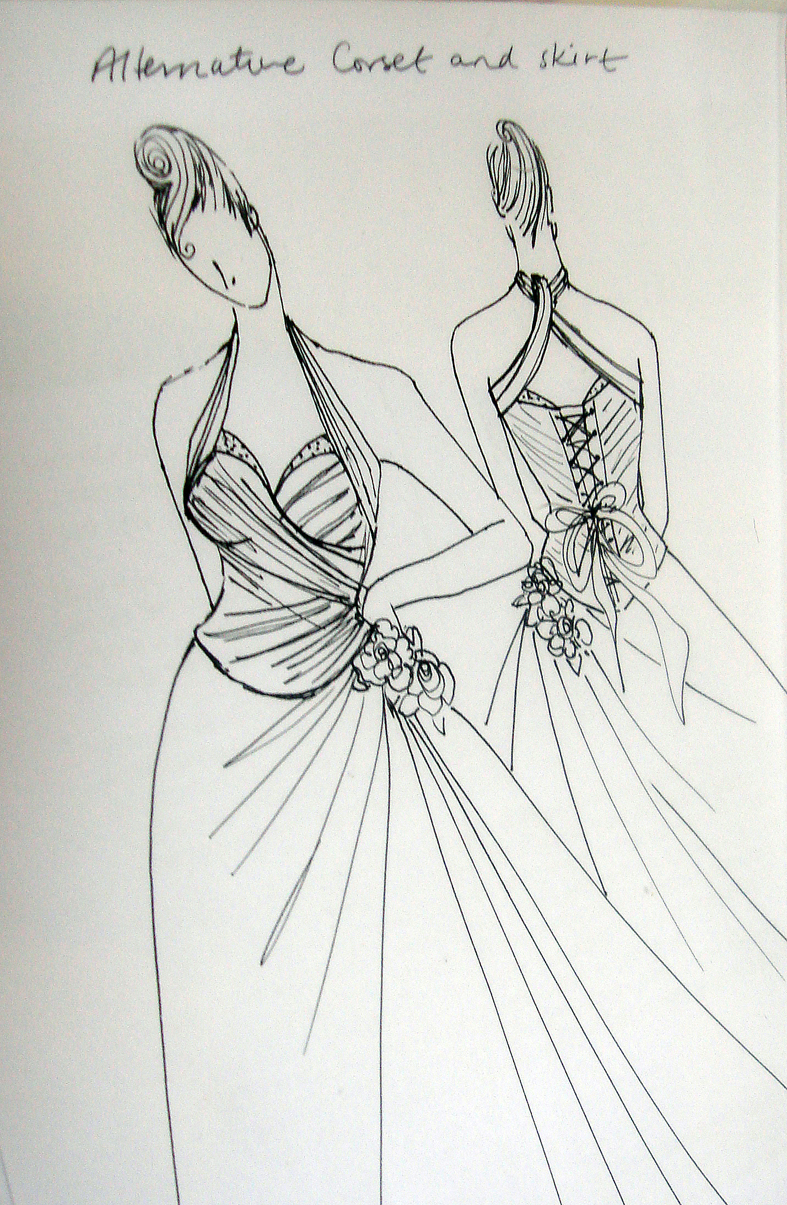
Lisa also passed around her design drawings of wedding and evening dresses that use the corset construction. I was reminded of my early career years as a fashion illustrator and decided I could include these techniques in my new drawing club at Heart Space.

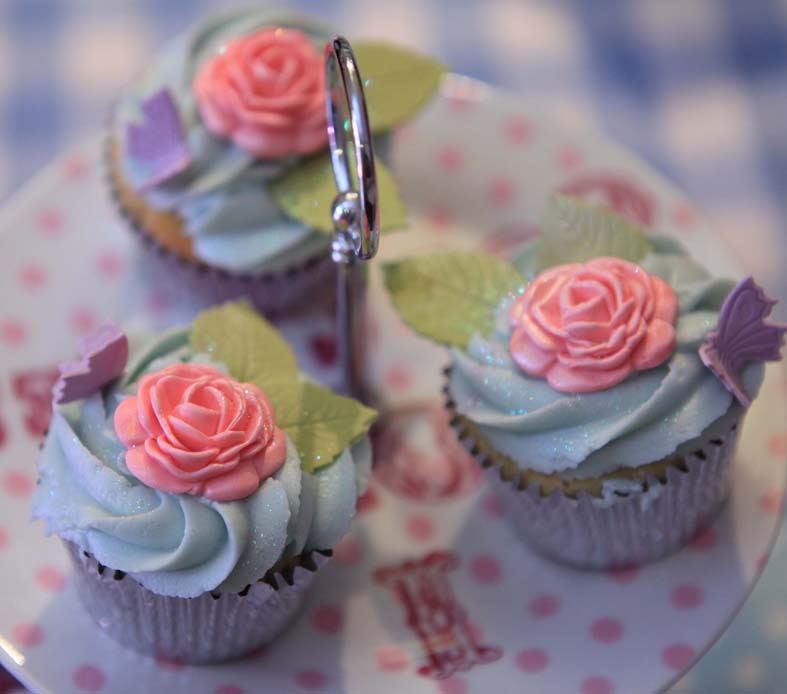
Before we went on to hear Jan Connett’s talk about her art works we broke off for tea and biscuits with cupcakes that were provided by a new company, Clifton Cake Couture, who are going to rent space in the studios to run their own cake decoration classes later in the year… these cakes taste as good as they look, we were lost for choice – they were the perfect accompaniment to the glamorous frivolous corsets.
And now for something completely different – Jan Connet’s corsets, these really made us sit up and think. Jan introduced her talk by saying how much she delighted in the frivolity of the corsets but how she now used them as a metaphor to make work questioning our whole attitude to women, in particular the obsession for overt sexuality embodied by the fascination in the display of the female body.
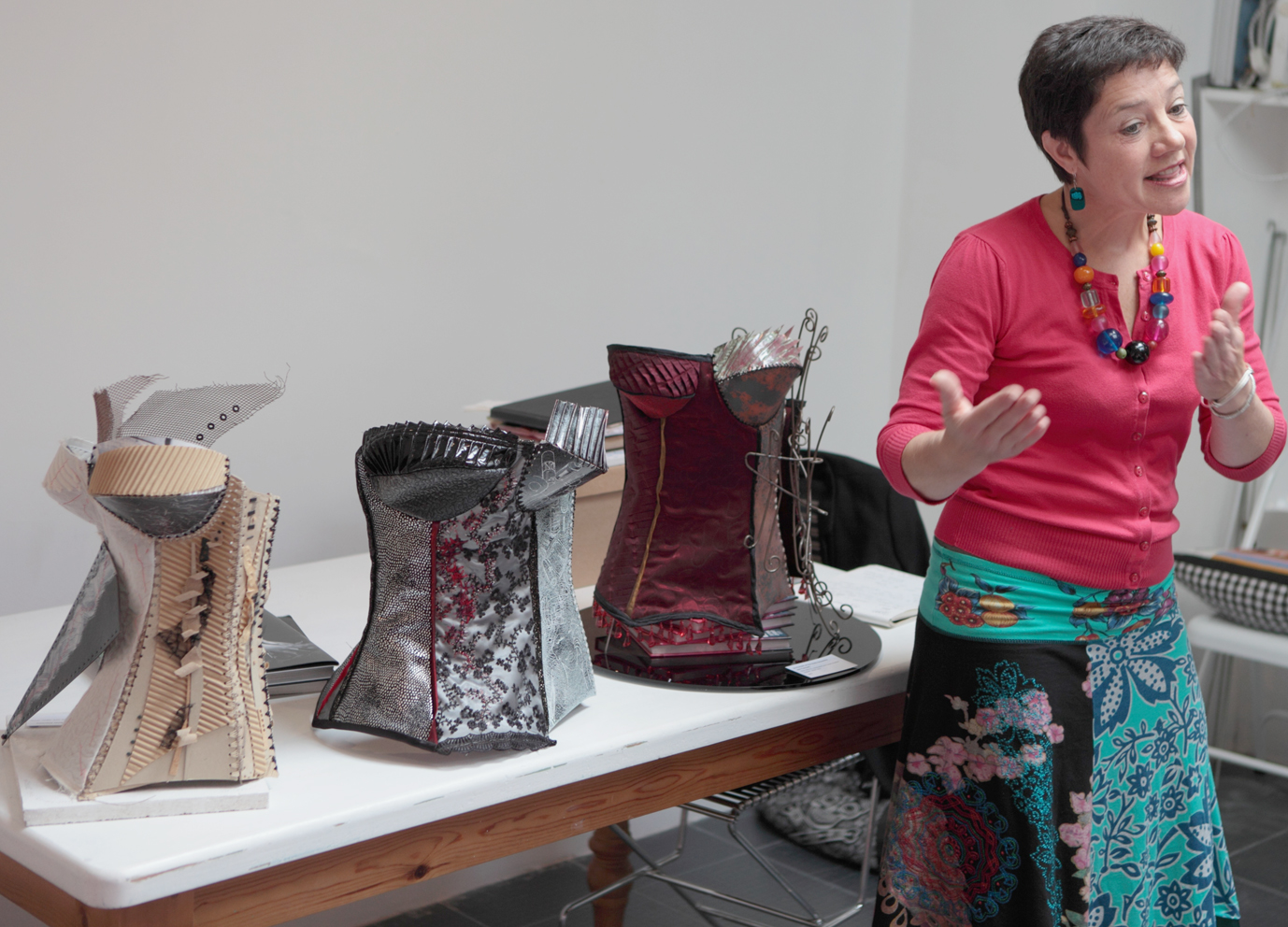
Jan talked about the tension between her choice of materials, metal, fibre, paper, reflecting the tension between her love of the object and the fact that it is a repressive and damaging garment when taken to extremes, both physically and metaphorically.
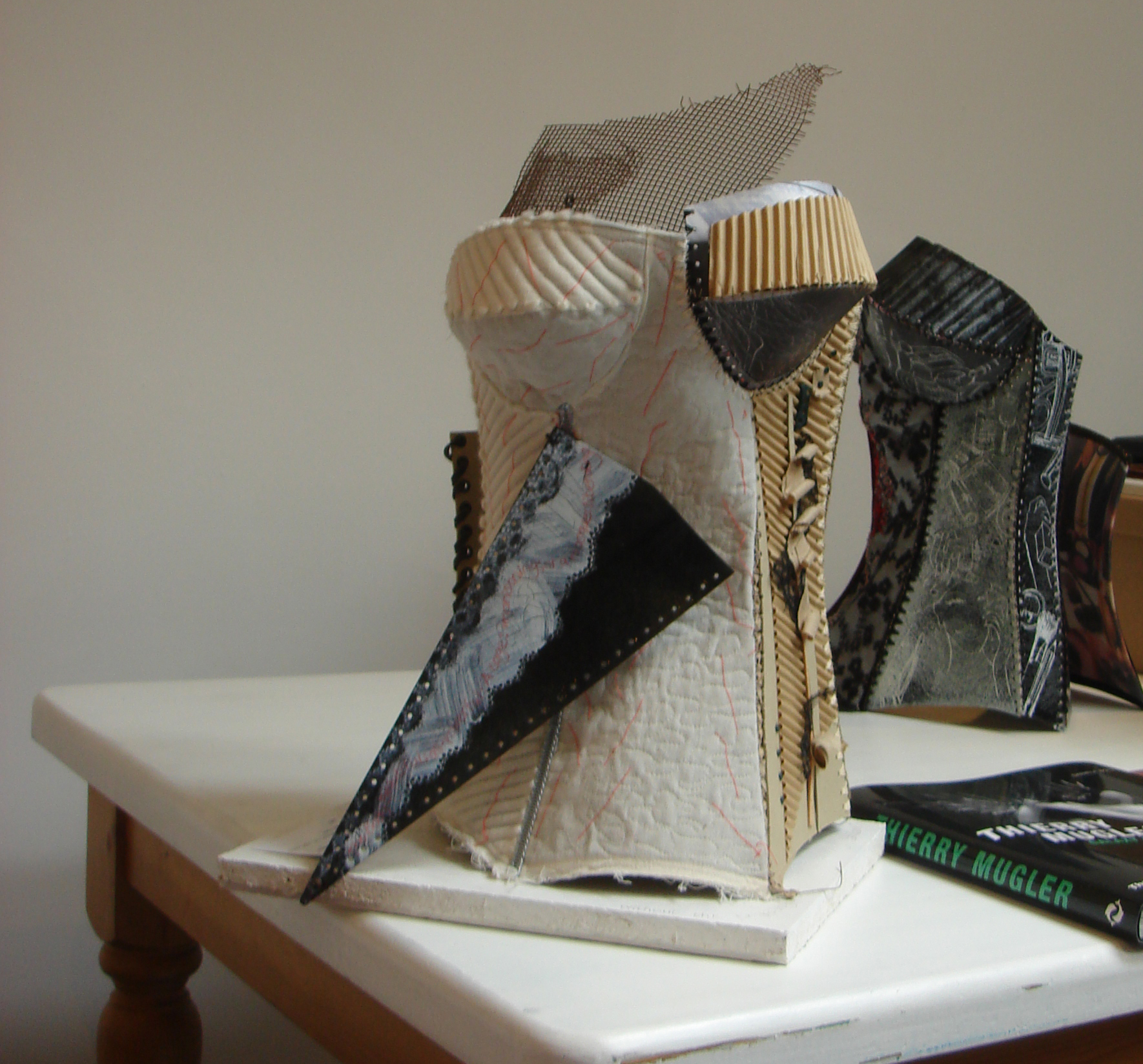
She told us of her research that had revealed that girls as young as 3 years of age are being diagnosed with anorexia nervosa – an affliction embedded in control of appetite to control the body’s appearance; of high street shops selling padded bras and pole dancing kits for for 7 year olds……but she also made us aware that we are all complicit in this. One of her works was called “Before I go out of the house” and showed how we all use make-up or fashion to bolster our own sense of self esteem before we allow ourselves to be seen in public.

Her new work is based on the Barbie doll, and she has several dolls ready to be incorporated in a new corset, which is in brilliant, shiny, sparkling, pink fabrics – again the duality that textile affords is apparent, we can delight in the colour and frivolity of the fabrics and forms but they set up the perfect trap of making us feel slightly guilty for being so easily  attracted by the surface – but this heightens the personal questioning that comes with the realisation that not everything is what it seems to be.

I was truly delighted by the talks;  the audience also liked the 2 opposing but complementary points of view, we had happily laughed at the extremes of earlier fashions in Lisa’s talk but were shocked by Jan’s revelations about the current generation’s obsession with young female bodies. This is where textiles interest me most, after I have enjoyed the surfaces  there is a  wealth of material to express views, ideas and arguments; most people have an innate understanding of fabric – it surrounds and sustains us from cradle to grave – so for me it has become the perfect media to work in.

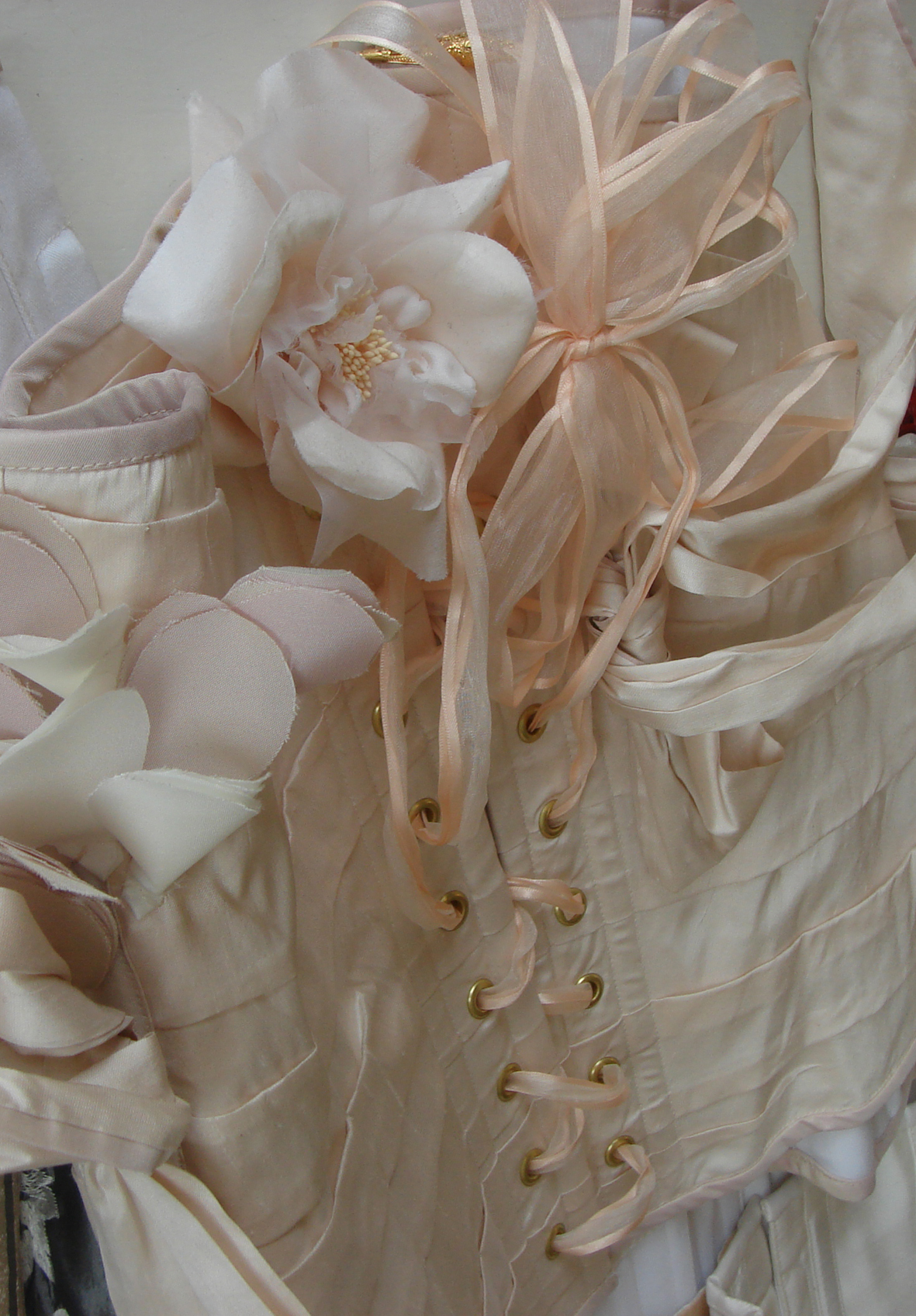
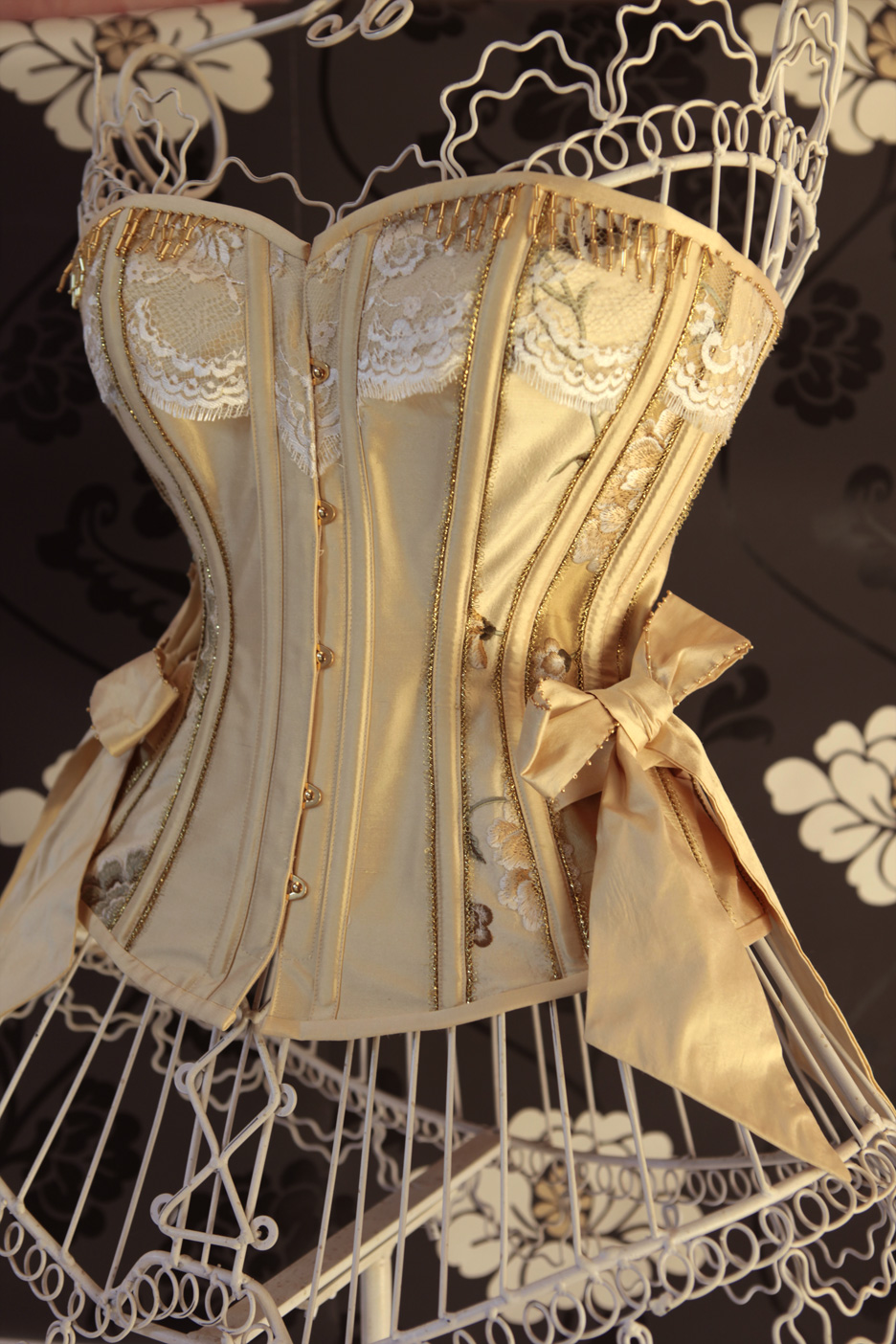
I am leaving you with 2 images that perfectly show the allure of present day corsets…
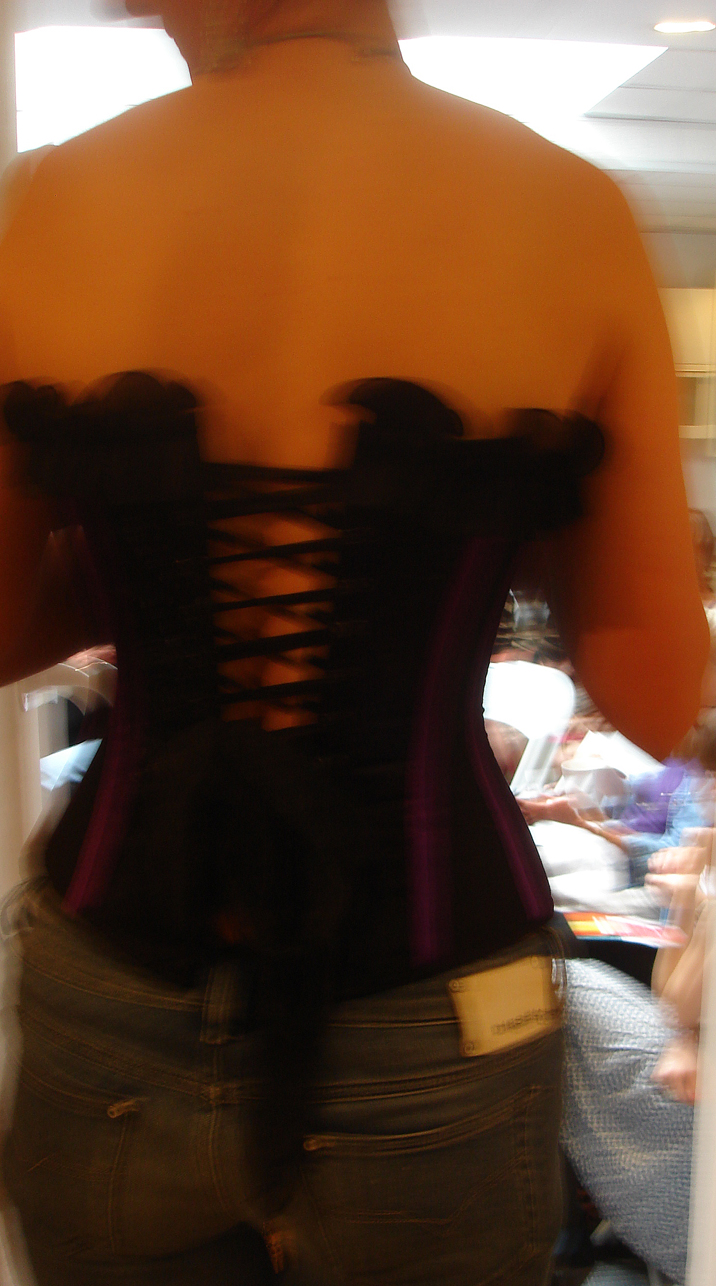
and this blurred but evocative image of Michelle, could be a Renoir or a Tissot…….except for the denims.
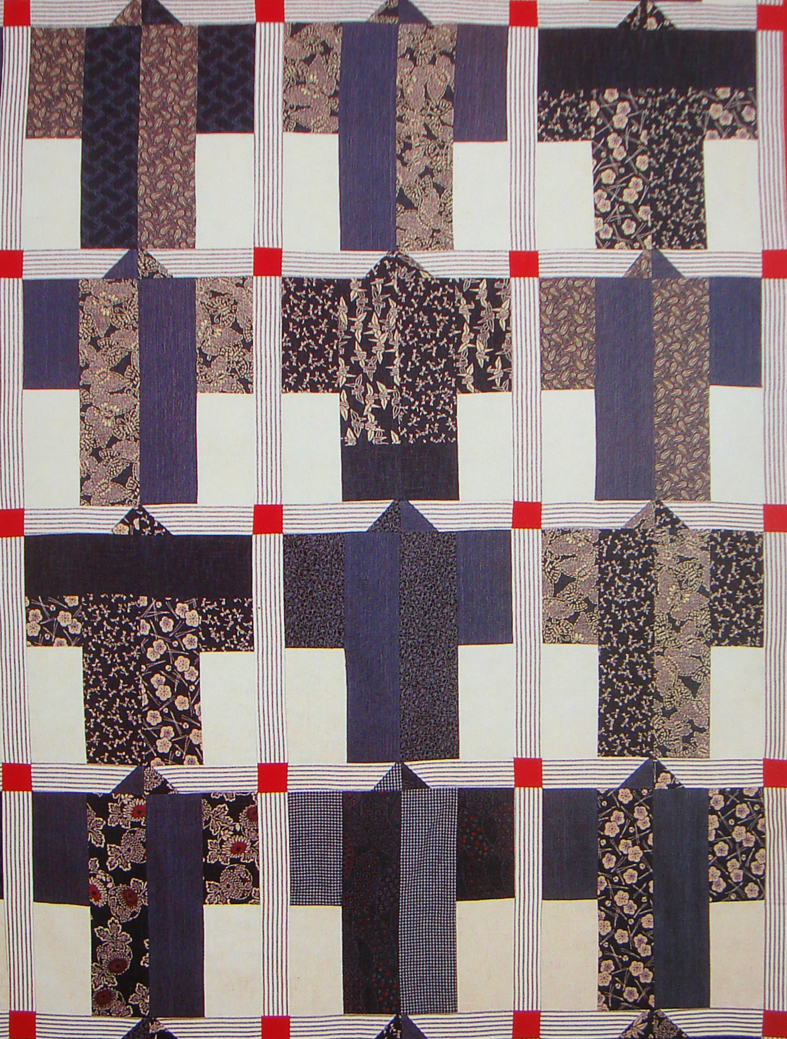
More Kimonos – drawing and embroidery

Since my last post I have been immersed in Kimonos. I have rediscovered my early fascination for these wonderful garments; wonderful to me because they are the perfect fusion of textile and clothing. Hang them on a stand or against a wall and they work as strongly shaped art pieces – wear them and they both reveal and conceal themselves and the wearer, the patterns undulating across the body in slow movements – hard to run in a kimono.
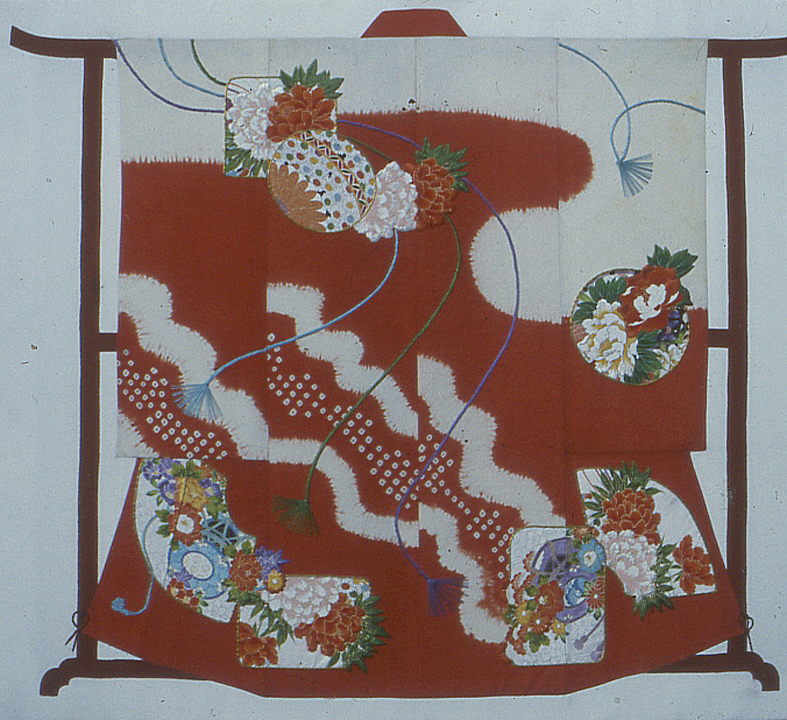
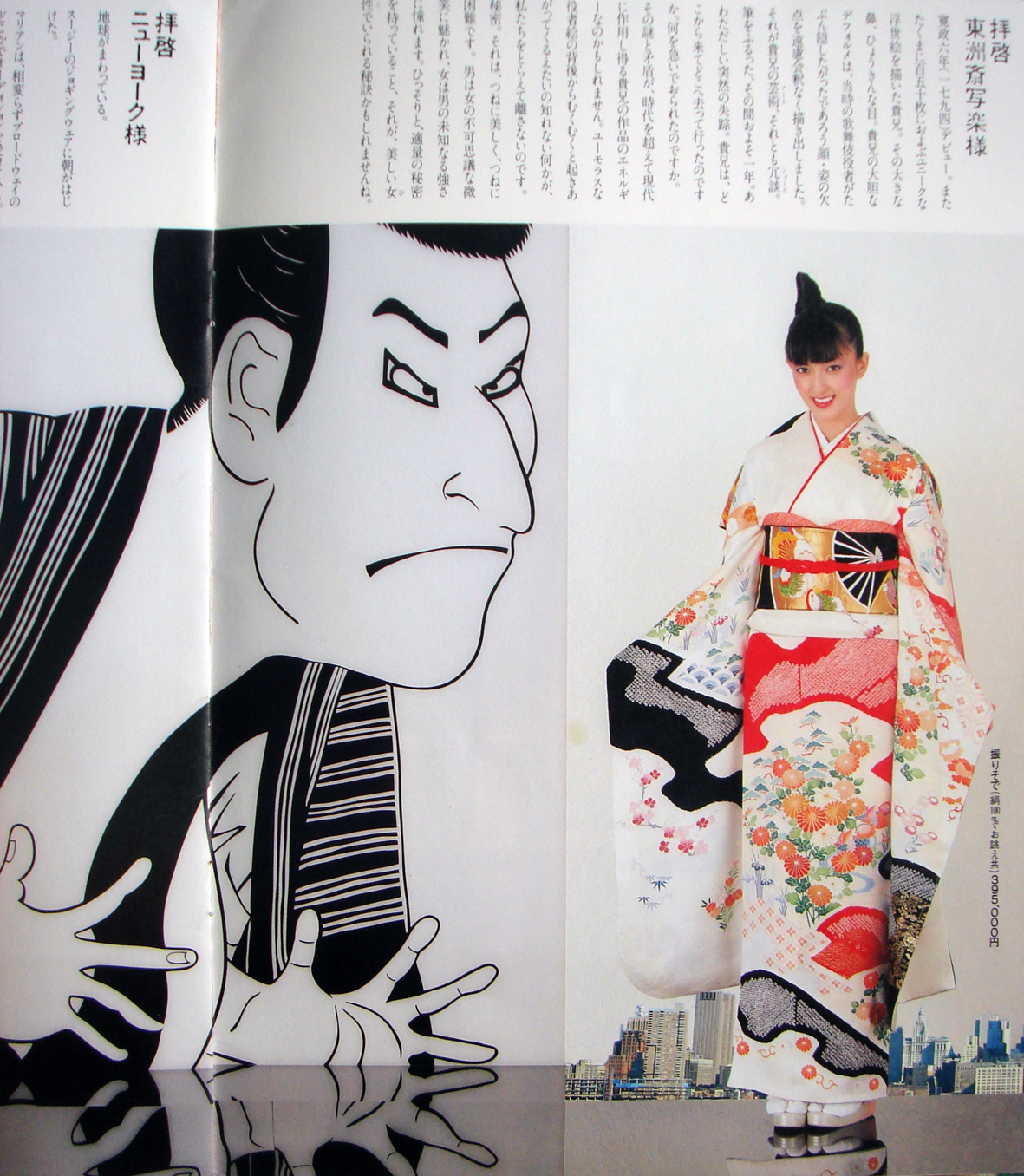
I have been searching through my records for my Japanese inspired embroidery slides. I had an exhibition on my return and showed embroideries, drawings and screen prints evolved from my hundreds of photographs and the day book drawings. Above is a neighbour’s child in her typical young girls’ red and white kimono. Japanese clothing has strict colour and pattern codes, they could not tell my age because I wore such a divergent range of clothes in different colours. I liked the way colours were described –  purples and deep blues are said to be Noble.

silk embroidered panel appliqued with traditional fabrics and my only successful attempt at shibori – the red ground of the kimono

However the fabrics I was attracted to were the brilliant silks in reds, pinks, yellows and gold, these glamorous fabrics were what I had come to see and tried to emulate..

This was hard as I had many techniques to master and I only had 5 weeks to assimilate the information…each Japanese textile apprentice takes 7 years to perfect their skill in one technique.

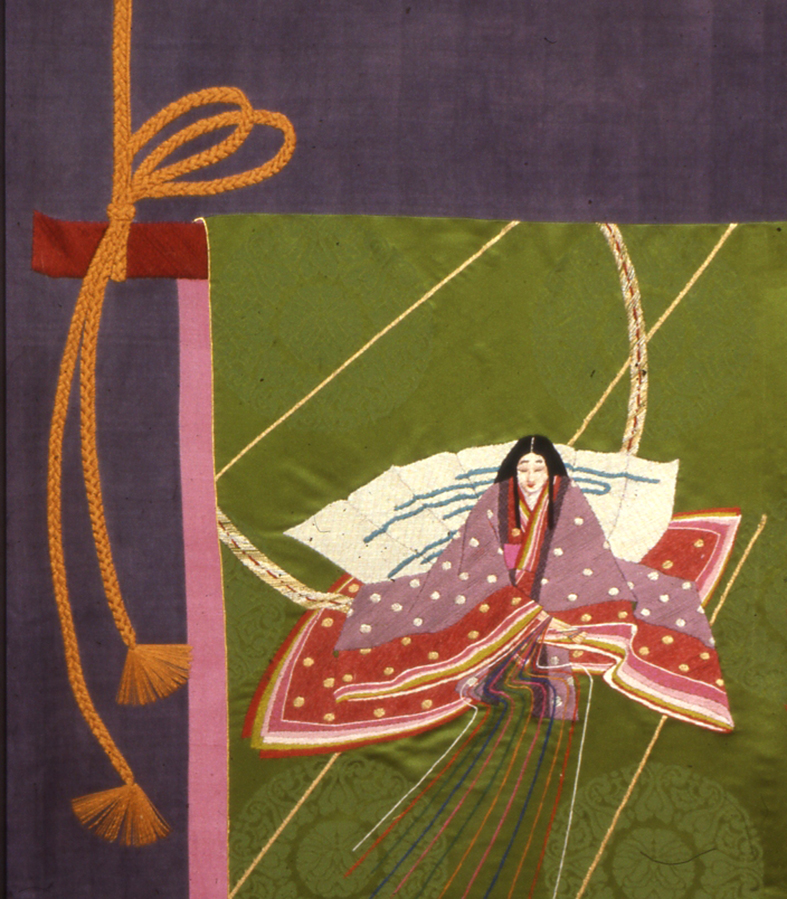
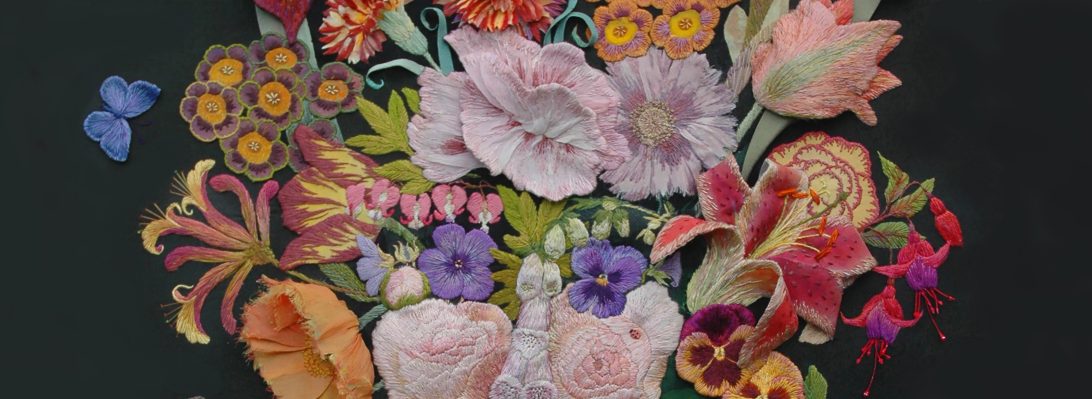
The only technique I came near to getting to grips with and which has stayed with me was silk embroidery in long and short stitch – see the Flora embroideries – and also I usually applique most of my embroideries together to make larger works out of different pieces of worked fabrics, this developed out of sheer necessity as I could never sustain any of the techniques to make more than a small sample.

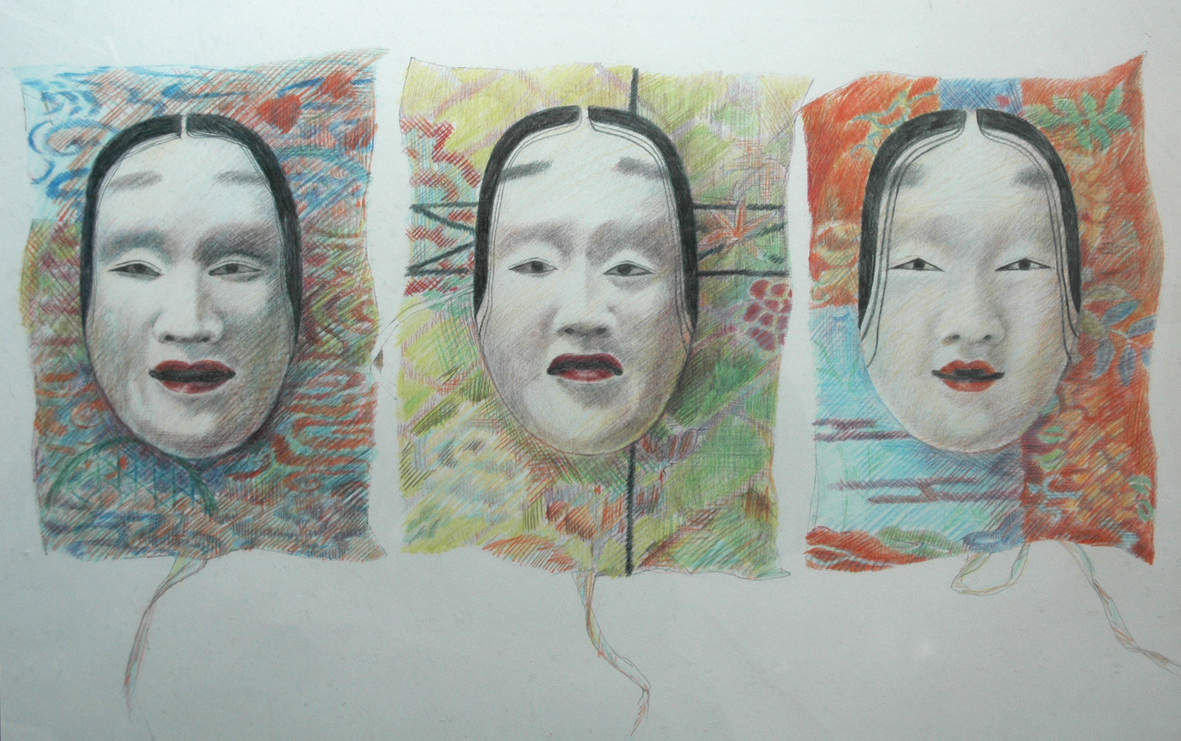
However what the precise and perfectly placed stitches of Japanese embroidery enabled me to do was to stitch lively and nuanced versions of my drawings…and I am surprised now looking at this old work how my drawings did not change but my embroideries did. Check out the early sketch book drawing of the little girl in the red kimono at the top of the post and this later drawing for exhibition on my return. They are essentially drawn and coloured in the same way, crayoned first with defining pencilled lines, I still draw like this today and not surprisingly my handwriting is exactly the same.

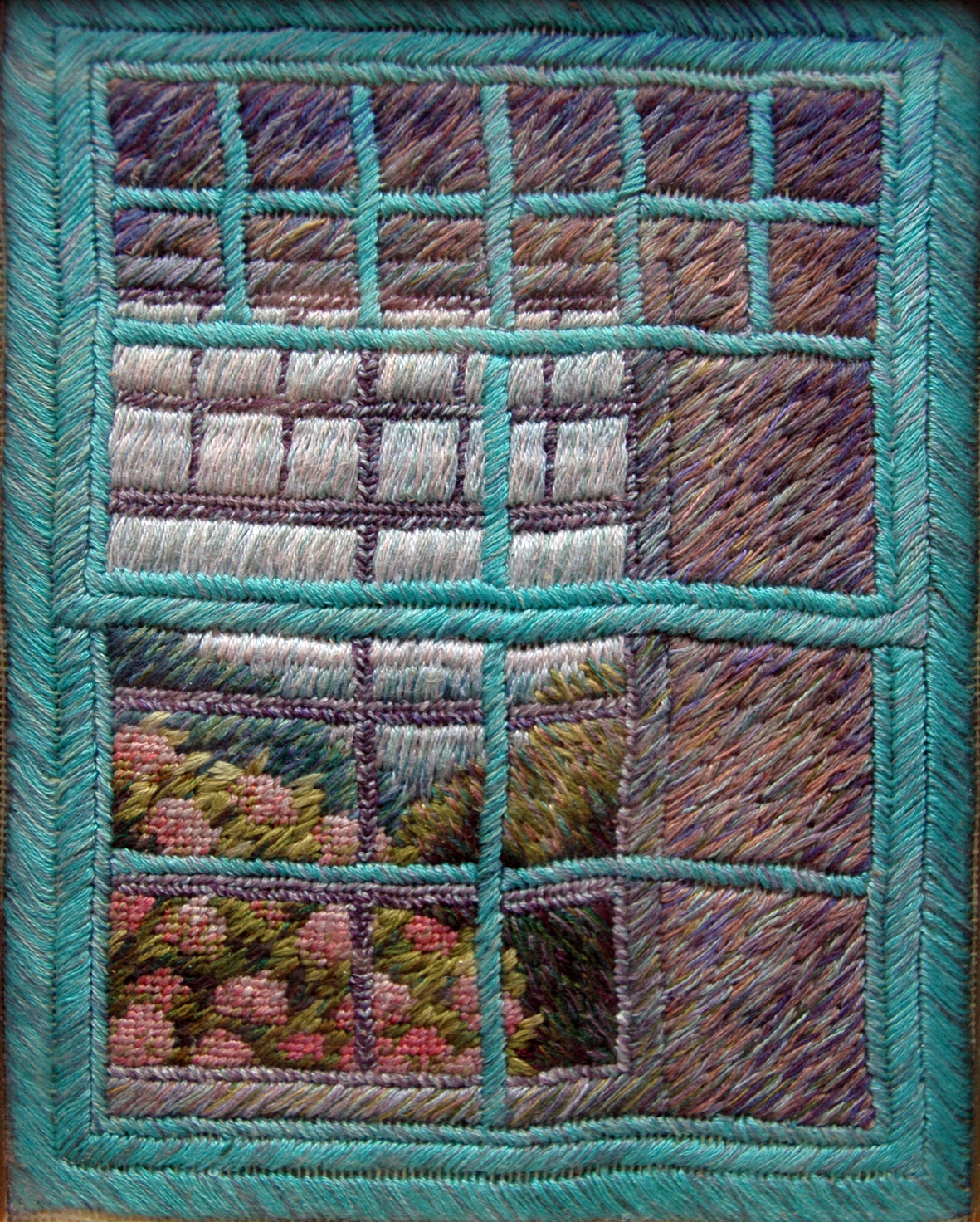
Now look at the early canvas embroidery just prior to my visit. Here is my small scale, densely stitched canvas, enclosed space, rigid structures and very heavy stitching.

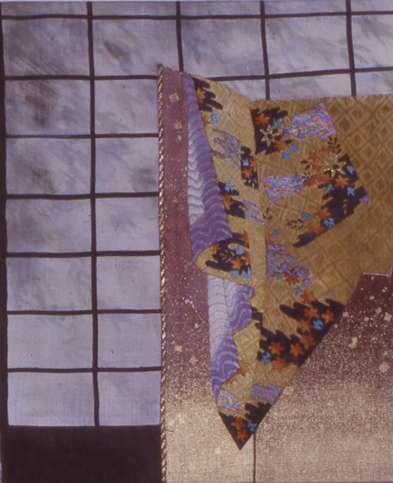
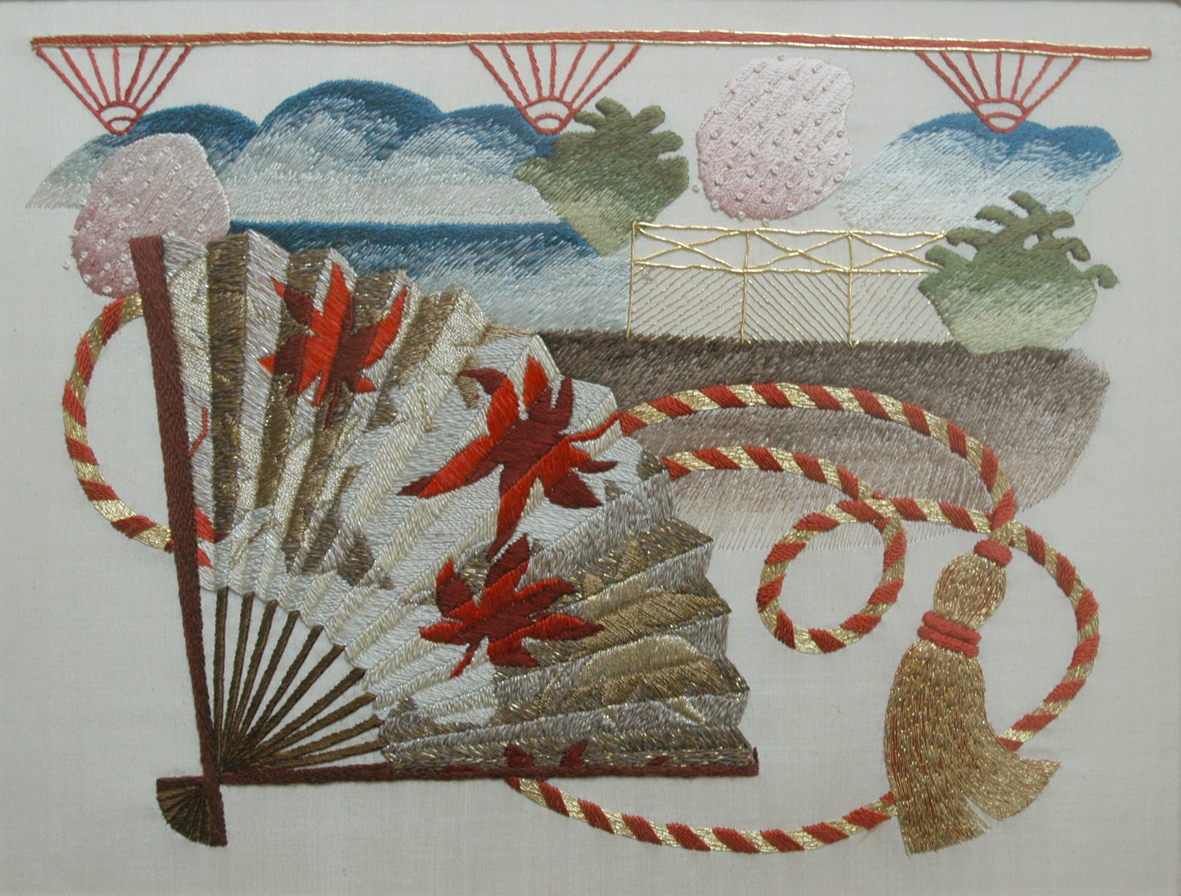
Yes it’s still solid stitching but look at the space and movement and white exposed ground on my first embroidery on my return, below and it is 4 times the size of the canvas embroidery…..

my scale, techniques and sense of space completely altered and suddenly nothing is centred…..it is flying around

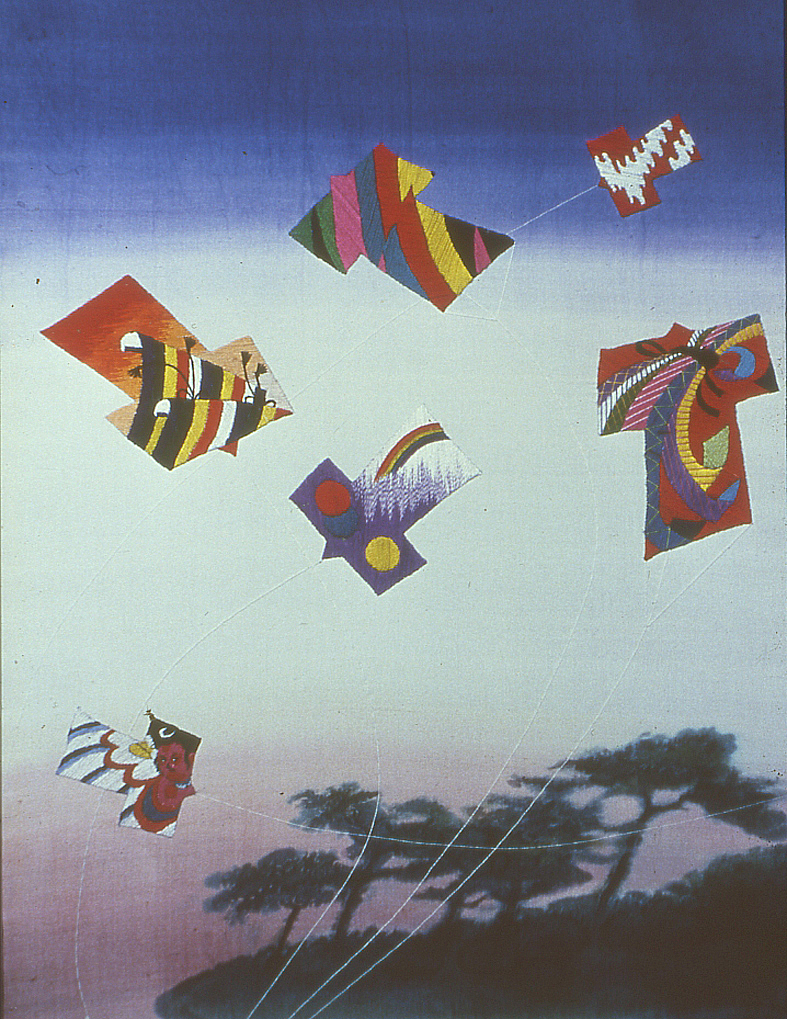
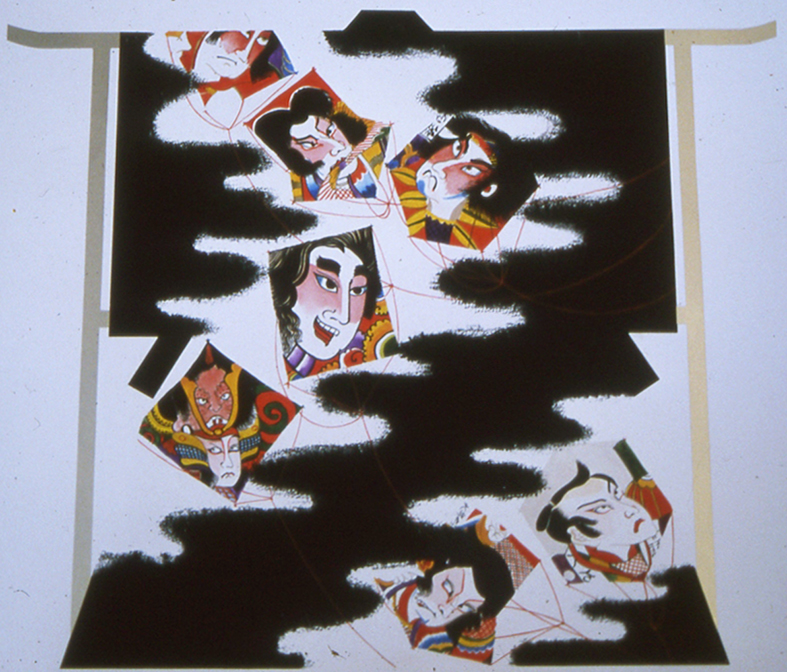
Even on the large variable edition silk screen prints of kimono on stands, the Kabuki kites are whirling around

The next kimono post will get me back to the present ideas for the workshops at Heart Space Studios. But because of writing and researching for the blog, things have changed from what I first imagined I would teach …but that’s what ‘Re-Searching’ does for you – takes you further than your first thought into territories new and uncharted.

Kimono Classes – early research drawings

I have been researching a new course to run at Heart Space Studios for the autumn and winter months – making a kimono, well a shortened version of one really – more of a jacket but using several techniques found in traditional kimono. Many years ago, I visited Japan on a Royal Society of Arts bursary to study kimono design; my way of seeing the world was never quite the same again and my textiles changed radically. I adapted several of the dyeing, stencilling and embroidery techniques for my own work but I never made an actual kimono.

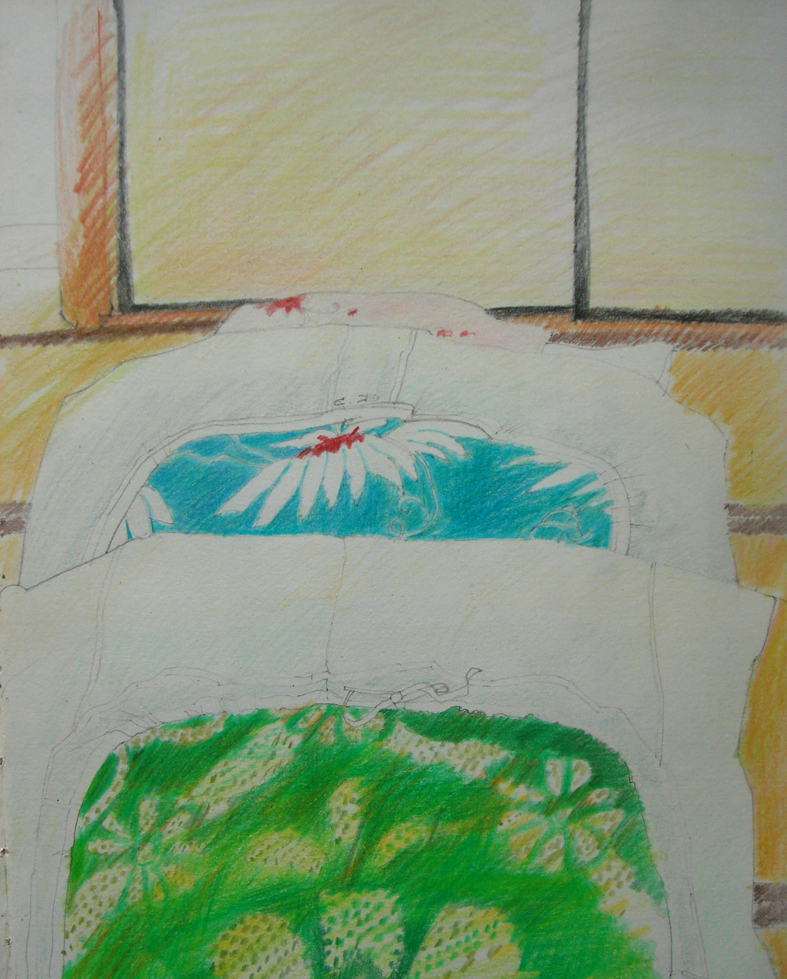
my freshly made bed

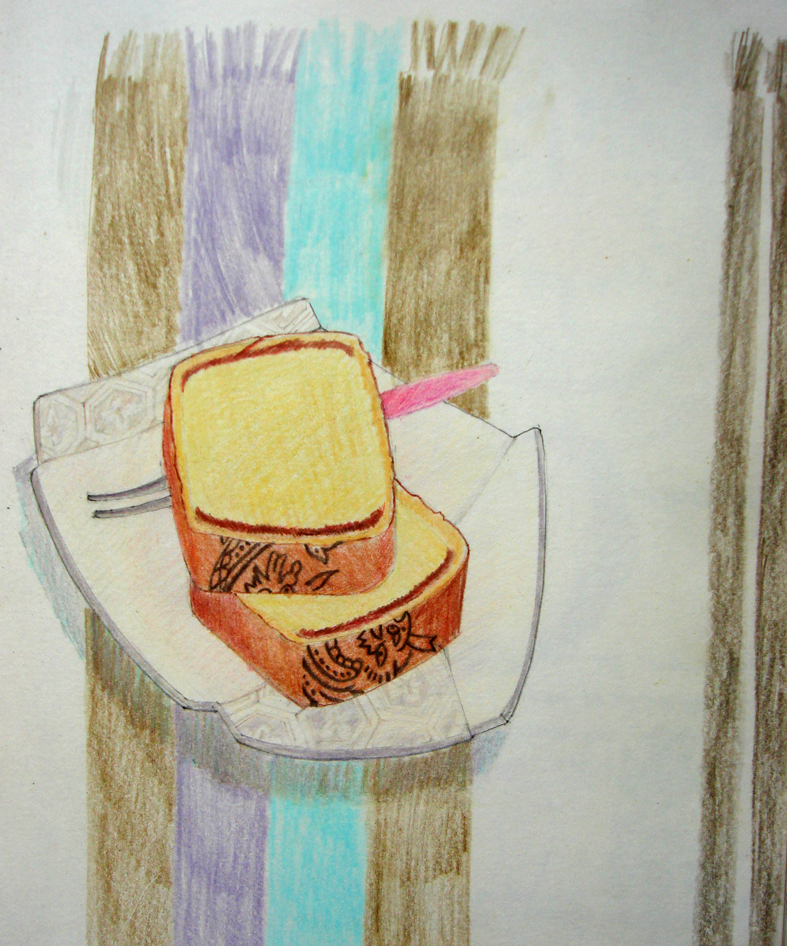
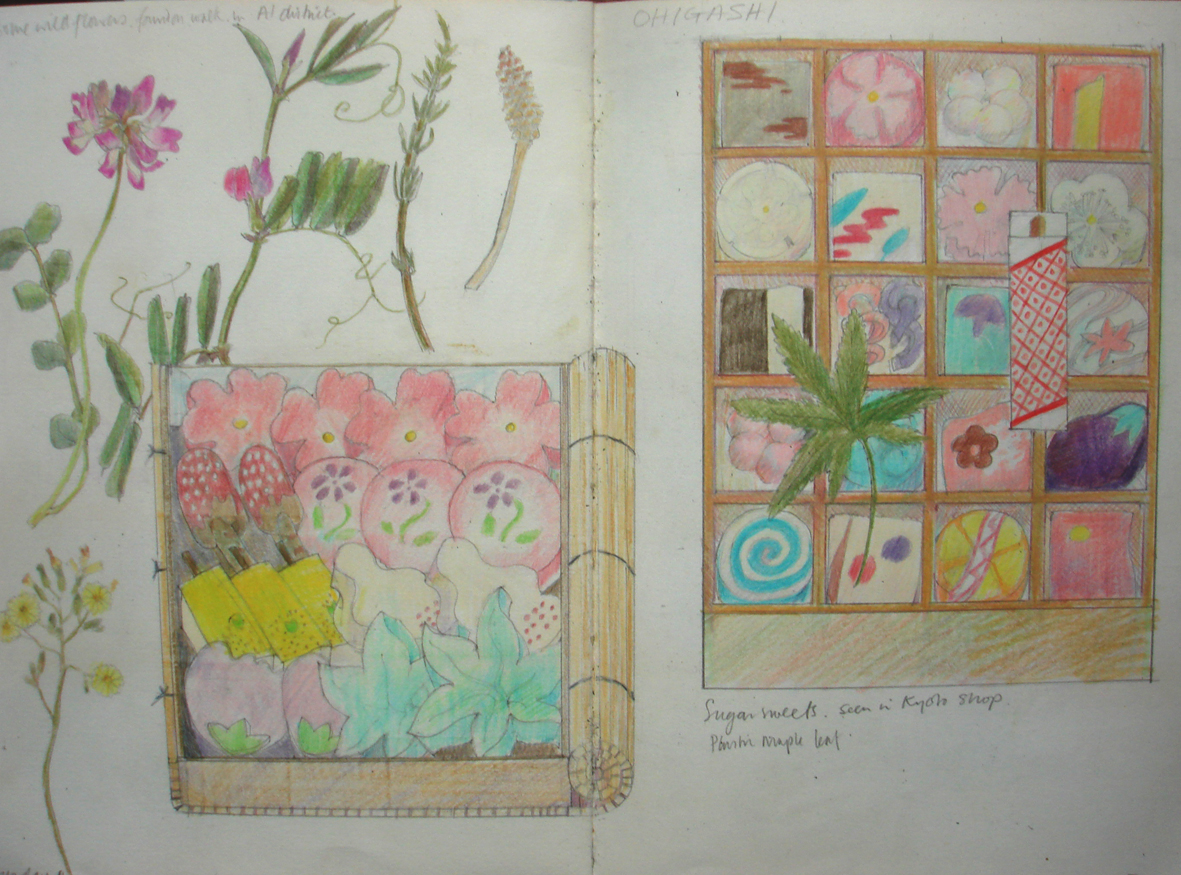
From the start of my stay, with a Japanese family of  Atsuko and Sumio Morimoto  in Osaka, I was aware of the wealth and variety of textiles everywhere. I was lucky to live with this family as Atsuko’s mother, Fusako Kubo, was the historian of the Japanese royal family’s costume collection. I decided to keep a day book, drawing whatever was interesting and novel – so the first night I drew my bed, after I had been instructed how to make up my futon  – which by day lived in a cupboard behind shoji screens in my room. However, looking now through the sketch book, which became the main reference source for my subsequent embroidery, screen print and drawing exhibition, A View of Japan, at the Francis Kyle Galley in London, I seem to be obsessed by the food.

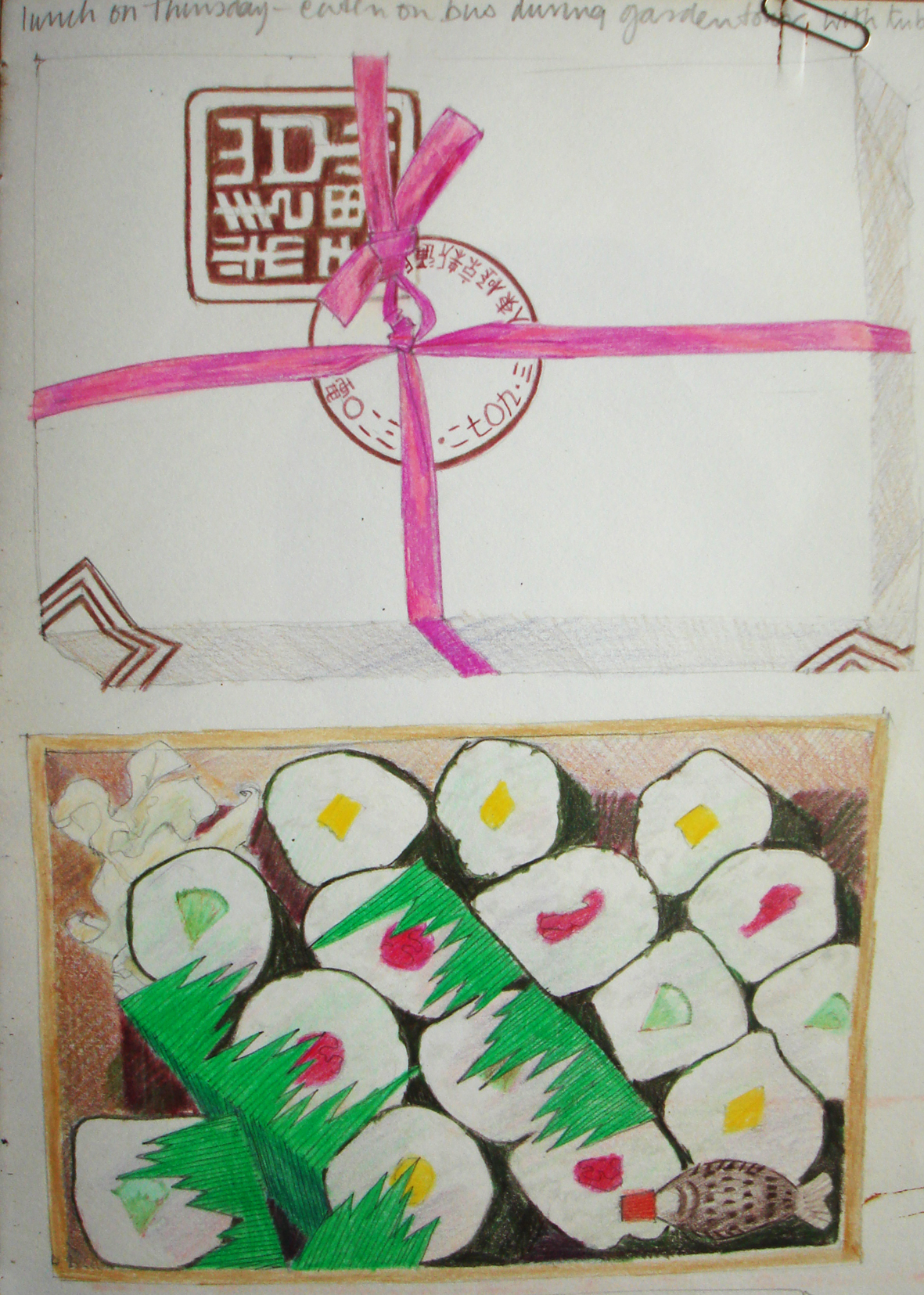
Everywhere, everything I was ever served to eat was a visual delight, which more than made up for the fact that I first found the food bland and boring to eat; everything looked so -well – Japanese!

I eventually got to like some of the food, particularly the lunch boxes of Sushi…now a regular food everywhere – but in 1981 I had never seen a roll of rice and fish and seaweed before.

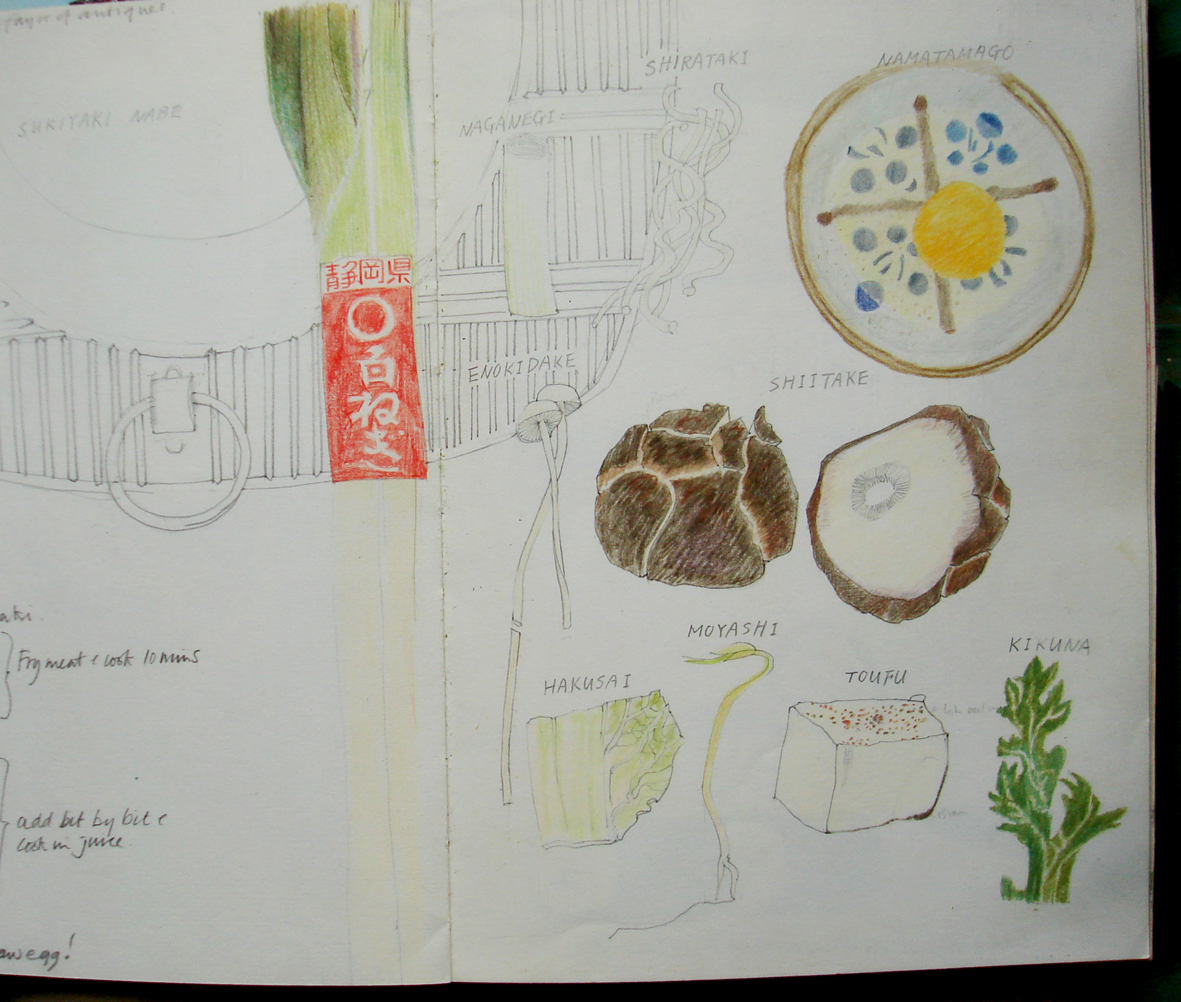
When my Japanese family saw my drawing they thought I could write and therefor speak Japanese, and when later that evening I drew the recipe for Tempura, they were sure I was fooling them with my non existent Japanese vocabulary… I began to see the difference of the Western style of drawing and the Eastern ways of seeing and recording.

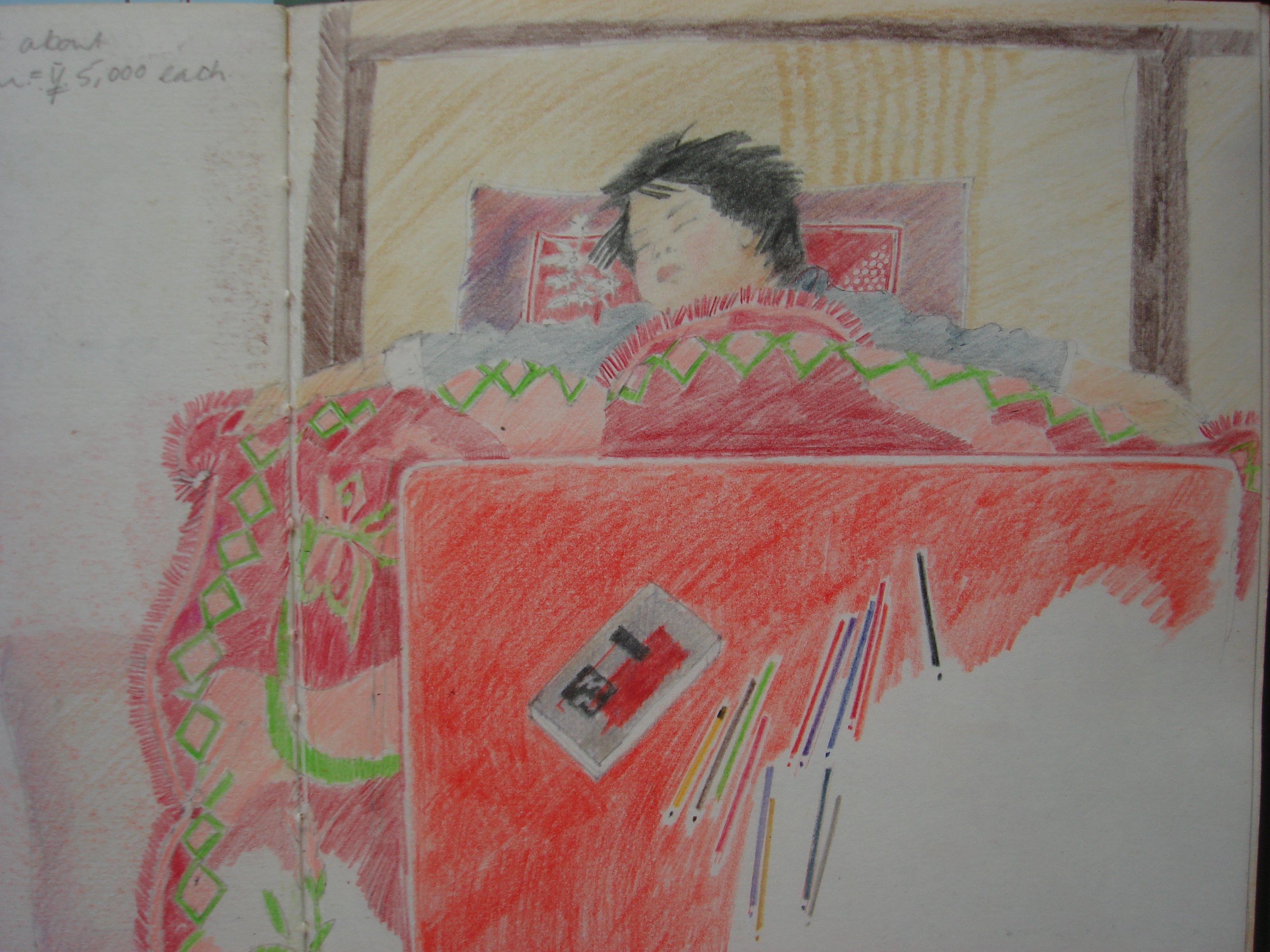
They simply could not understand that I could perfectly copy the label for the leeks and not be able to read it. And when I drew their daughter Kyoko asleep under the table and it LOOKED just like her, they thought I was an artistic genius. I tried to explain the difference between the Western art education – educating the individual to draw directly from life as opposed to the traditional Eastern way,  learn from a master the key symbols for each item and emotion……

Kyoko asleep under the heated table

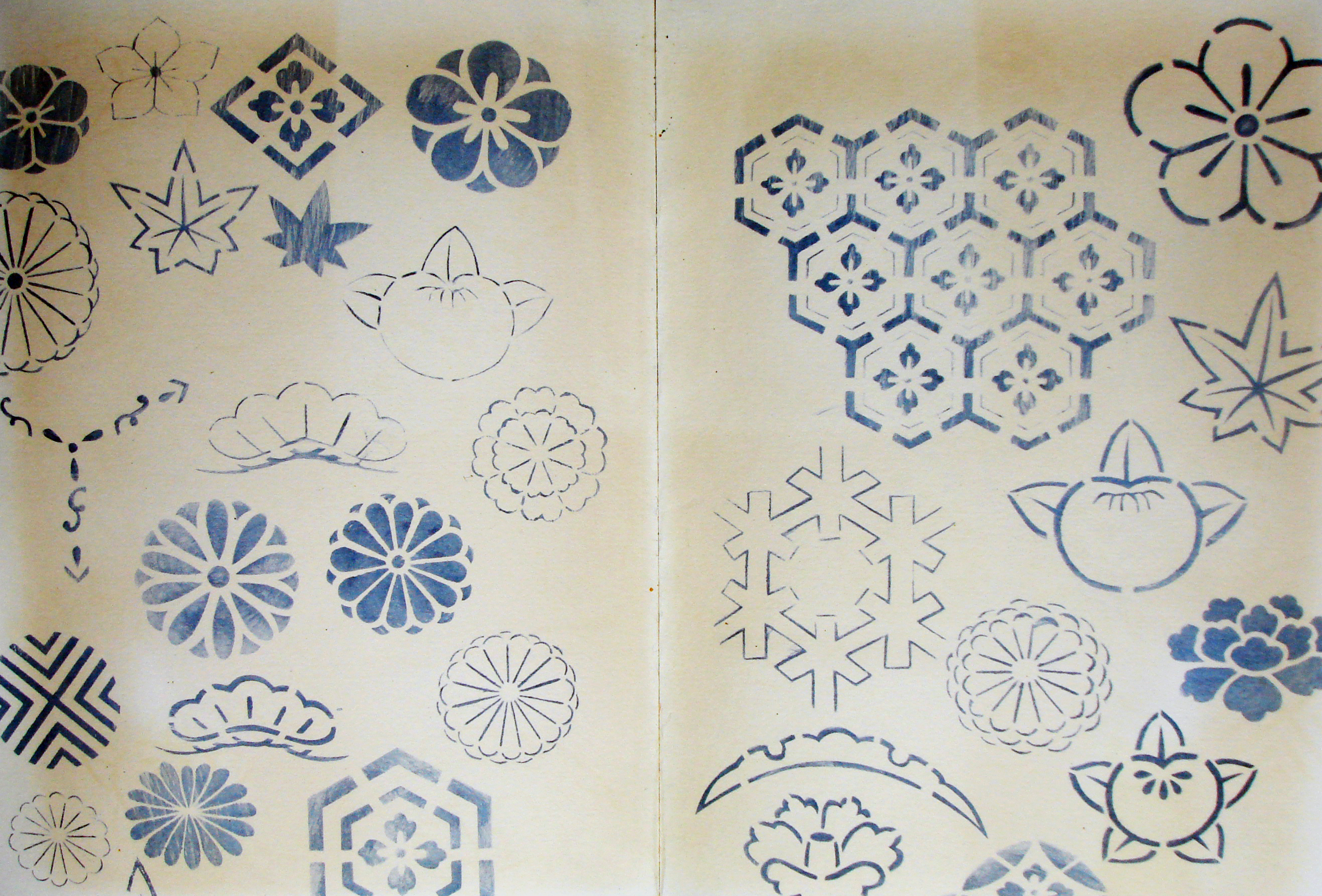
And that is when the bartering started, wherever I went I drew a picture of the people I visited, they gave me something or even better demonstrated a technique for me – I went to Kyoto almost daily to study traditional textiles, meeting with designers, weavers, spinners, embroiderers of kimono, I swapped these stencils for a drawing of the artist who cut and made them.

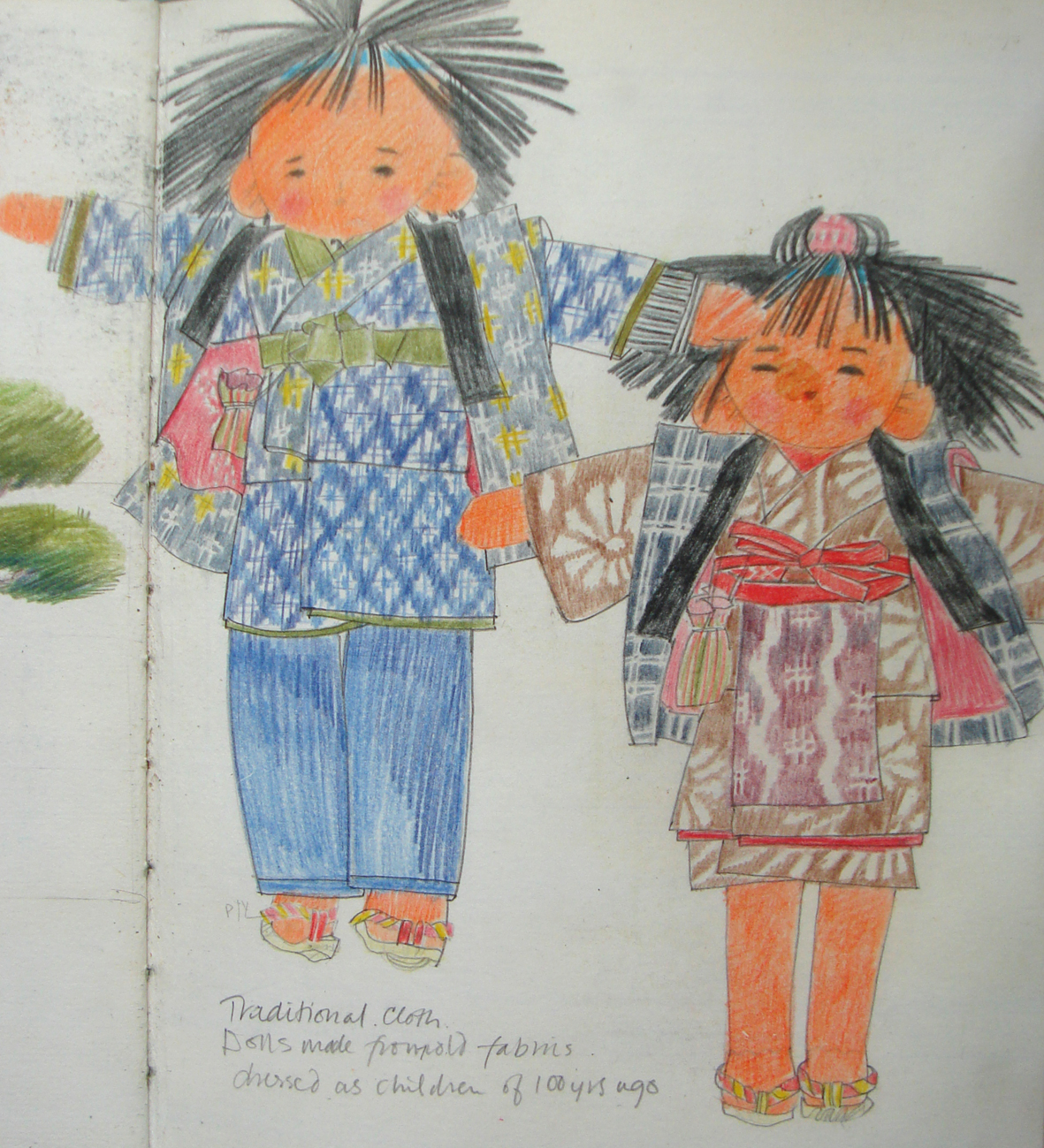
The only rustic ( and now the most fashionable) fabrics I saw and recorded, so unusual were they, are these dolls in a museum, dressed in shibori patterned rustic clothes of the 19th century.

rustic dressed dolls from a museum

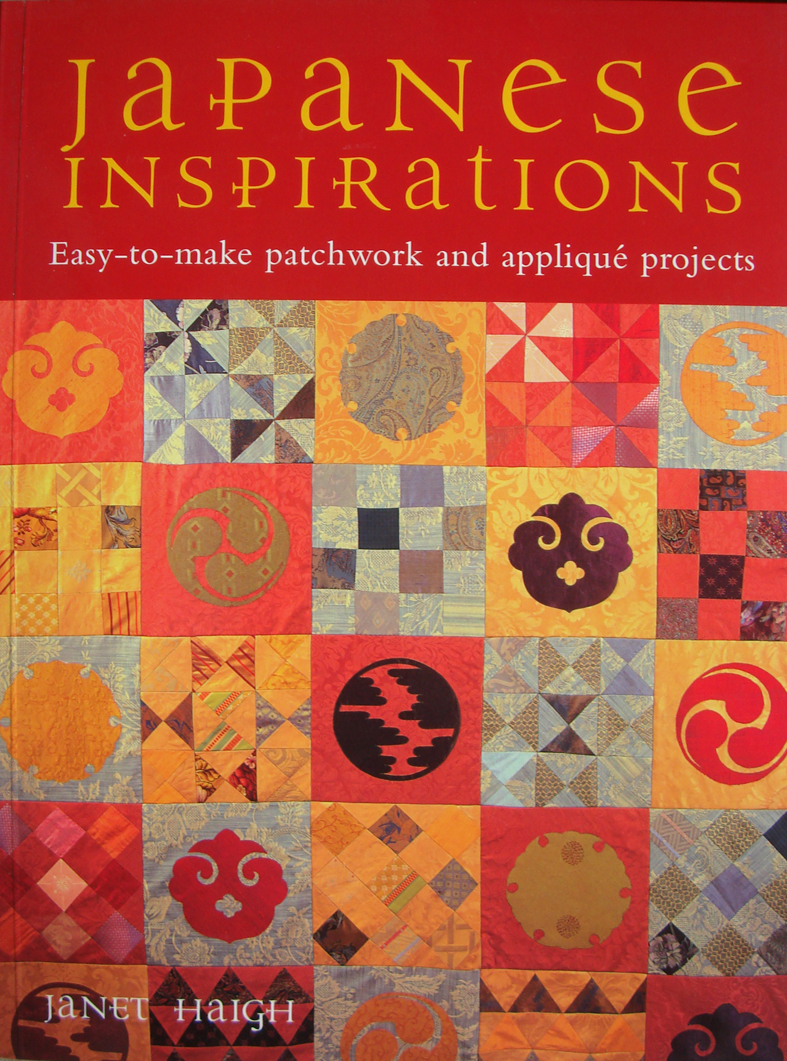
So looking thought the day book now I am intrigued by what I  eventually did make with all this information. I will try to show some of the results in further blogs, but right now I think that the visual mind has a strange way of making connections between disparate stimuli, because I made work for a patchwork book from this study trip….

and now some 30 years later I am eventually giving classes in making kimono.

More Fabric Jewellry Ideas

design stage for my new fabric jewellry

We have had so many interesting fabric jewellry classes at Heart Space Studios recently that I have decided to develop a fabric jewellry course for the autumn using all the jewellry tutors to take a class each. I got the idea from attending Teresa Searle’s workshop and even though I was the most talkative student I produced enough ideas to develop some old pieces of work to make fabric, enamel and beaded jewellery.

Teresa Searle's workshop samples

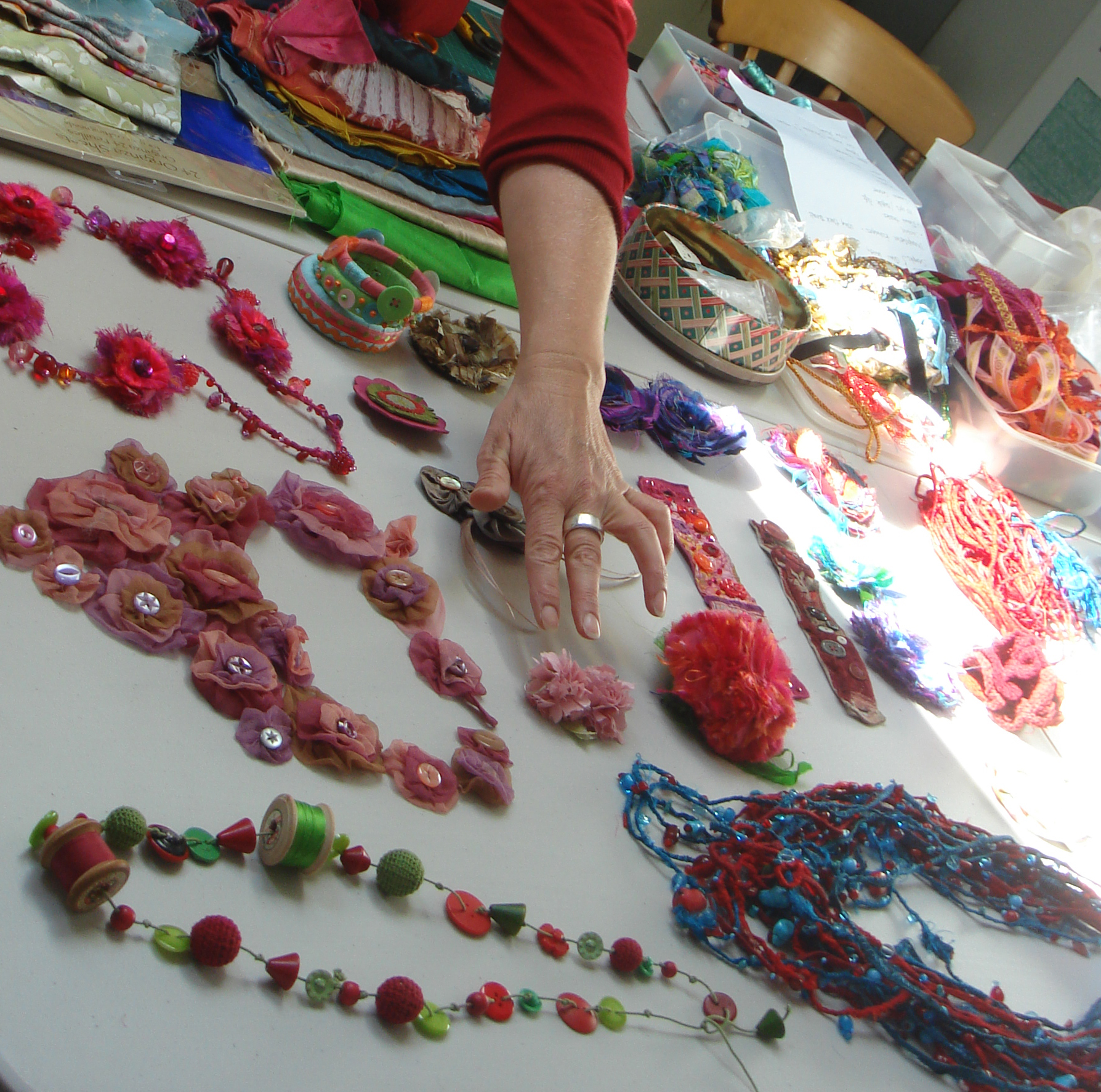
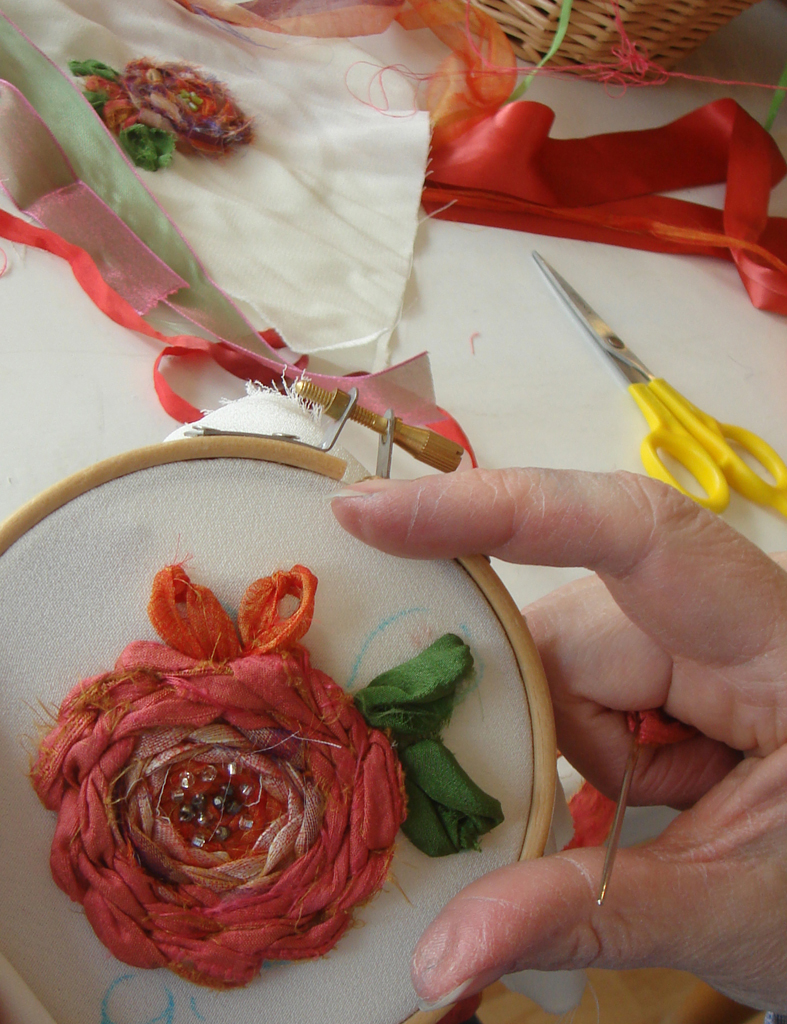
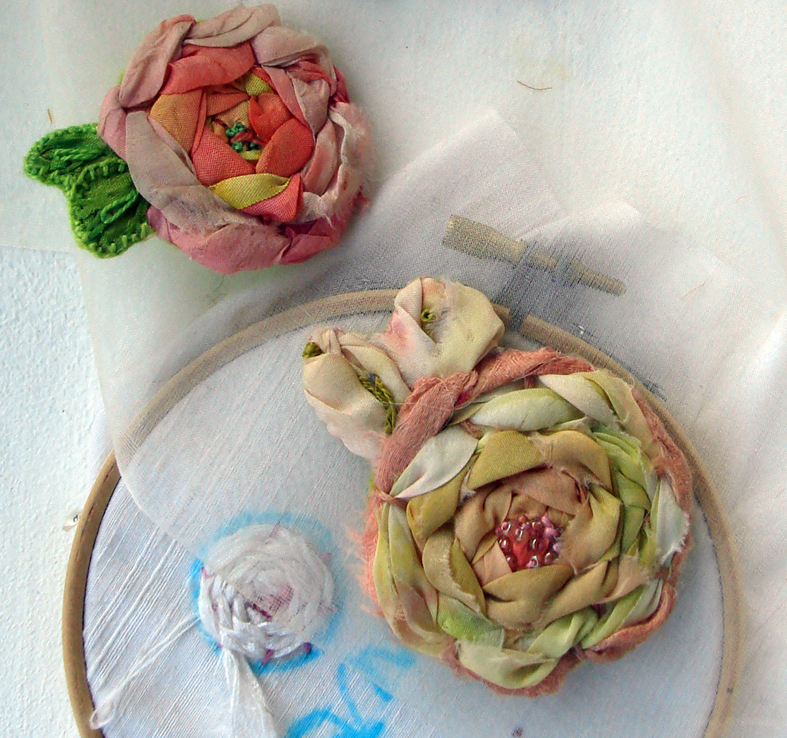
You can see just Teresa’s hand pointing out a flower brooch at her recent class, she brought a wonderful selection of samples and ideas to inspire everyone not just me. She showed us several ways of making fabric into rosettes for flowers..

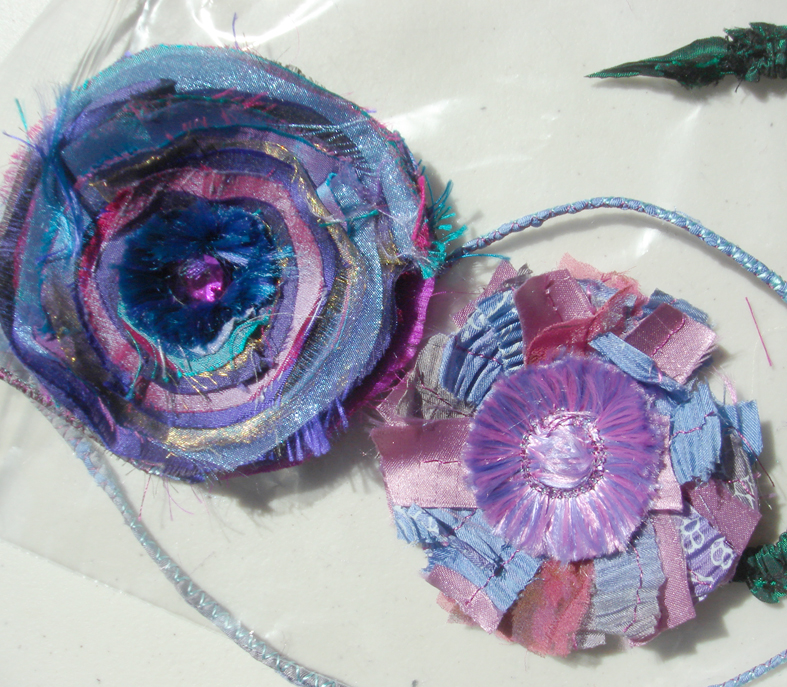
rosette flower for brooches or hair combs

rossettes for a necklace cut from luscious silk chiffon

strings for beading,

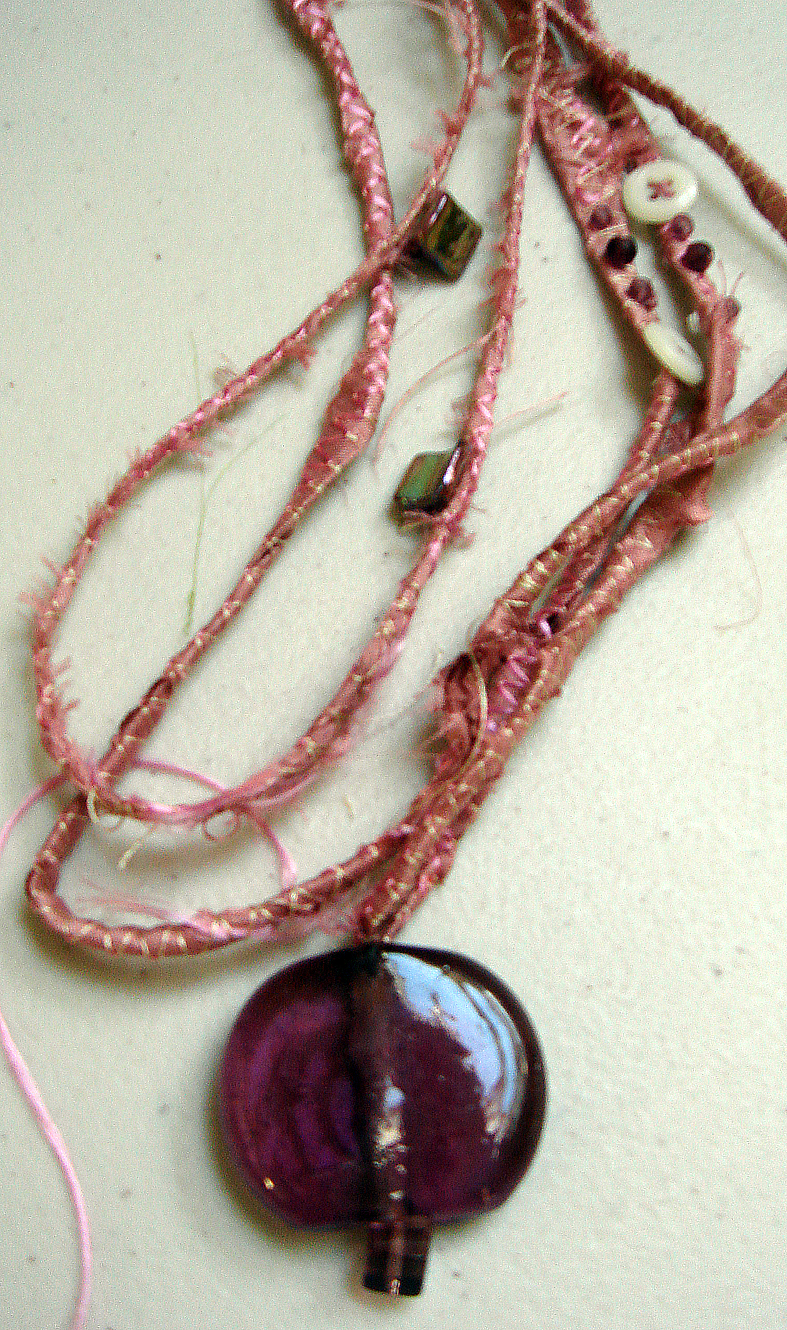
stitched fabric strings

beaded fabric strings

appliques for making bracelets and has lots of ways to achieve good looking finished and wearable pieces.

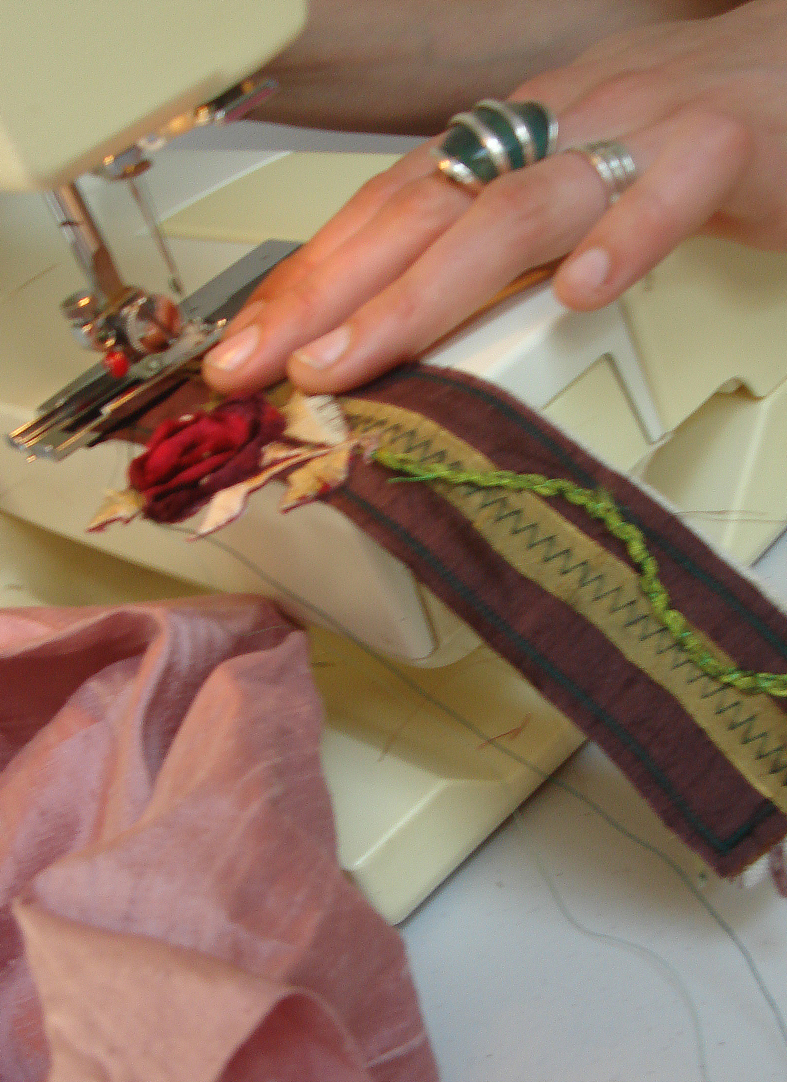
applying a stitched rose to a fabric bracelet

Other tutors teach how to make beautiful fabric beads, here Patricia Brownen has strung her beads with pretty glass bought beads. Stringing up to colour co-ordinate is real skill and she has developed interesting and simple ways for beginners to achieve beautiful combinations in her workshops.

Patricia Brownen's beaded fabric beads

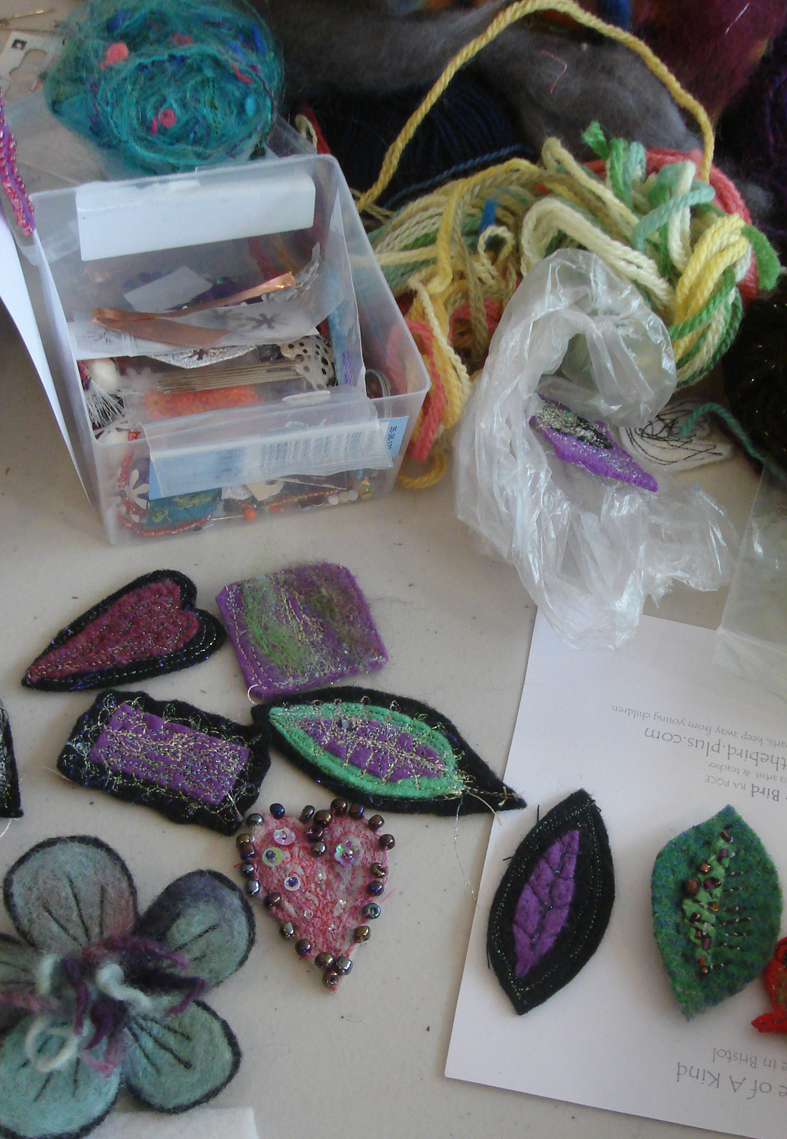
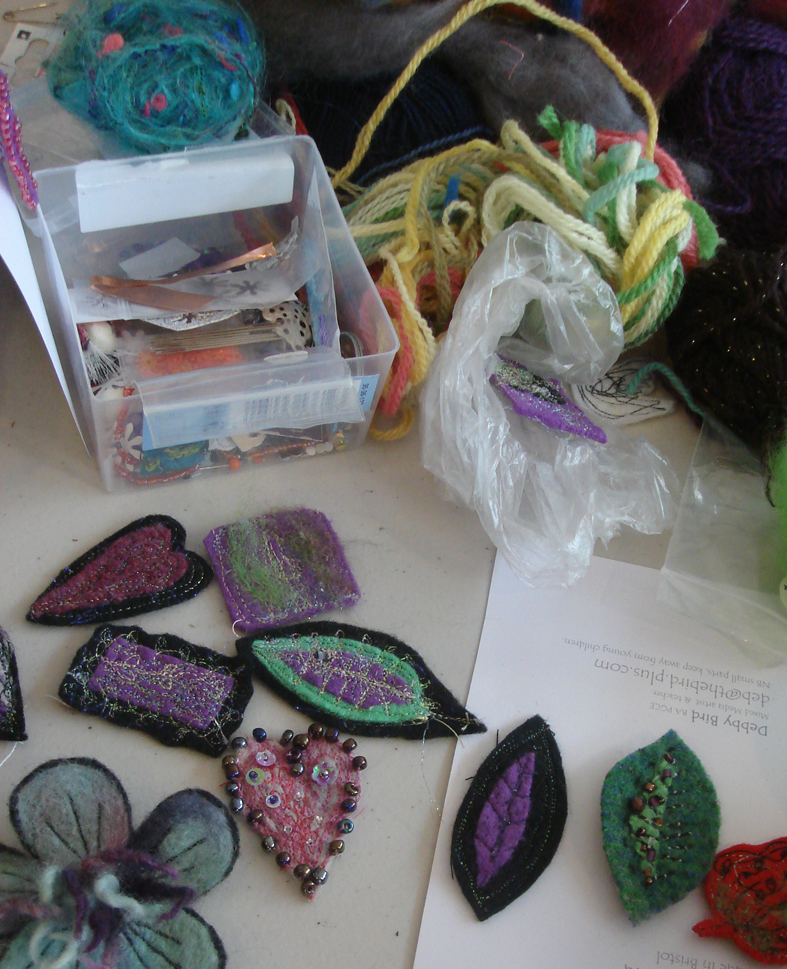
Other tutors make brooches out of recycled fabrics and threads, Debbie Bird always bring piles of lovely things to play with.

Debbie Bird's stash of fabrics and samples for her workshop

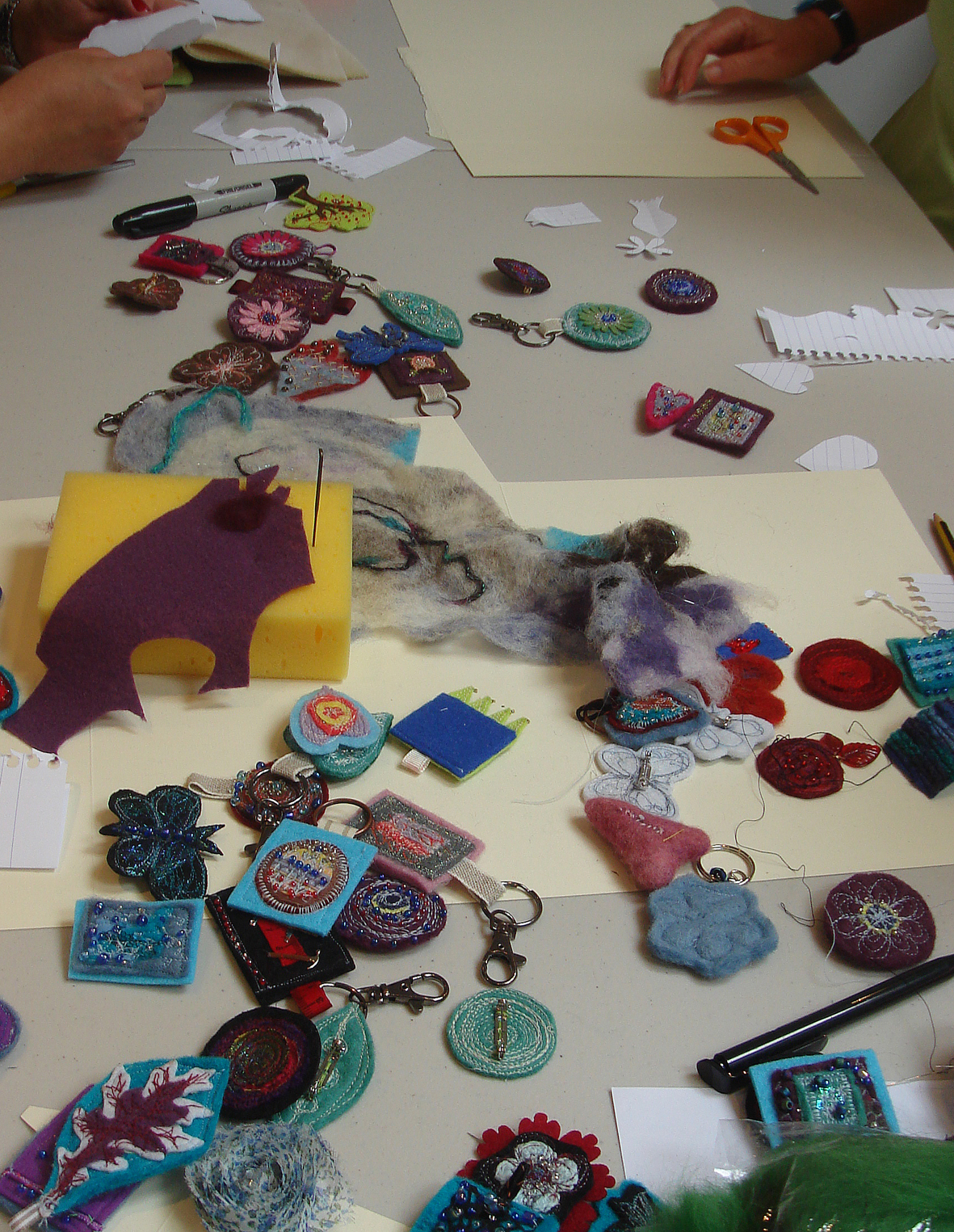
workshop in progress

Jan Connet has made some lovely daisy chains for her workshop for machine embroidery using vanishing muslin

Jan Connett's daisy chains

paper making from a new workshop at heart Space

These would make lovey bracelets and necklaces if she makes them stronger, I like the idea of adding them to the fabric strings I made with Teresa. It is this combination of ideas and materials which will  make our jewellry course so fascinating for everyone involved.I also think that Jan’s paper making class could develop into bead making…the combinations of colours and materials give plenty of scope for new ideas.

I am also interested in developing and integrating the ribbon roses into the course which we made in a previous workshop.

My workshop for making ribbon roses

But what I really want to achieve is a mixture of media in the new course, fabric with beads, enamel, paper, wood, bone…….the idea is to get the different materials to work together so that they form new and exciting combinations for textile jewellry.

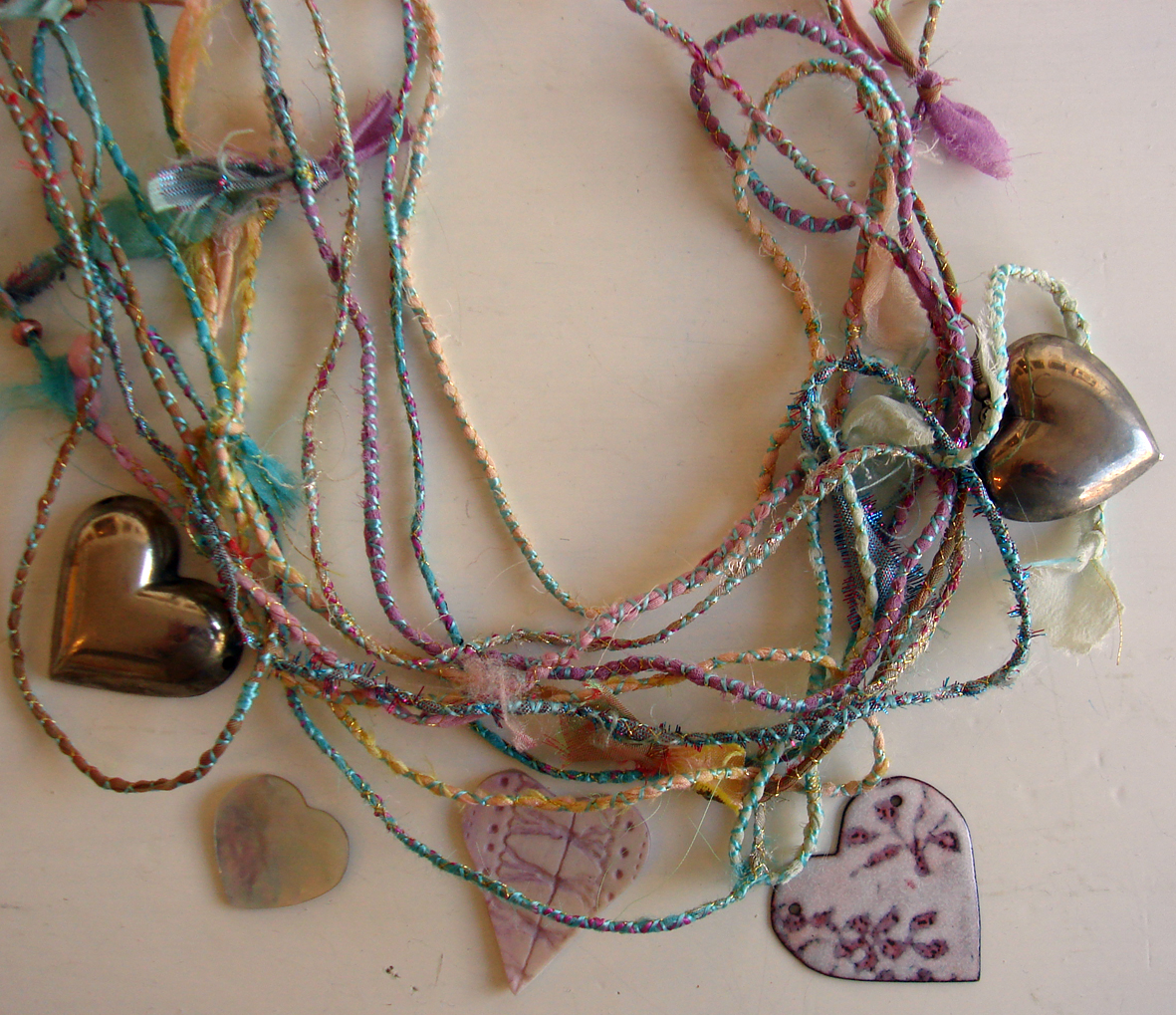
my old ideas for mixed media jewellry are beginning a new life

Making a Paper Lace Shade

the new dining room at Heart Space

A new space has been opened up at Heart Space Studios, the dining room. Until now lunches have been served in whichever of the 2 studios were not in use; now there is a proper dining room between the two studios, but because it is enclosed it has no natural light source …serious lighting had to be considered but I have not got serious lighting money.

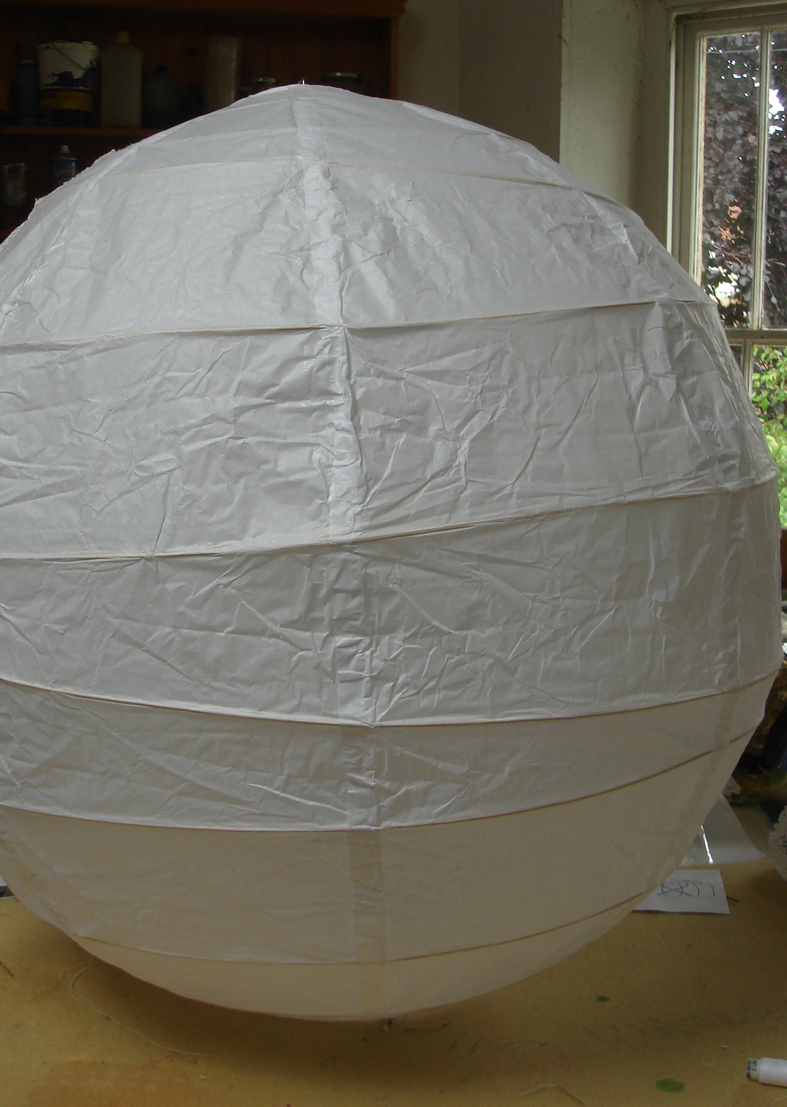
the original large paper lantern

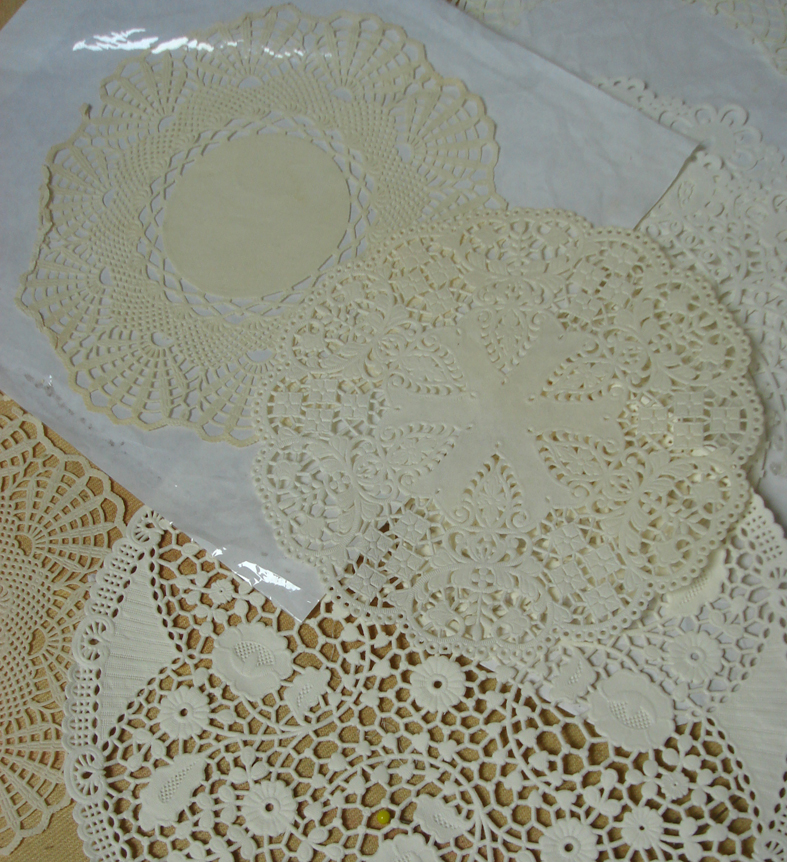
collection of paper doilies

I knew that I wanted a very big light fitting because the room is small – a section of the original office area and if you have a major problem when decorating try to make something very positive happen….. no light in a room?  accentuate the darkness, or in this case, if the light has to be on all the time, make the lighting really special.

Yesterday I found a huge paper pendant in Habitat, the right size but seriously understated for my needs – but at £5 it had be be bought – I will do something with it somehow I thought – after all the price was perfect.

When I got it home I looked around for some lace to stitch onto it – the first thought was to use strips of broderie Anglaise and just wind it round and round between the spiral wires that form the shape…then I thought about circles of lacy fabrics, crochet, lace and tatting I have somewhere in my stash of white work…but then I remembered all the paper doilies I had bought from vintage stalls years ago when I was patterning my stitched enamels. Now where were they? Eventually I found them in the white paper draw in the plan chest – where else would they be?

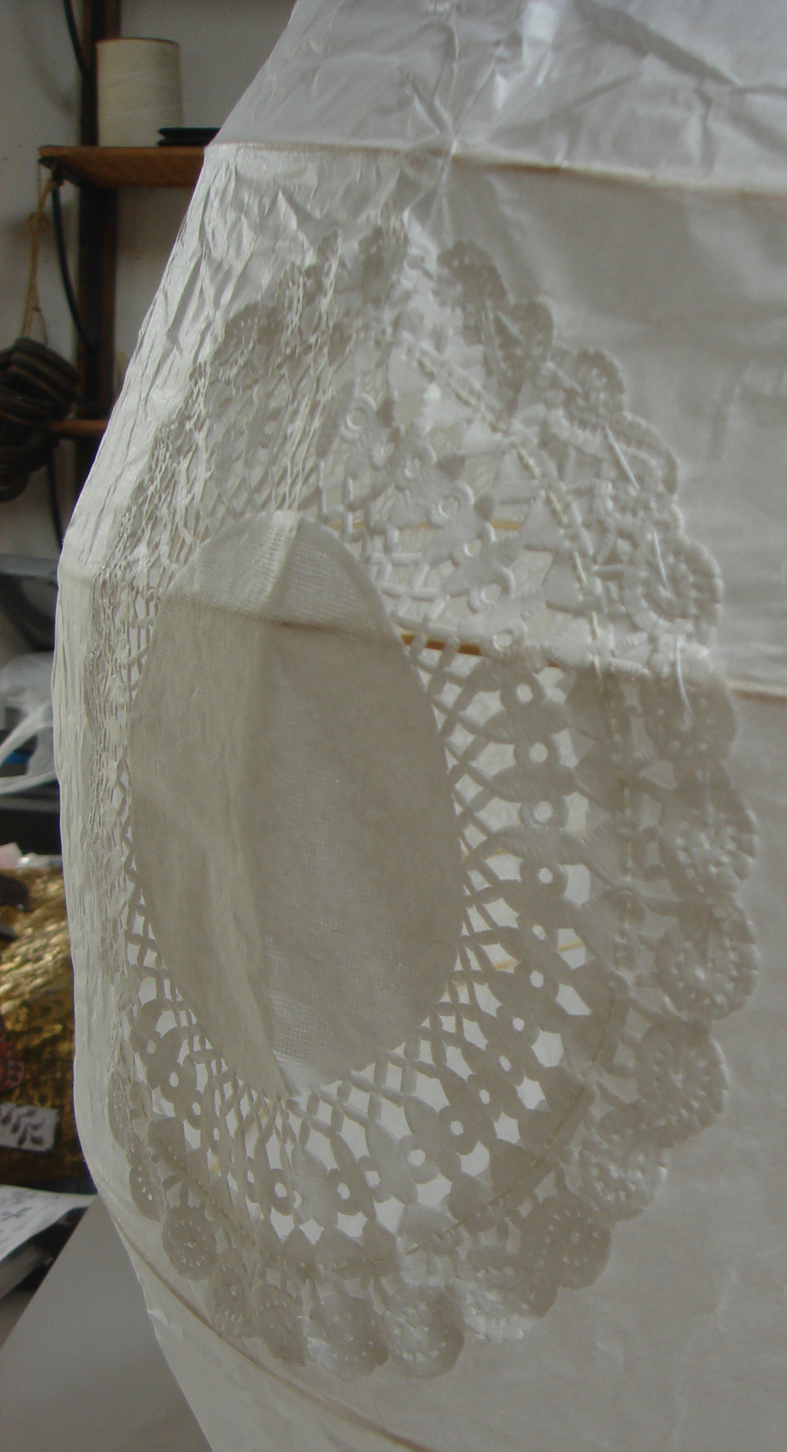
I fished them out and the rest was easy- peasy, well not exactly easy -peasy, in fact it was really tricky to make this idea work. Fabric could have been eased and coaxed into following the curves of the paper sphere, but my old stamped and fragile paper could not. Luckily the paper sphere was already creased….. I set to work.

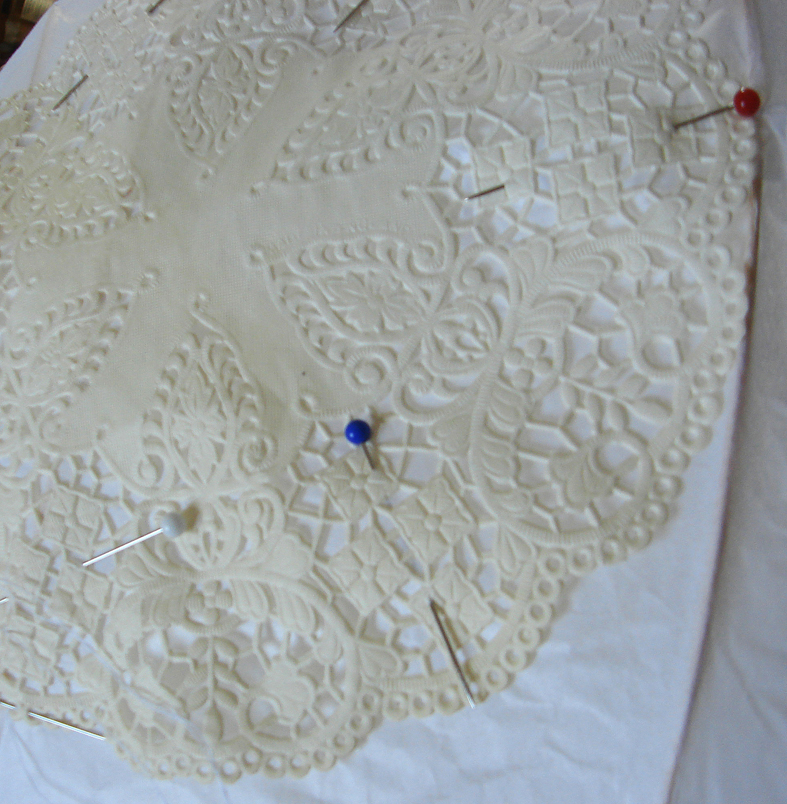
pinned paper doily being stitched into place

Don’t ask me why but I never even considered gluing this shade together, which is the obvious way of doing it – I just had to stitch it. But in the long run I think this made it easier but not quicker. Stitching, even into paper, does allow for a bit of ease of movement, whereas using glue is OK only when you are very exact and know what you are doing before you start.

first doily stitched in place with back paper removed

I added one at a time pinning and stitching and cutting the backing paper away to get a lace effect and more light. The first one was easy as it was quite small, the second was big and very awkward. I had to really struggle to get the papers cut away from inside the sphere and this is why I like to sample and design first when starting from scratch with an idea. But for this I just had to figure it out as I made it – I really should make a paper pattern for this as I would like to make some more of these to sell in the shop at the studios.

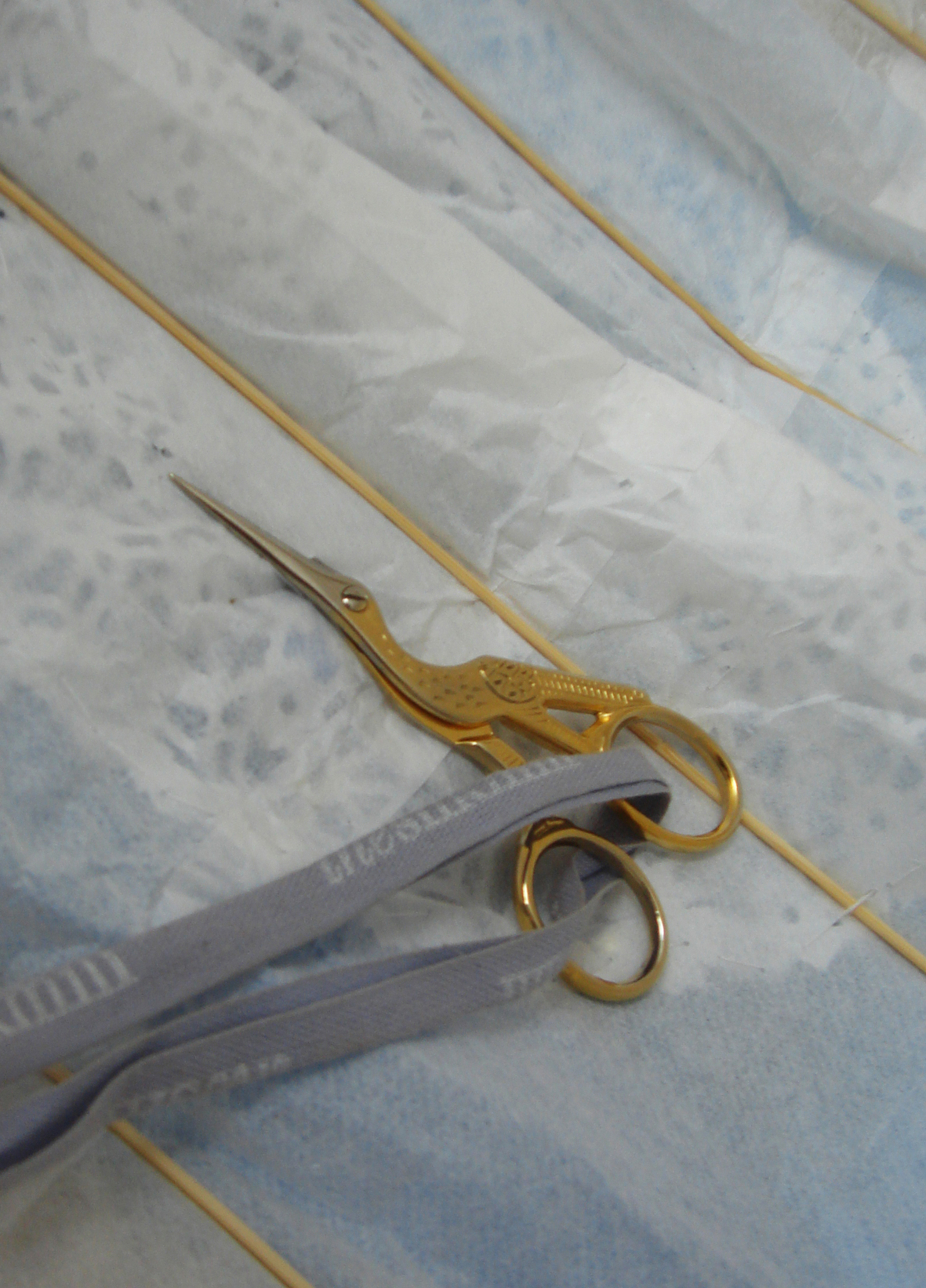
cutting the original paper shade away from appliqued doily

Cutting the backing papers away was a fiddle as I had to get my hands inside the sphere – but the effect is definitely worth it. I worked all Sunday afternoon and then finished it first thing Monday morning and took it in to be hung at lunch time. I was very pleased with the result; but really I just liked being able to stitch something again – starting a business to teach stitching is not the same thing as stitching for a living and I do miss my old quiet and contemplative working life.

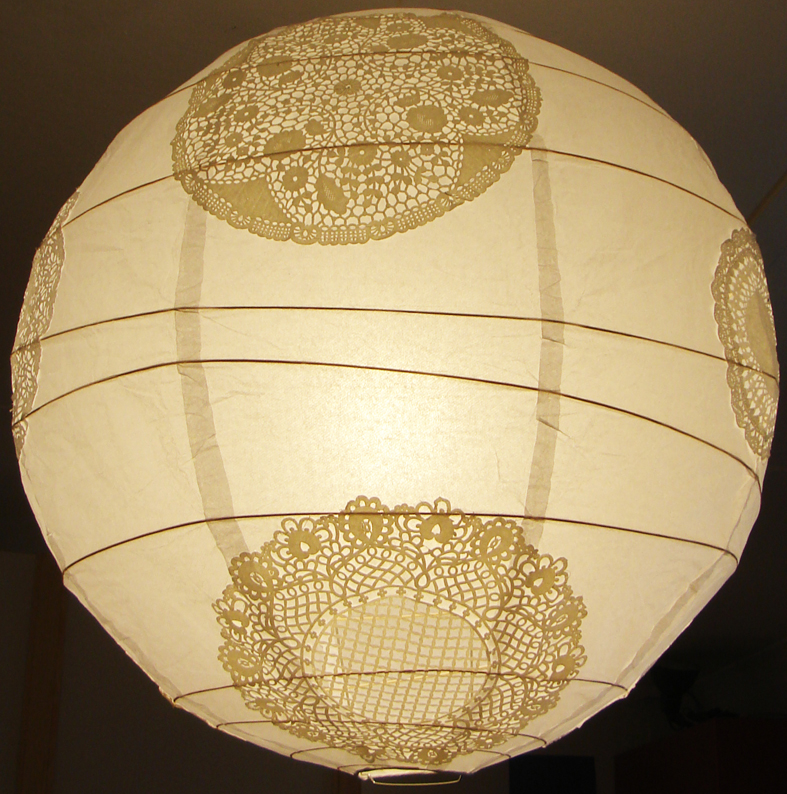
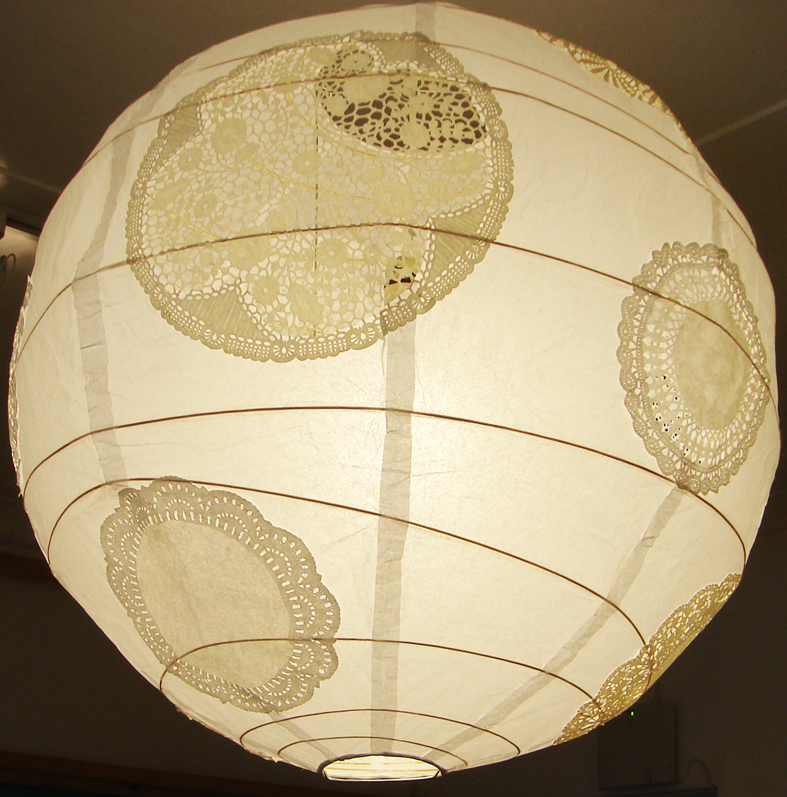
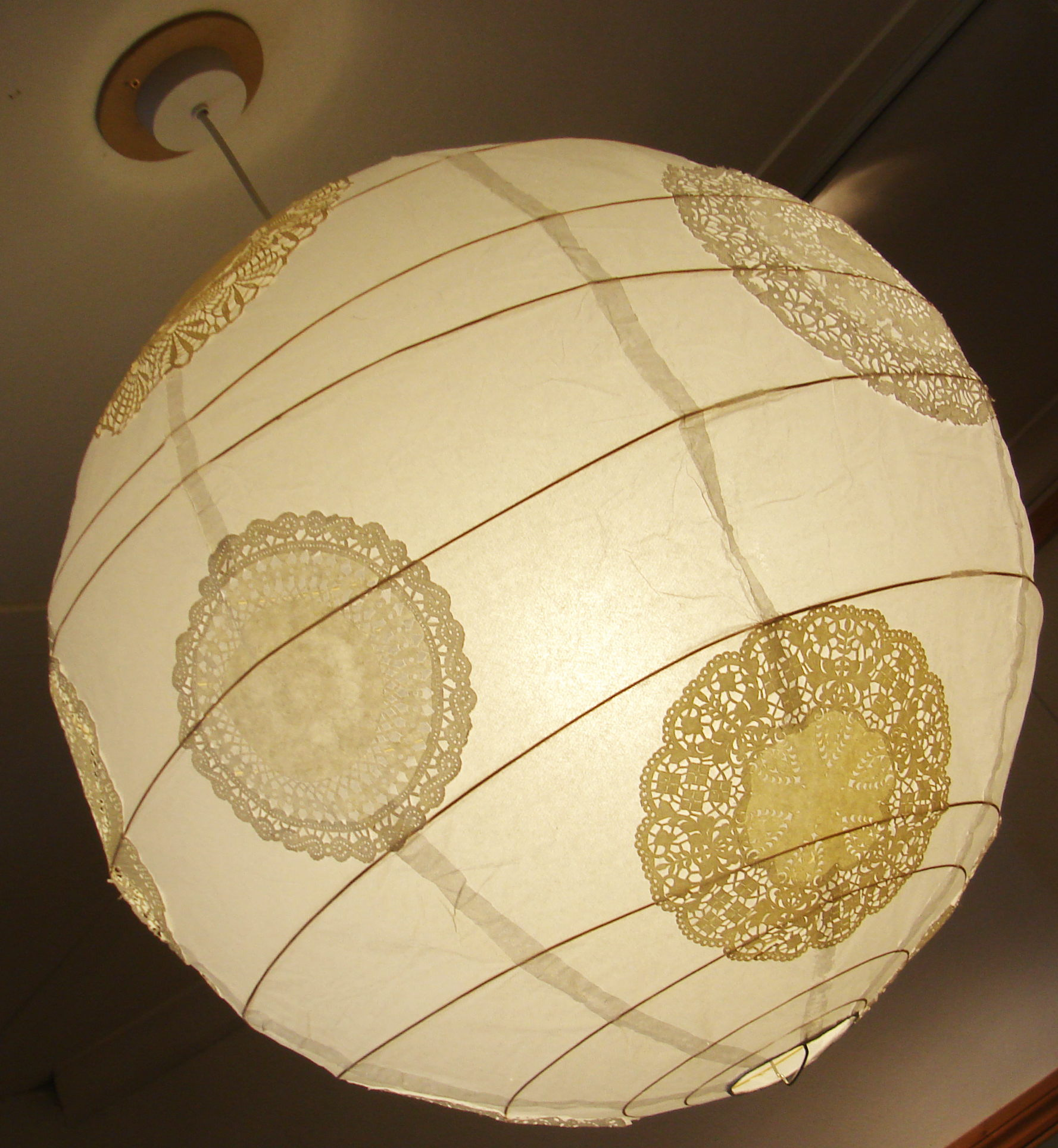
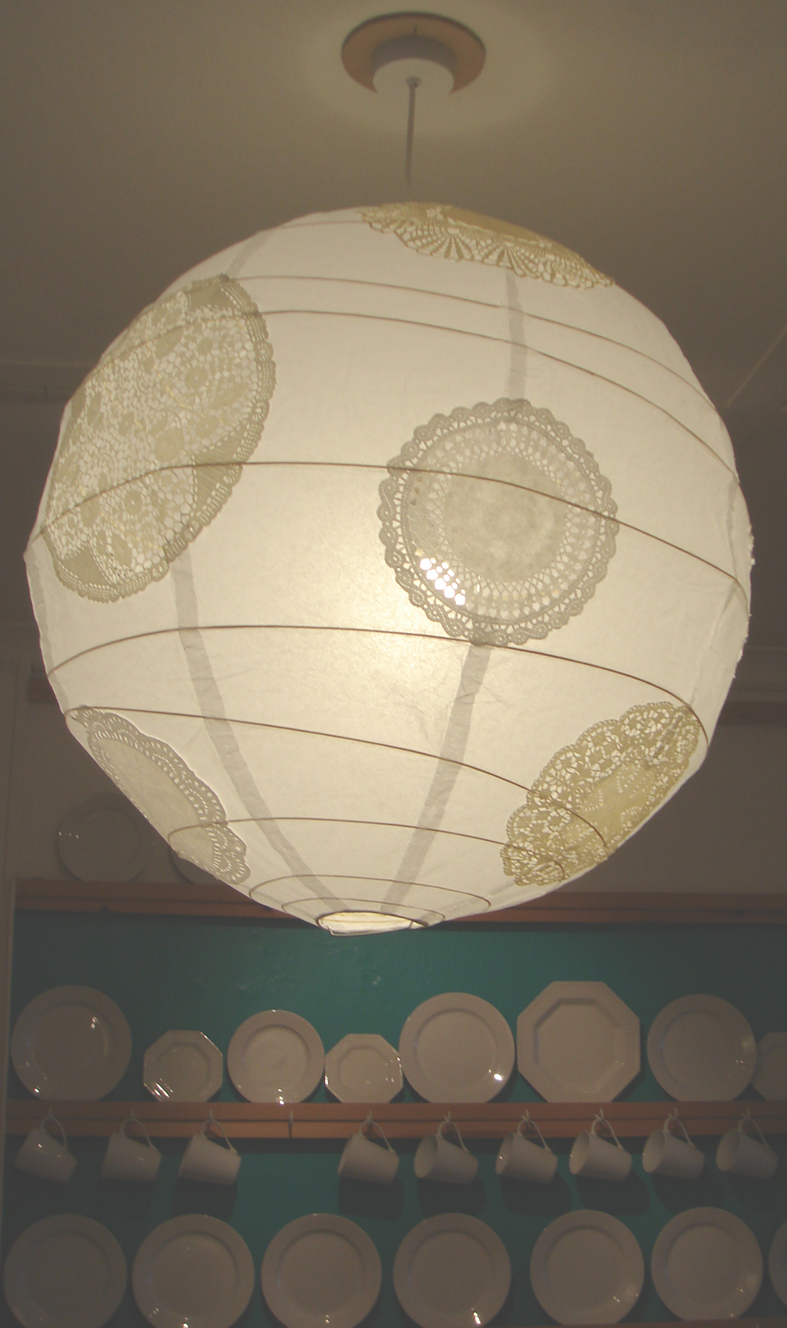
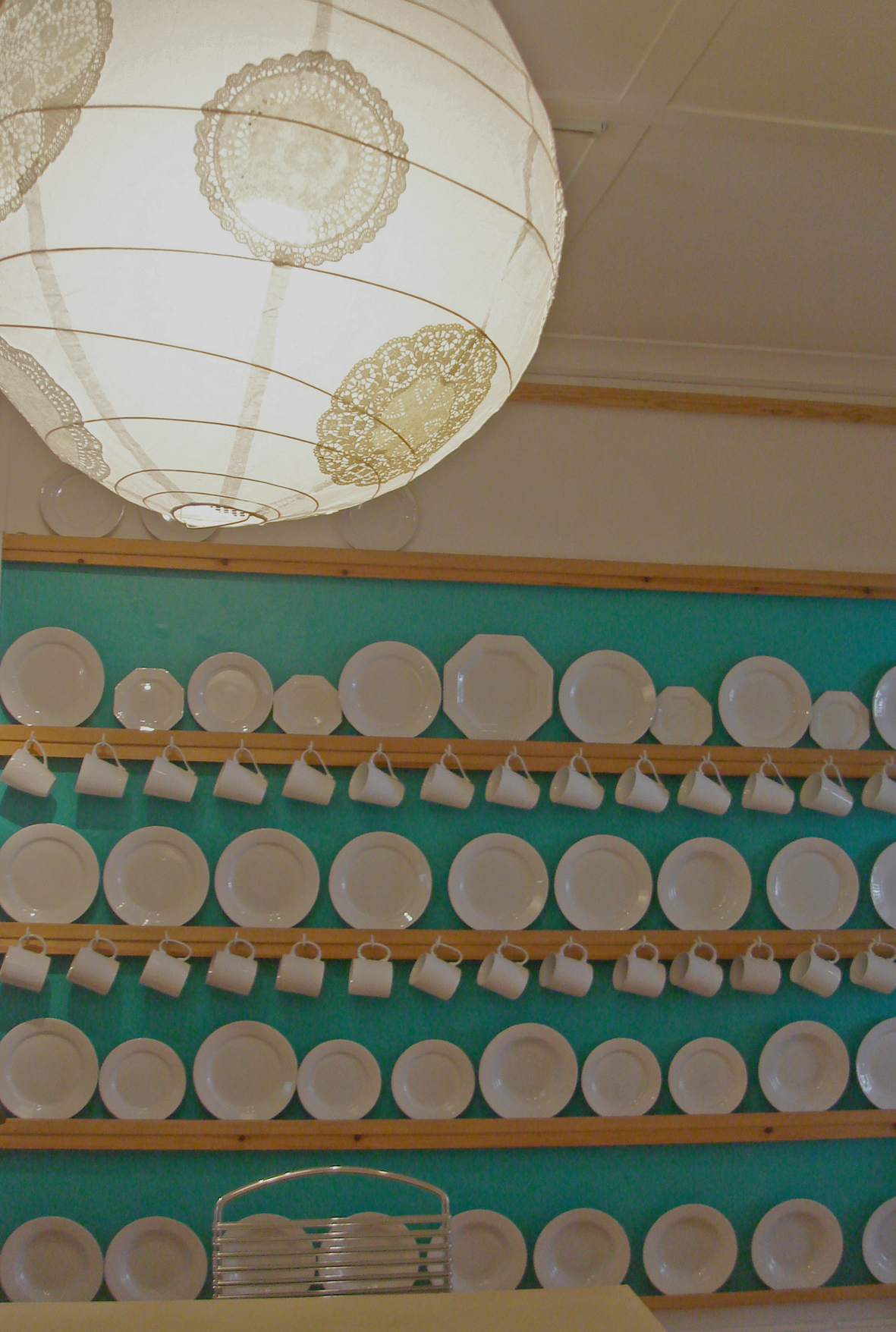
The light behind all the different types and layers of paper looks lovely and the whole room now glows.

the finished shade hangs over the dining table in Heart Space Studios.

Corsets Galore

black silk corset made by Lisa Keating

I have never been very interested in corsets beyond museum studies, but last week I became totally entranced by them – why? because in to Heart Space Studios came an ex fashion student of mine, Lisa Keating, nee Best, and she brought the most ravishing selection of her bespoke corsets.

a small selection of hand made corsets - designed to be worn to be seen

I had invited her over to see if she wanted to develop some workshops for us, having met her at my recent open studios, where she turned up, out of the blue, with her husband, Mark, another ex – student, and their 3 children. It has been 20+ years since I taught her but I remembered her very well as a lively(!) opinionated and talented student – I was sure that she would bring me good things to see but I never expected this….

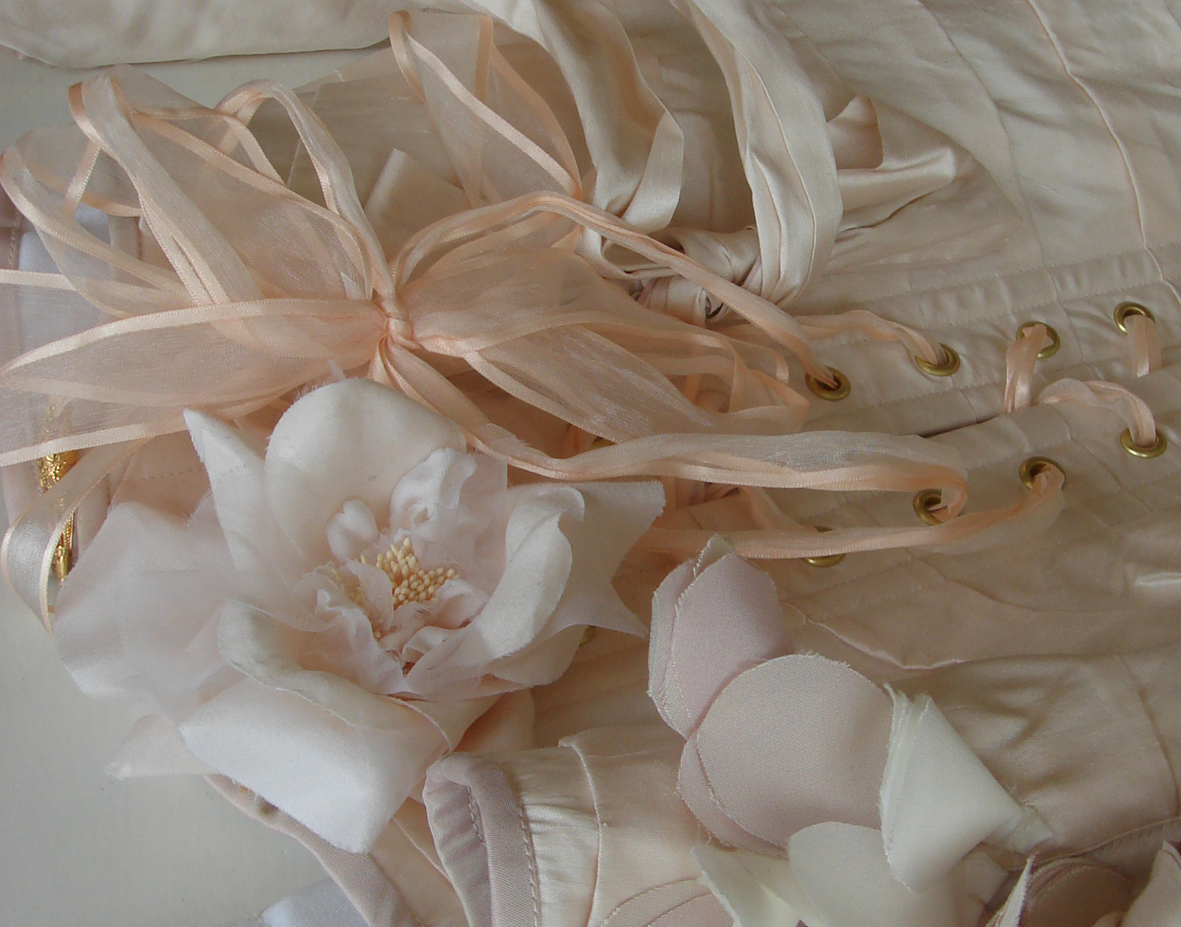
romantic silk corset with ribbon lacing and fabric flowers.

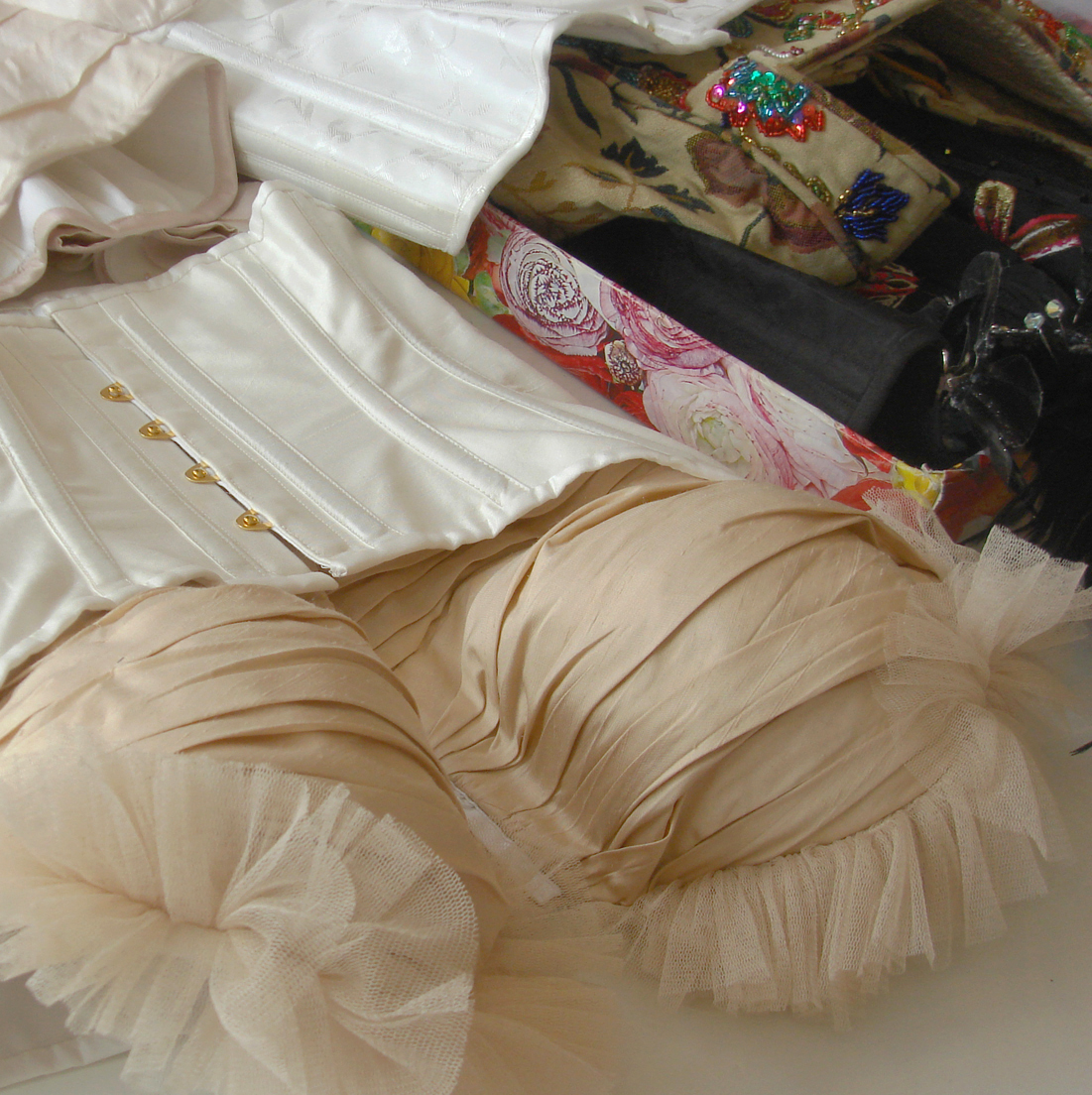
Out of a beautiful flowered box came delectable things, pale be-ribbonned silk corsets, for a fantasy wedding; ruched silk with net frills for a ballconette effect…I think I have this terminology correct!

sexy ruched ballconette bra and a box of beaded corsets.

lace and bows ad bugle beads in silk taffeta

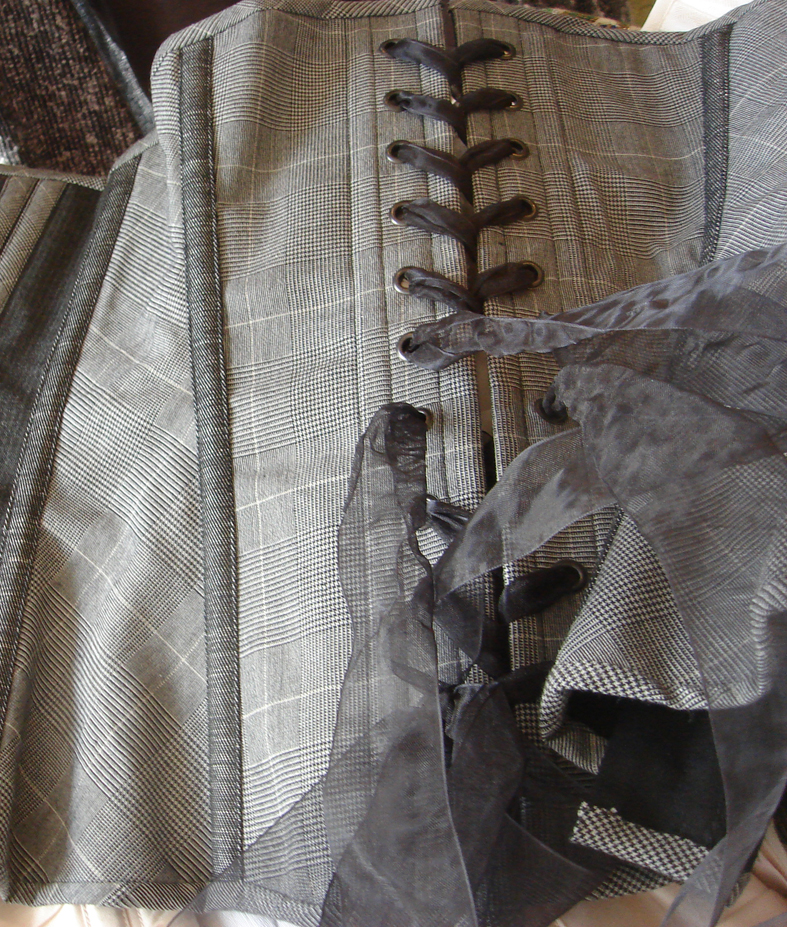
For Strict mistresses, there was a tailored corset in a smart checked suiting fabric.

office wear for a strict mistress

and even a very patriotic Rule Britannia number…..

the union flag inspired corset worn by Lisa's daughter

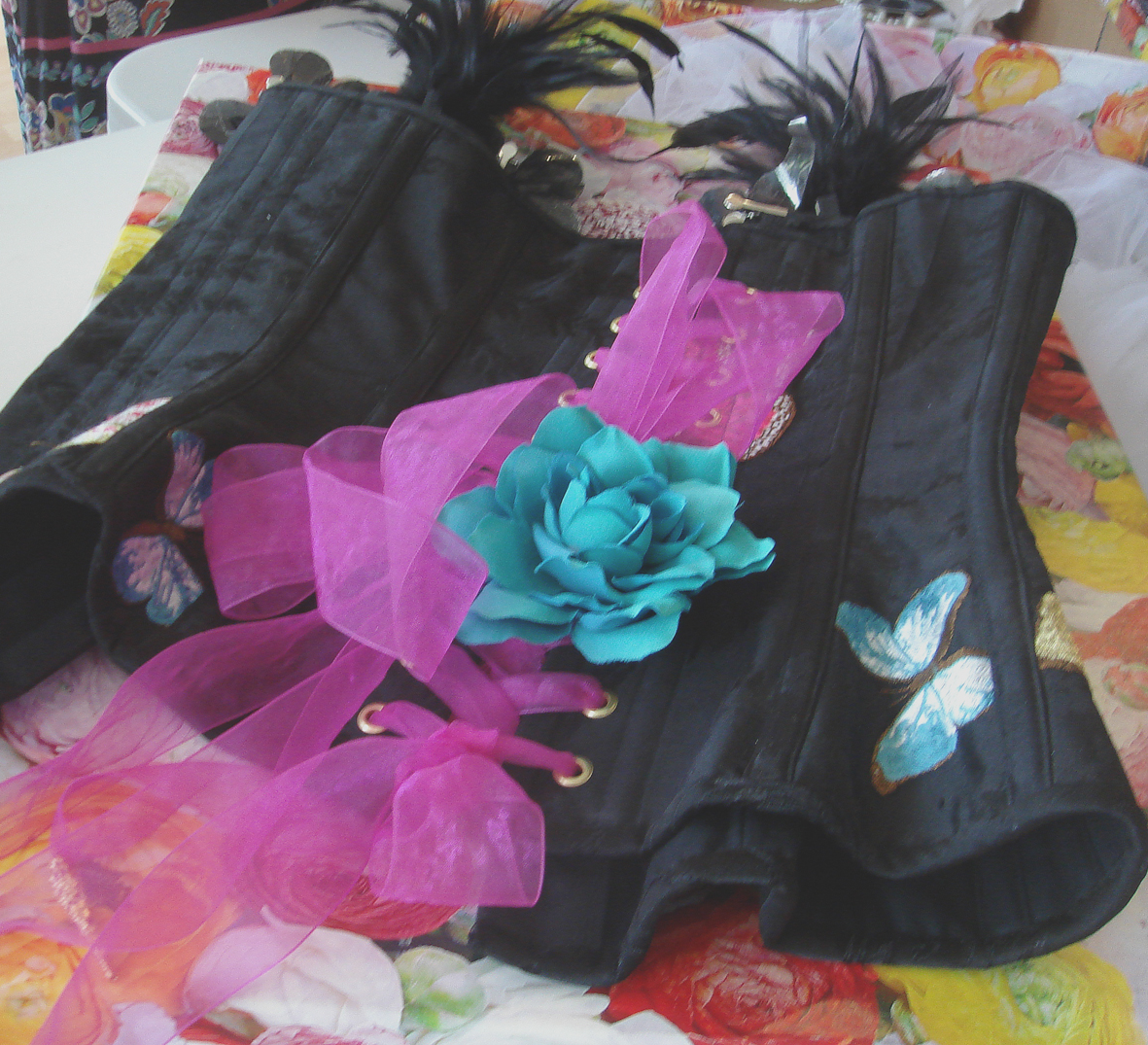
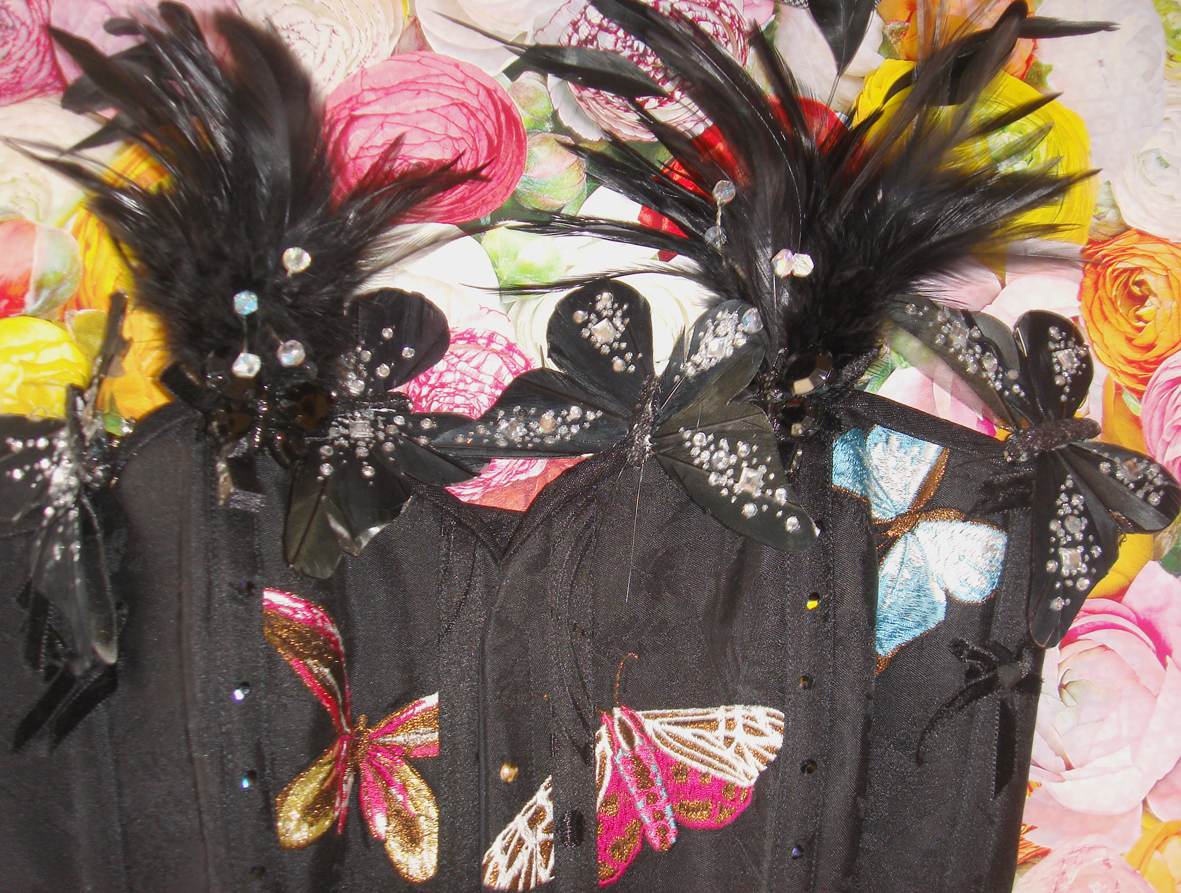
There were also embroidered butterflies, flowers and feathers and bows and lacing….

be-ribbonned, butterflied, flowered and feathered

and apparently if you wear one of these fabulous contraptions they can take 7, yes, seven inches off your waist – that’s a lot more in centimetres.

the front has even more feathered butterflies, jewells and embroidery....

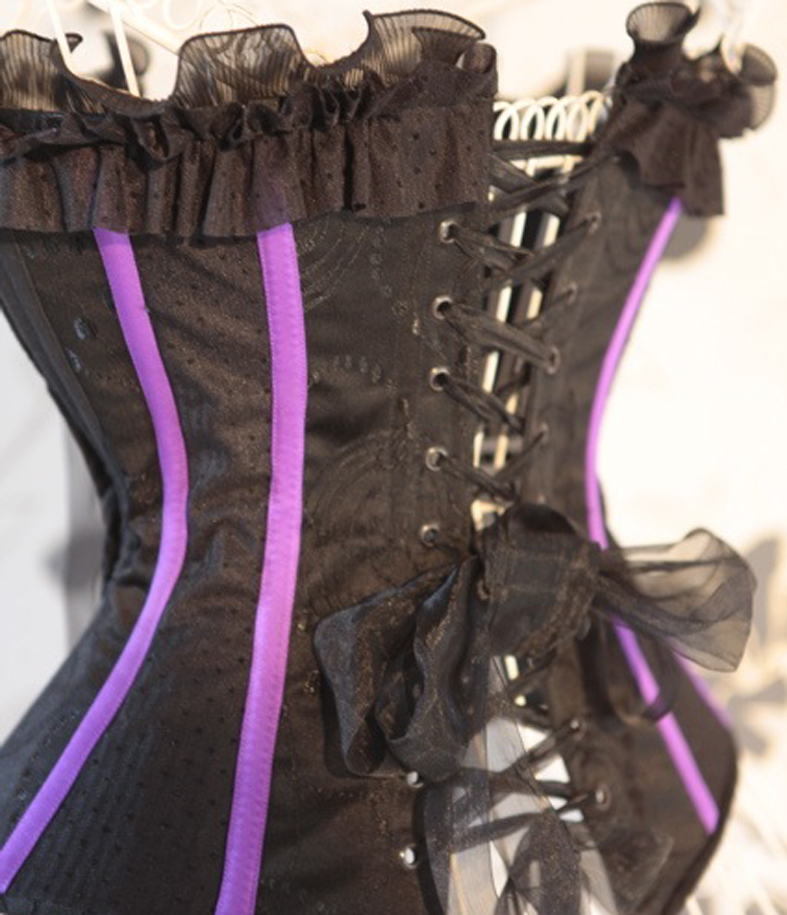
All the corsets are boned and laced at the back and this is where the fitting starts to work, I thought the backs were as fascinating as the fronts

laced back with eyedlest and a silk ribbon to match the frills.

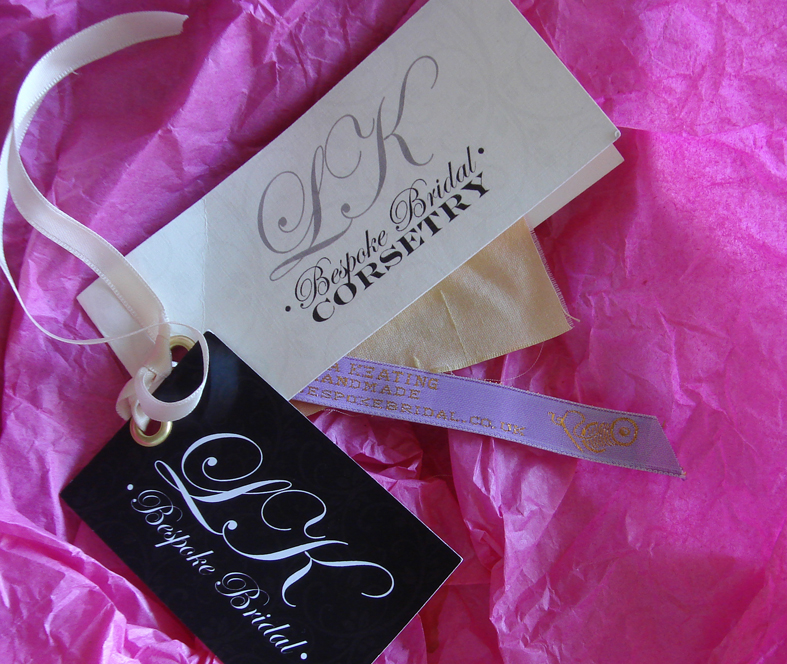
even the labels that Lisa had made for her business cards and samples were delectable.

Lisa Keating business card and samples

I will leave you with one last lovely image so that you can come and make some of these wonderful things in August at Heart Space – we have plans for making a ribbon flower encrusted corset between us.

Inspirational Indigo

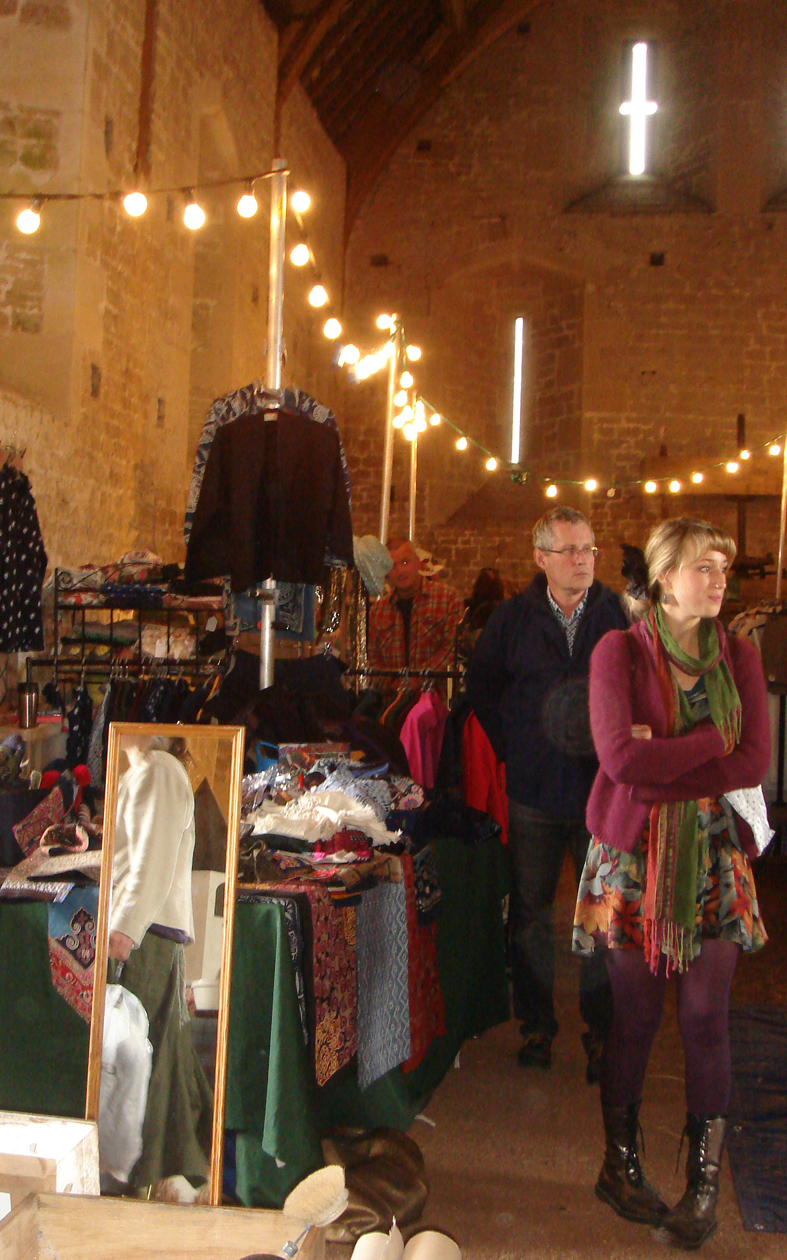
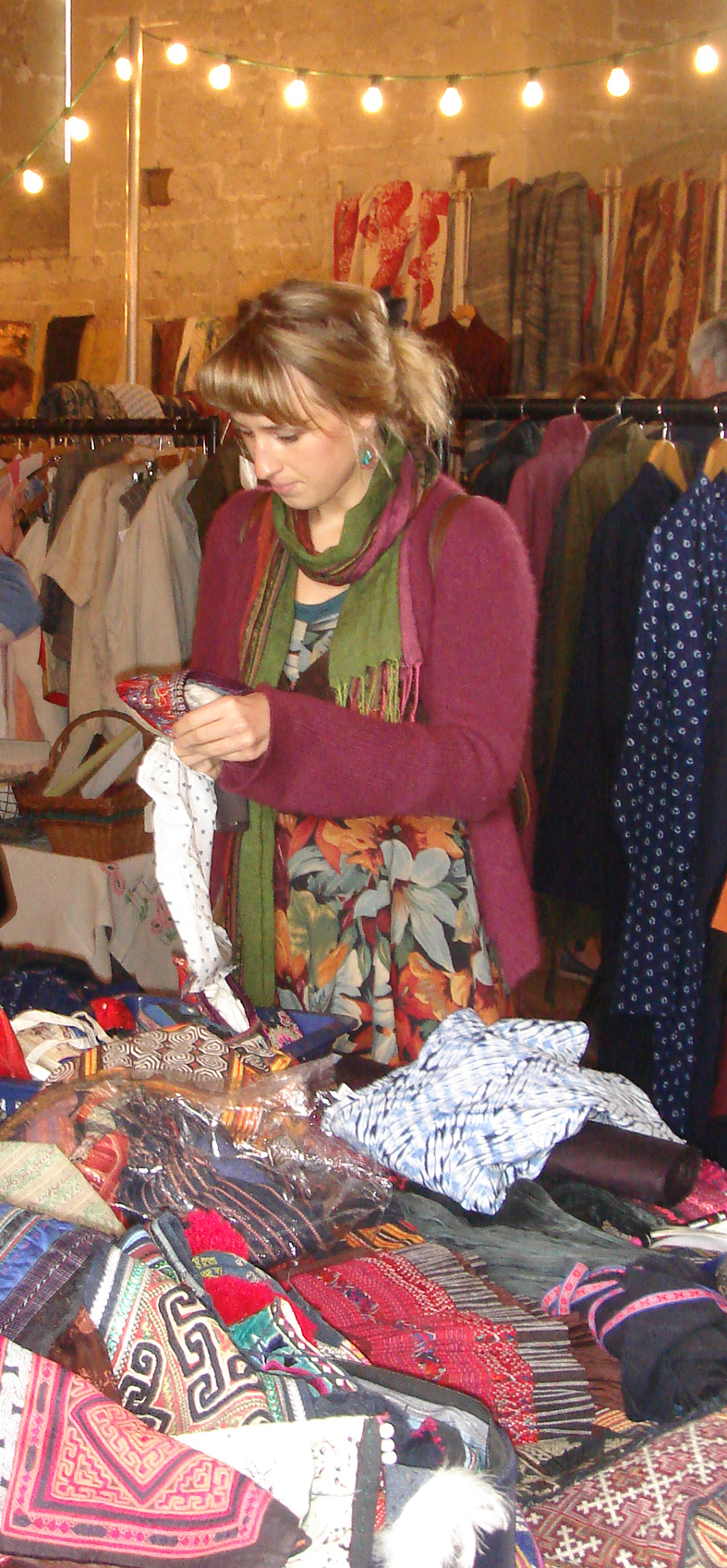
Heart Space staff went on a jolly last week, to Glastonbury for an antique textile sale. It was held in a beautiful refurbished medieval barn which although toweringly beautiful was ffffffreezing…….

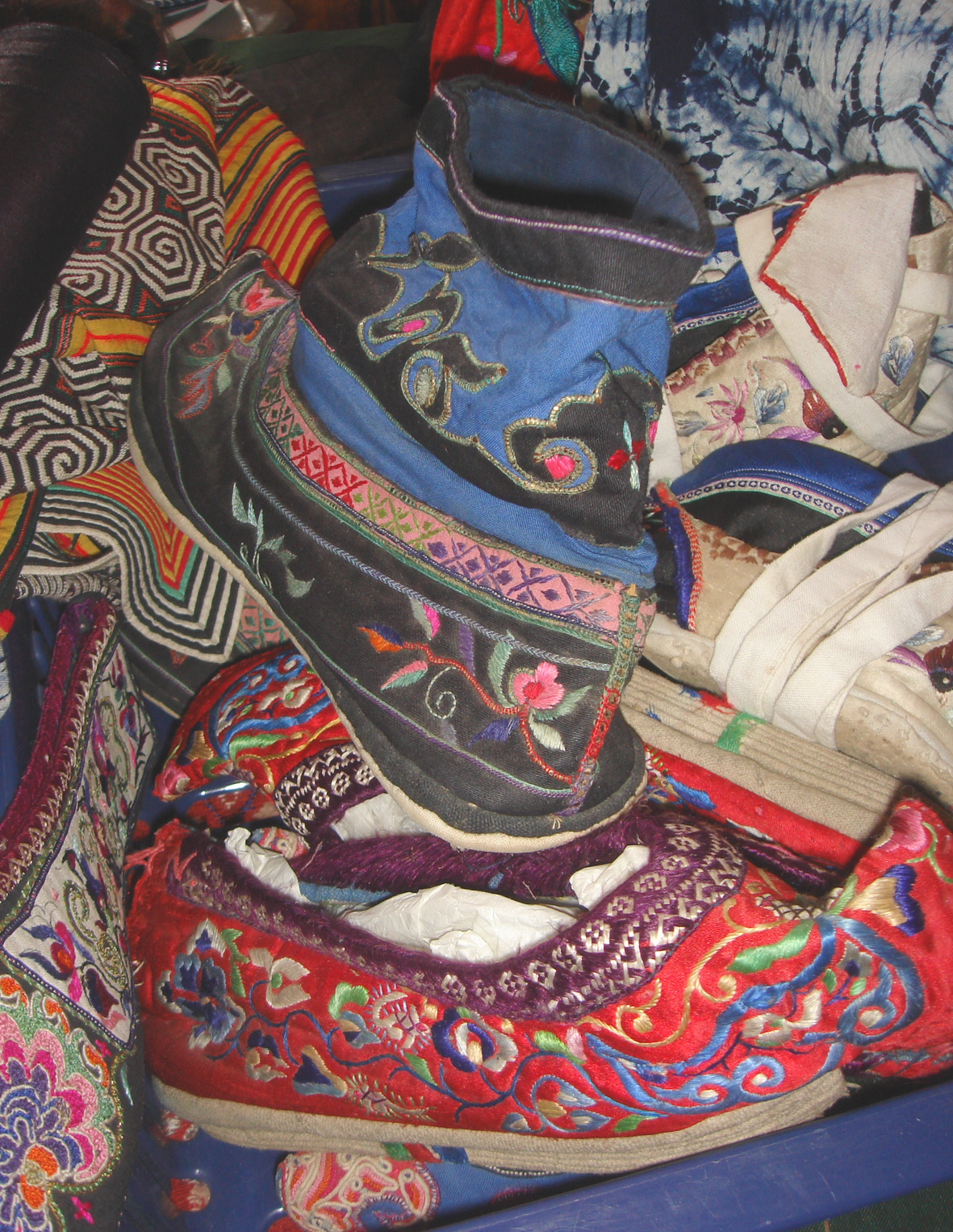
After rootling around, trying on hats, sighing over Edwardian wedding dresses and ball gowns, we eventually ended up buying all kinds of small affordable things. I always try to find either useful fabrics I can work on, got lucky and bought 12 matching linen handkerchiefs for my Make it Through the Night project, or totally Inspirational Objects – which can mean anything at all that just gets me itching to work. We  all eventually gravitated to one particular stall, Slow Loris – an oriental textiles and vegetable dyed clothing stall selling wonderful embroideries and traditional  ethnic indigo fabrics.

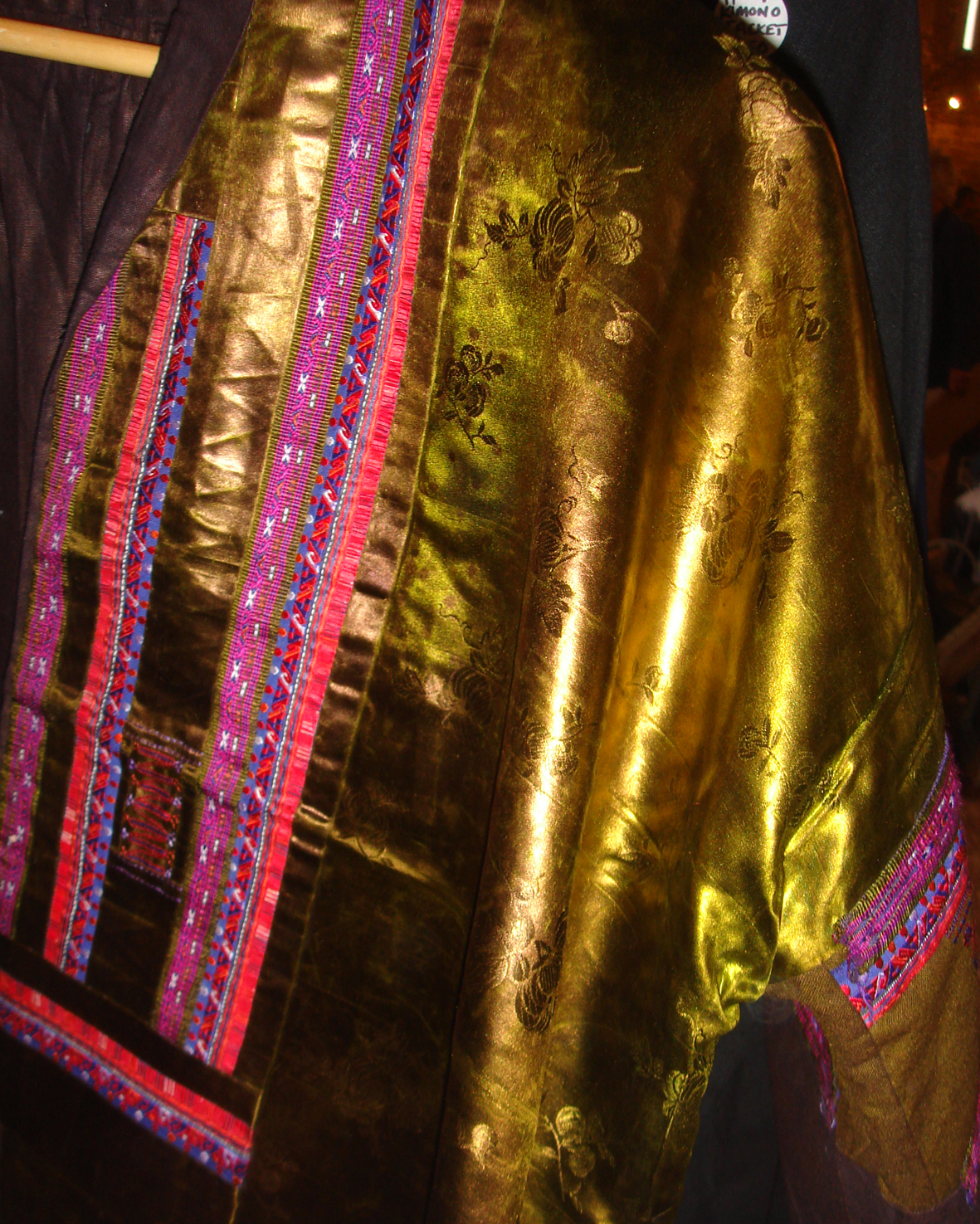
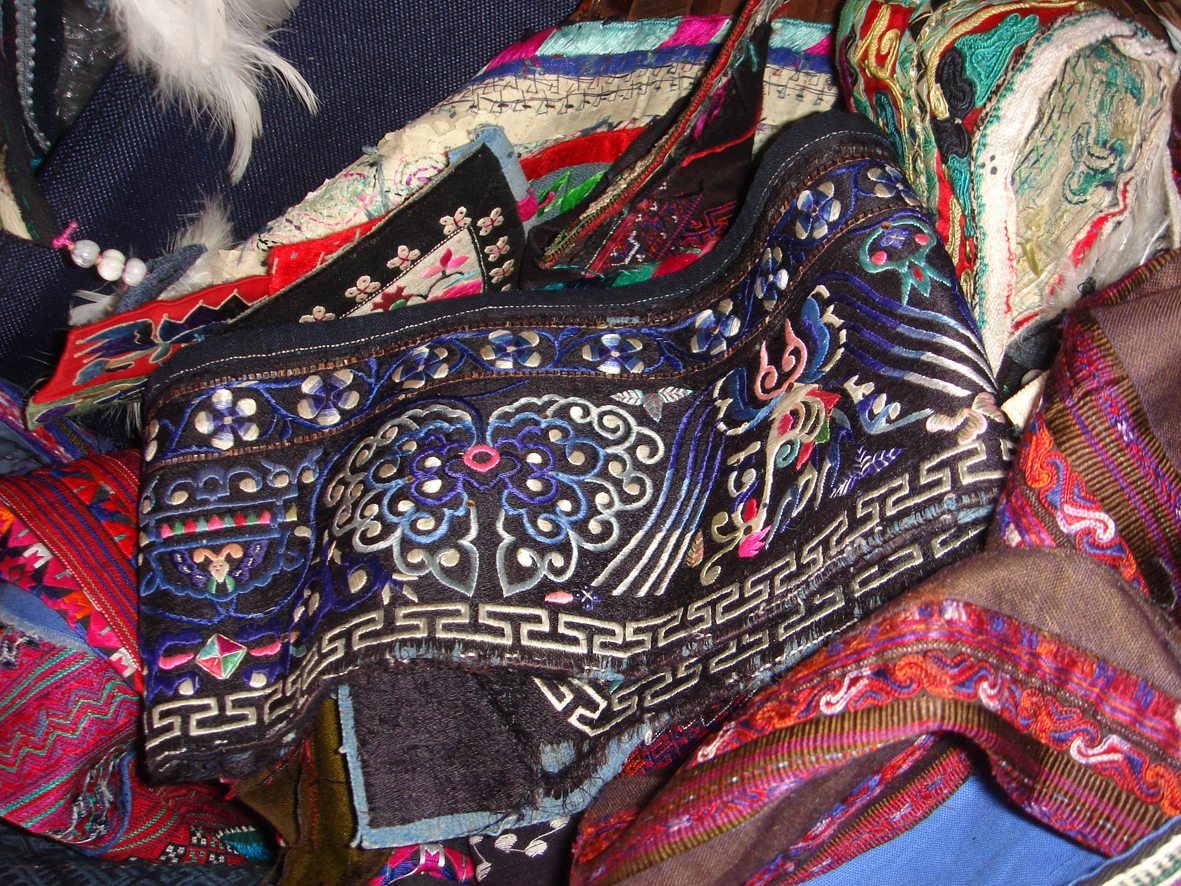
Martin Conian is a fascinating and knowledgeable dealer in wonderful things. I have scant knowledge of these textiles except that they come from a group of ethnic Chinese peoples living on the borders of Thailand, Burma, Laos and Vietnam in south East Asia, known as the golden Triangle so I am just showing you what I liked and eventually what I bought for inspiration

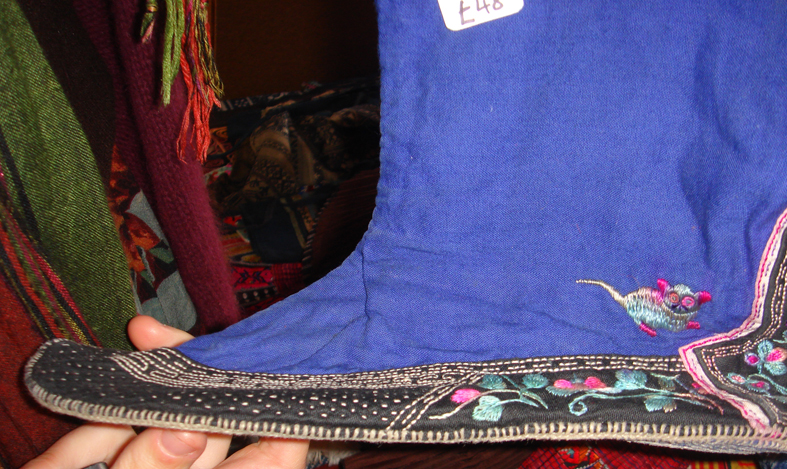
Martin has spent many years visiting, collecting, trading and working with the people who still make these costumes, books, fabrics, jewellry and boots…I got particularly interested in the boots.

embroidered silk boots and shoes

as did Sophie, our volunteer organiser who loves everything vintage, especially textiles.

We were both fascinated by the embroidered boots

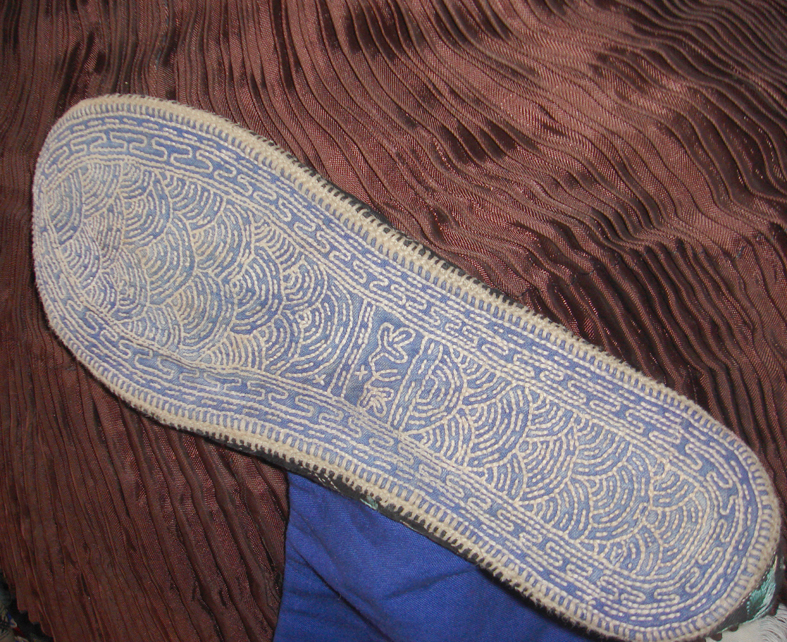
But the real delight was when we turned them over and discovered……

Embroidered Soles!

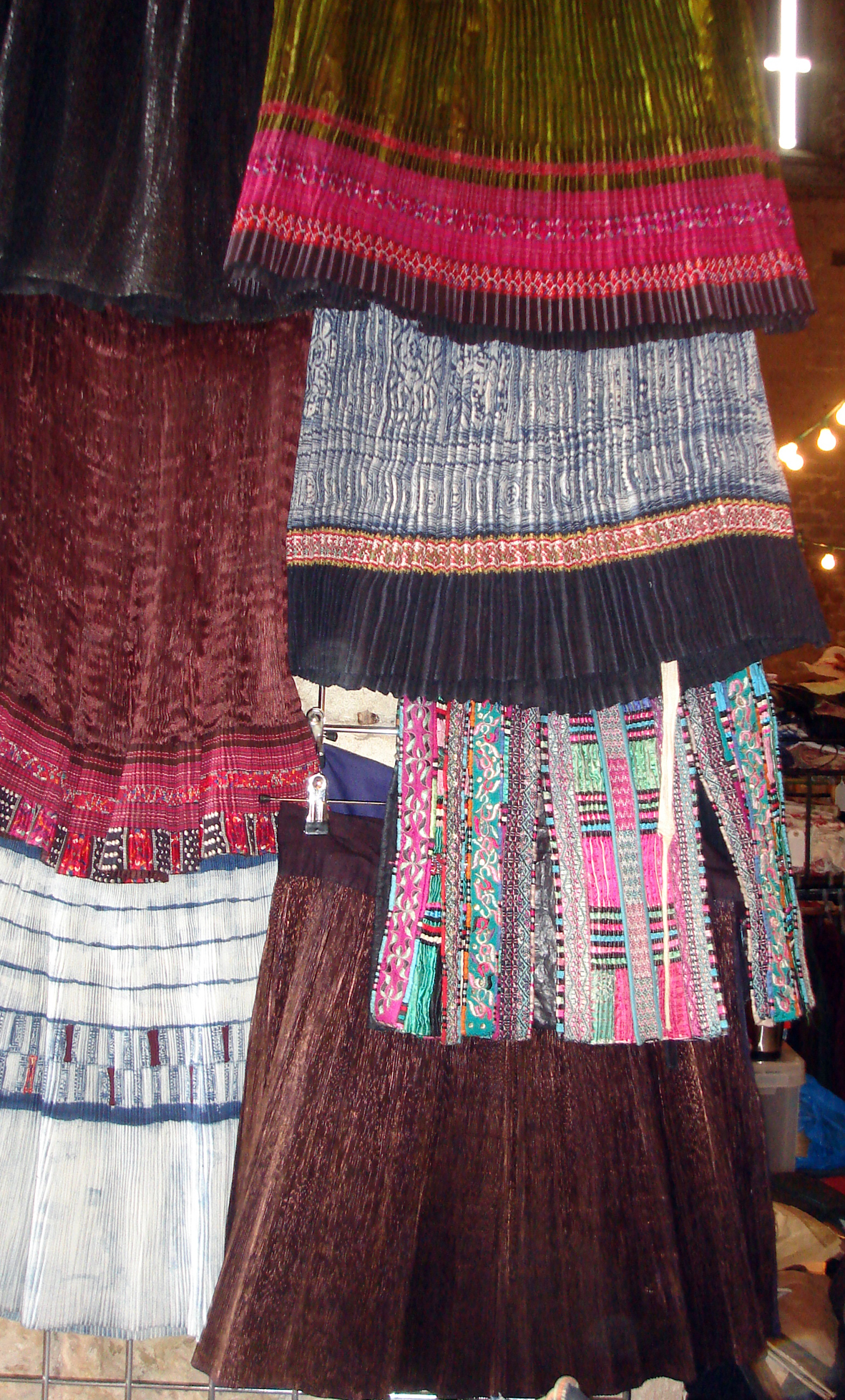
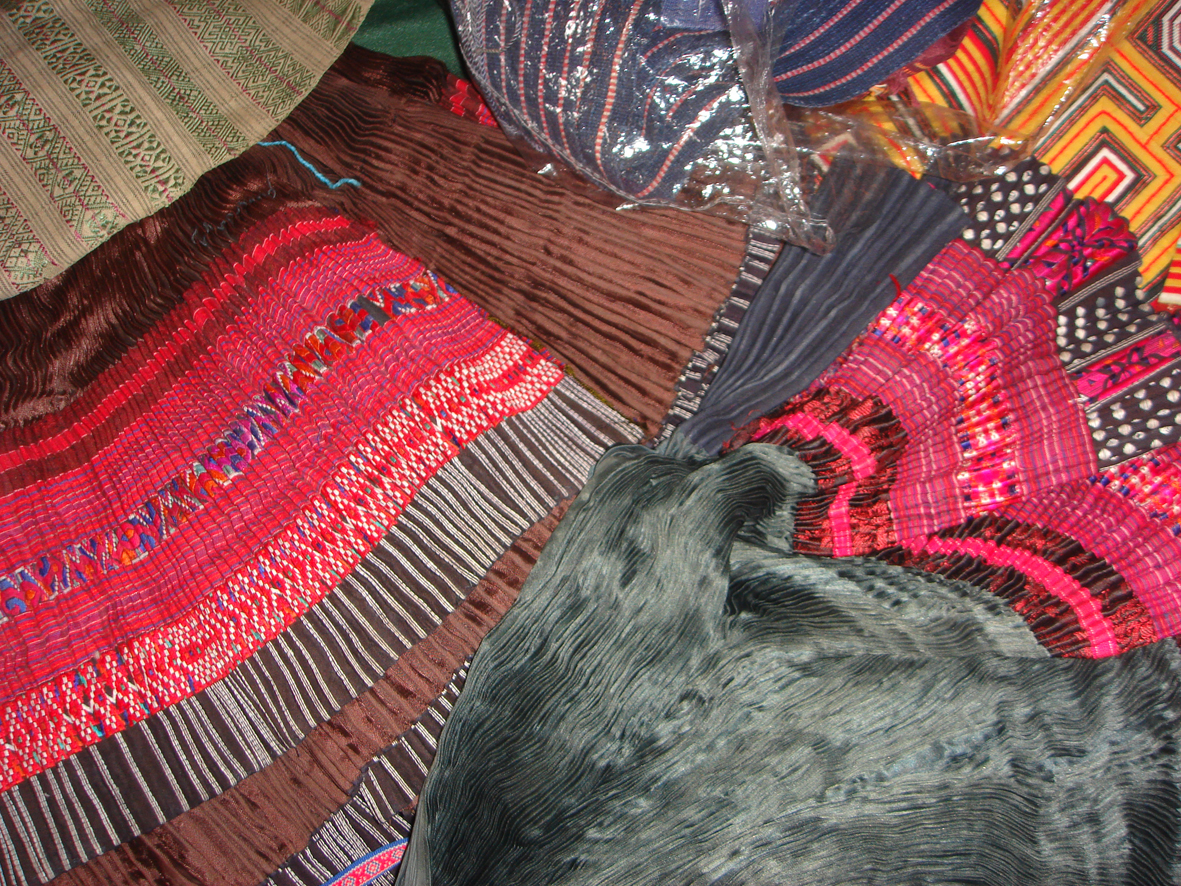
But what I really really wanted to buy – and if I could have found one to fit me I would have gone onto debt for – is a pleated burnished indigo skirt.

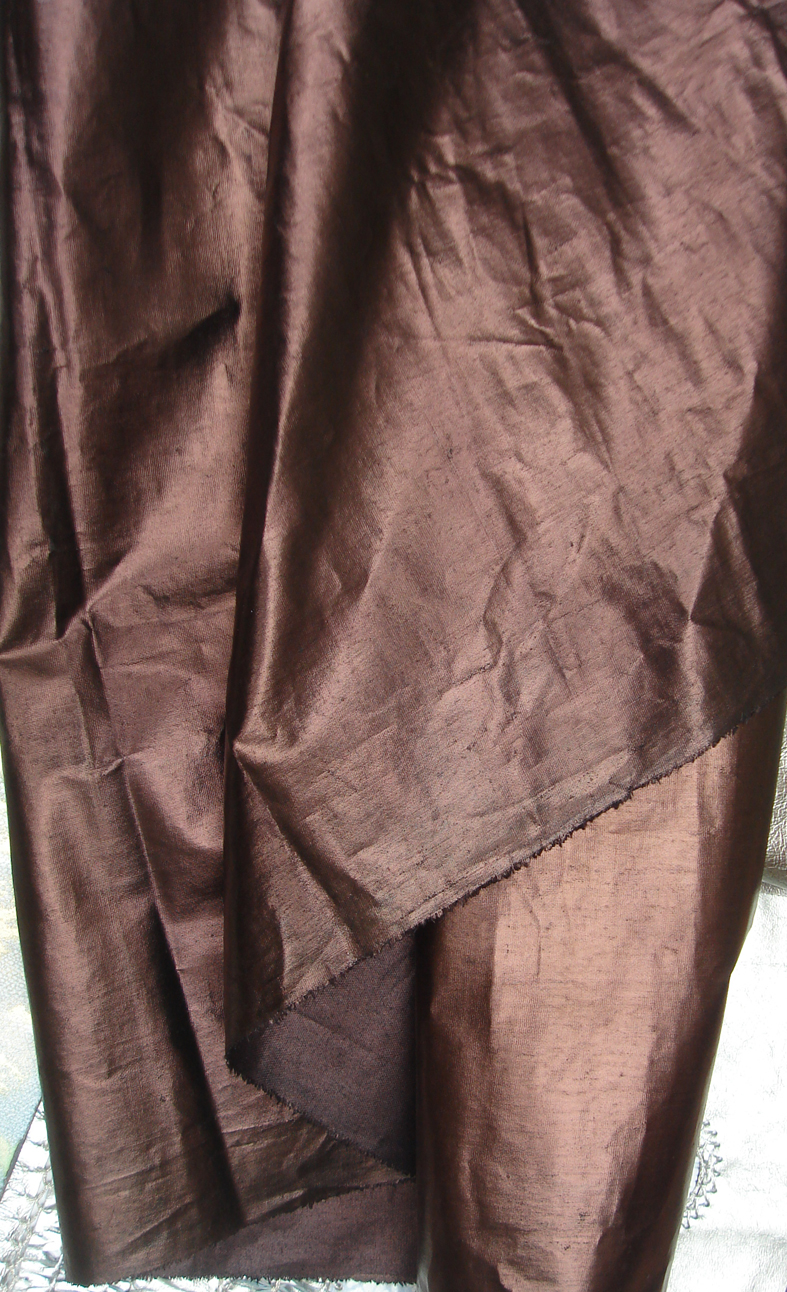
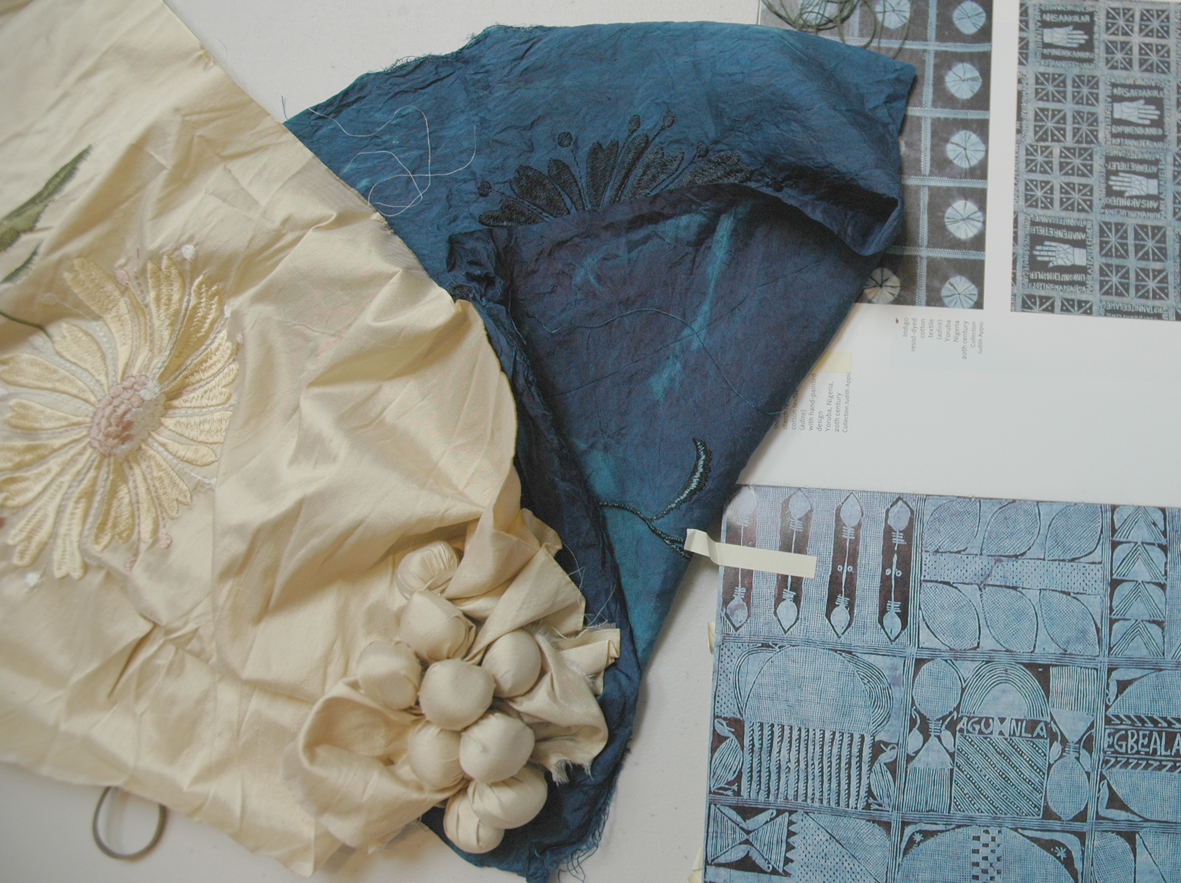
 What I did eventually feel able to afford on the grounds of Inspirational Object was a metre of beaten indigo cloth; apparently the indigo is mixed with many other active natural additives to get particular effects and colours. I can only recall Martin listing egg white, persimmon, urea, amongst the different lists of ingredients he quoted to make up each different dye.

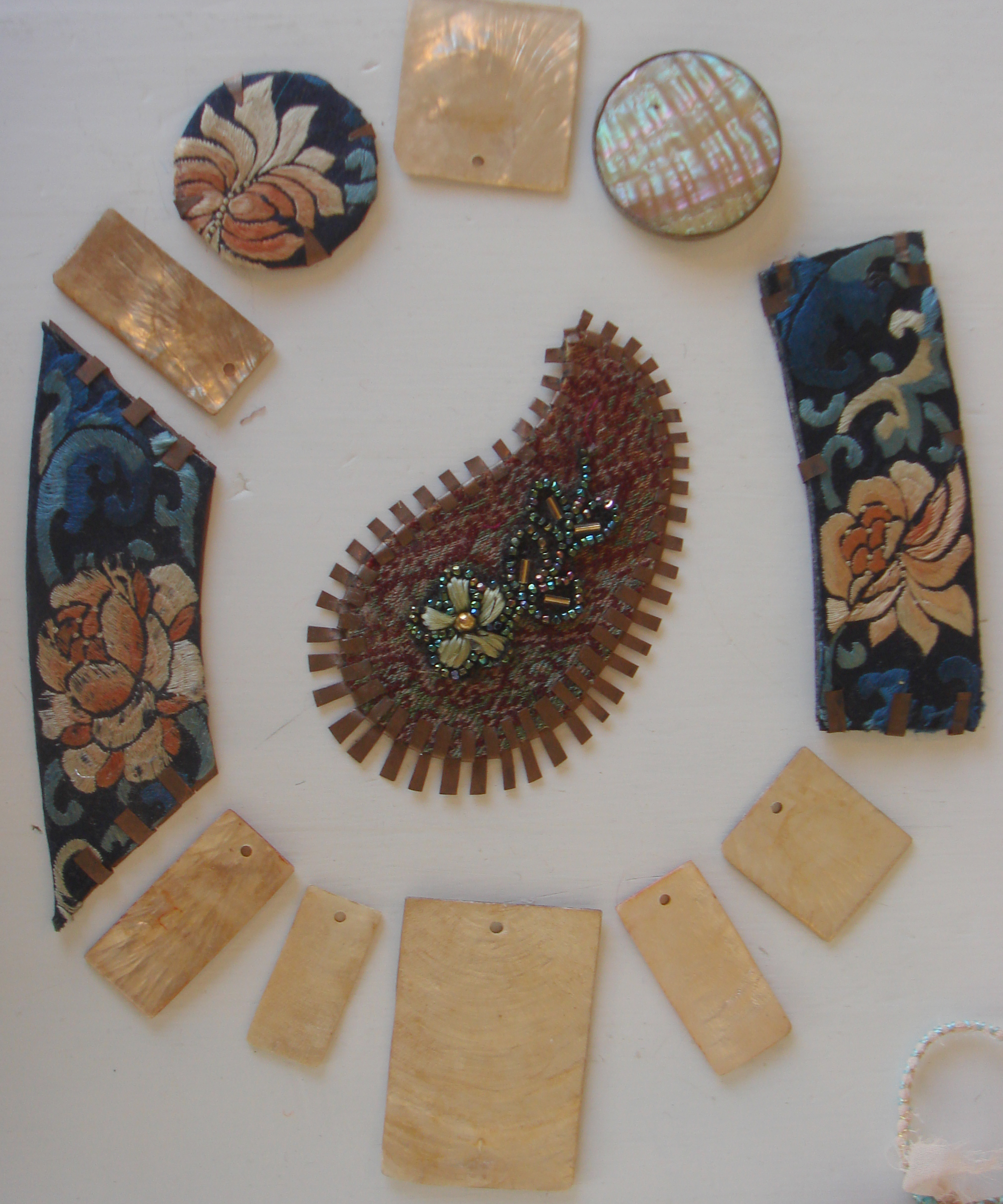
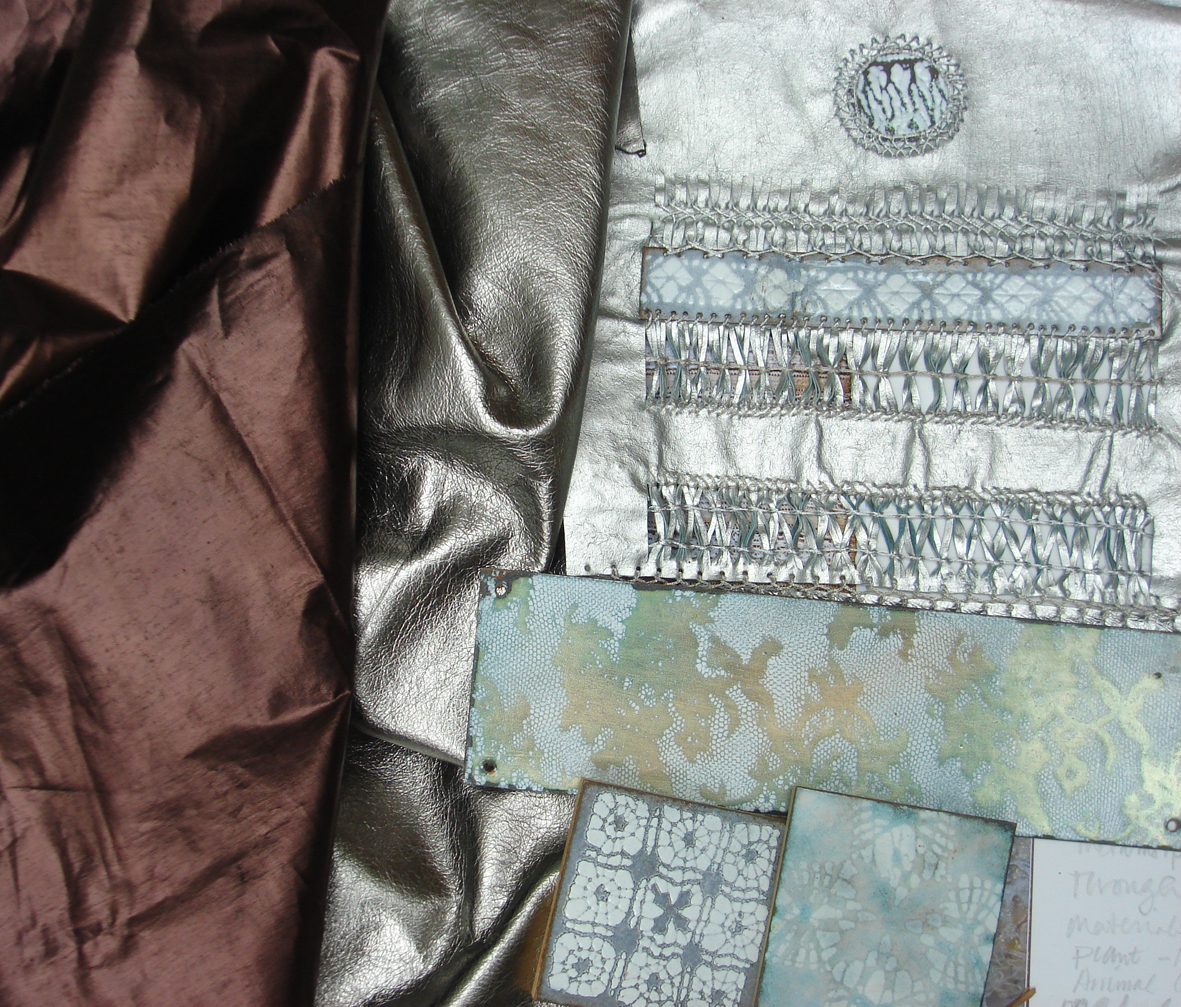
And why did I buy this simple cloth with all the wealth of other desirable things?  Well suddenly I saw a connection with some other things I am wanting to work with – when I get some time- to try to make some type of collaged/appliqued/stitched/ enamelled/ threaded leathers, metals and fabrics that will be combined on such a way that I can develop an entirely new set of work.

Below is a selection of the fabrics and objects that I will now start to think about again – watch this space – but don’t hold your breath!

Fabric Jewellry and Flowers

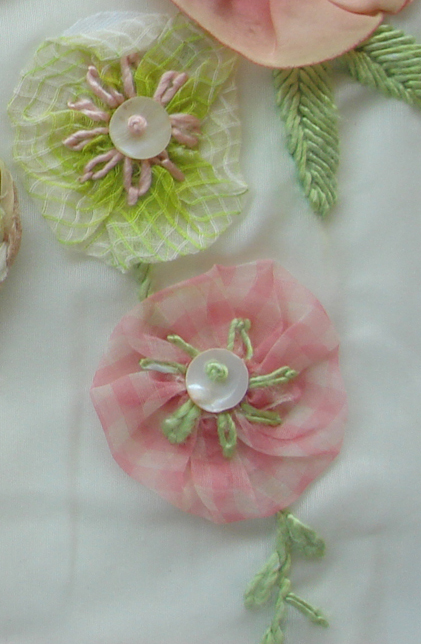
fabric and buttoned flowers - Teresa Searle and Janet Haigh

Textile  jewellery comes in all sorts of styles and fabrics, there seems to be a definite trend developing at Heart Space Studios for all types of textile  jewellry classes and they are really popular.

felt and fabric beads by tutor Patricia Brownen
The very first class that we ran was making fabric beads with Patricia Brownen and we are running these classes again later in the summer; the mixture of wrapped threads, beads and felt makes for really luscious beads that are simple and surprisingly quick to make.

woven ribbon rose brooches - Janet Haigh

Next Saturday, 21st May, I am giving a workshop on making ribbon flowers, these are really simple, and can be used for all sorts of different things, brooches (as above) stitched onto hair slides, made into cards, or attached to a present, or even a small everlasting posy. I will demonstrate 3 techniques, woven as the rose above….

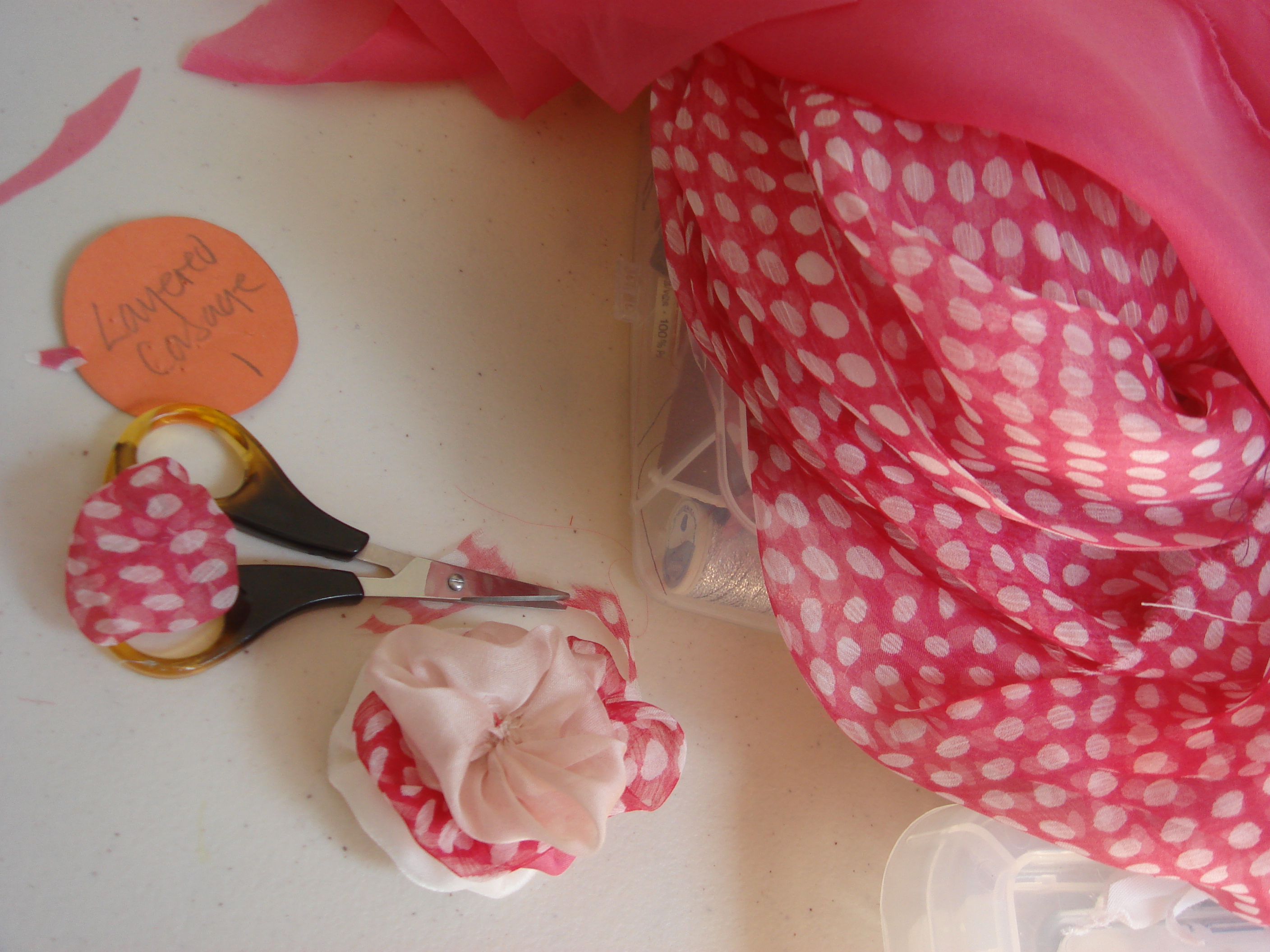
stitching ribbons as silk petals

stitched with fine ribbons or

ruched silk and organza flowers

ruched…it all depends on the quality and colour of the fabrics used that makes the difference to the flowers and at Heart Space Studios we have lovely and unusual vintage fabrics from which to choose..Hopefully I will show the results of the class in a future post – so watch this space.

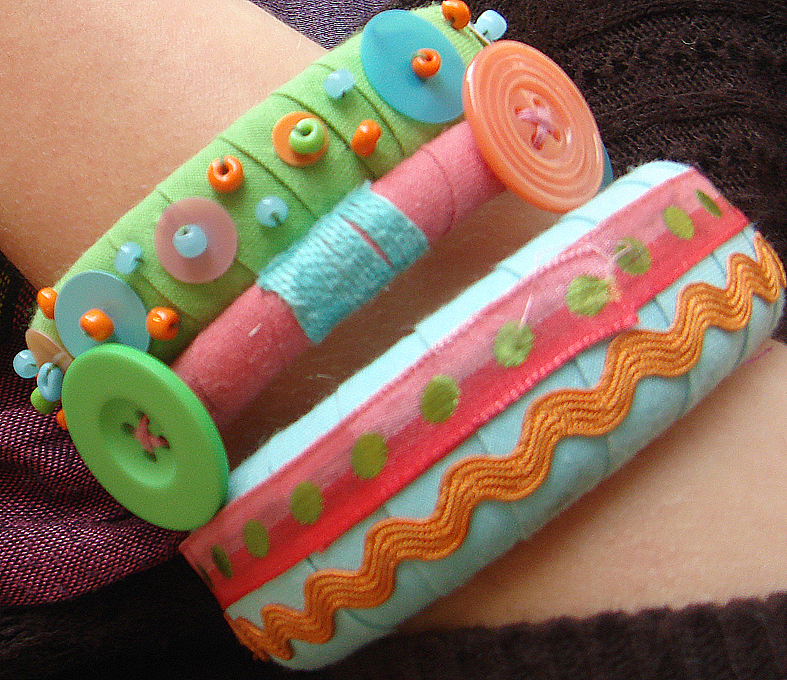
wrapped and buttoned bangles - Teresa Searle

Meanwhile several of the other tutors also running fabric jewellry classes.Teresa Searle is taking a class simply called Textile Jewellry, on Saturday June 11th  and her ideas look lovely.She has more varied ideas than me as she makes bangles, brooches and necklaces.

2 necklaces by Teresa Searle, one flowered and one scrappy fabrics and beads.

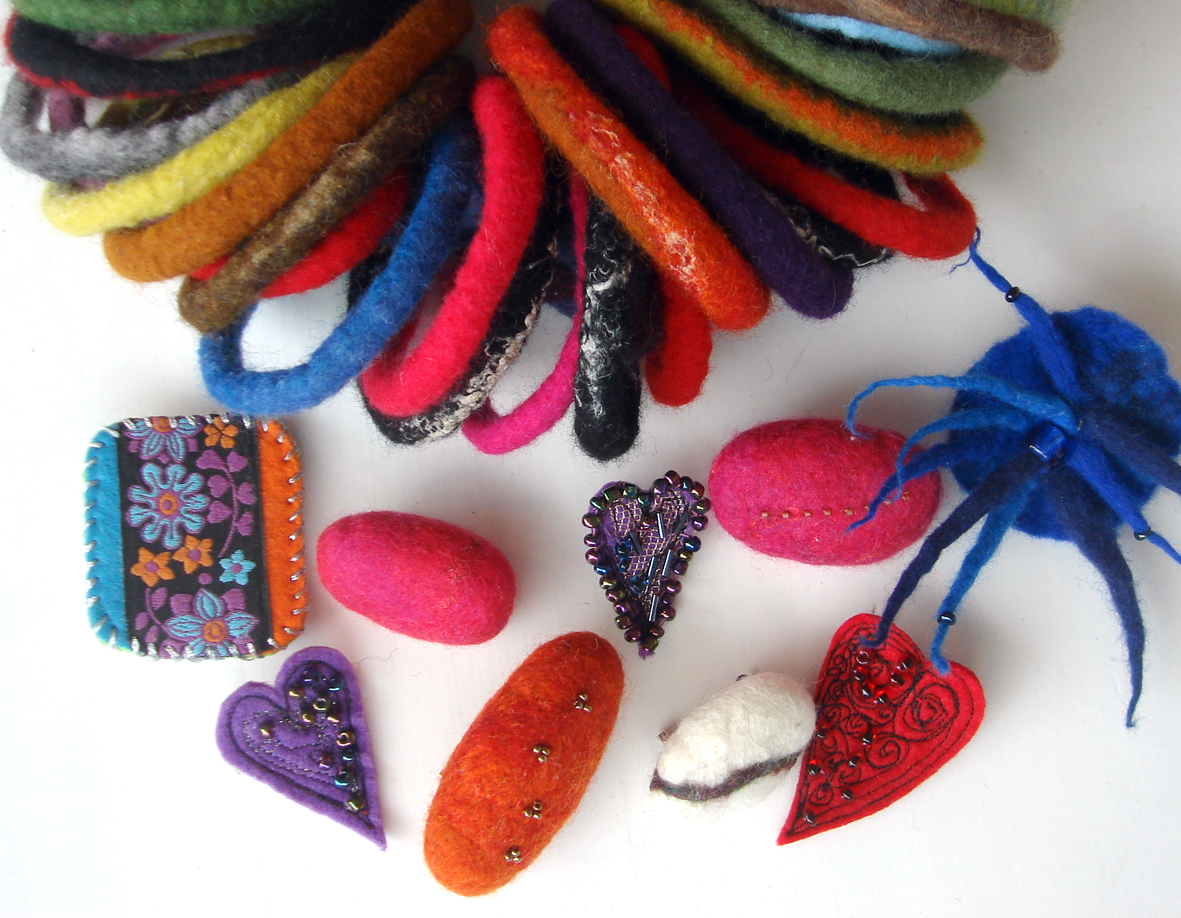
Two other tutors are making jewellry with felt, Janet Clarke, our regular felt-making tutor has designed simple and elegant round seamless felt bangles which you just want to make and wear several together. you will have this opportunity later in the summer. She also produces curious felt “stone” brooches – light as a feather but perfectly formed by her immaculate techniques and then there is the blue ‘alien’ brooch – see below…..

Whole felt bracelets by Janet Clarke shown with her felt stone brooches and her 'alien' threatening Debbie Bird's beaded felt heart brooches with one of my own appliqued ribbon and felt stitched badges

Debbie Bird makes brooches and jewellry from all sorts of stuff in her popular classes”Wear your Heart on your Sleeve”, below is a student’s first attempt at needle felt  with machine stitching.

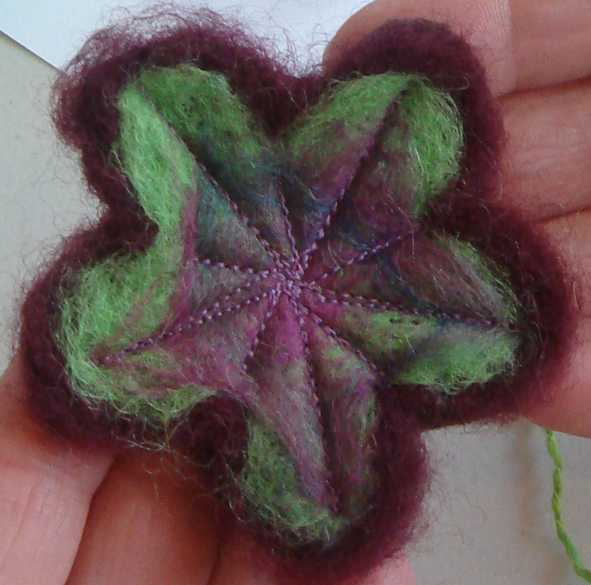
needle felted exotic flower - made at a previous Heart Space class.

Debbie’s next class is on 28th June, for all those who feel they might like to try her varied textile techniques to produce really personal jewellry.

embroidered and beaded felt workshop in progress

Indigo and Shibori Dyeing

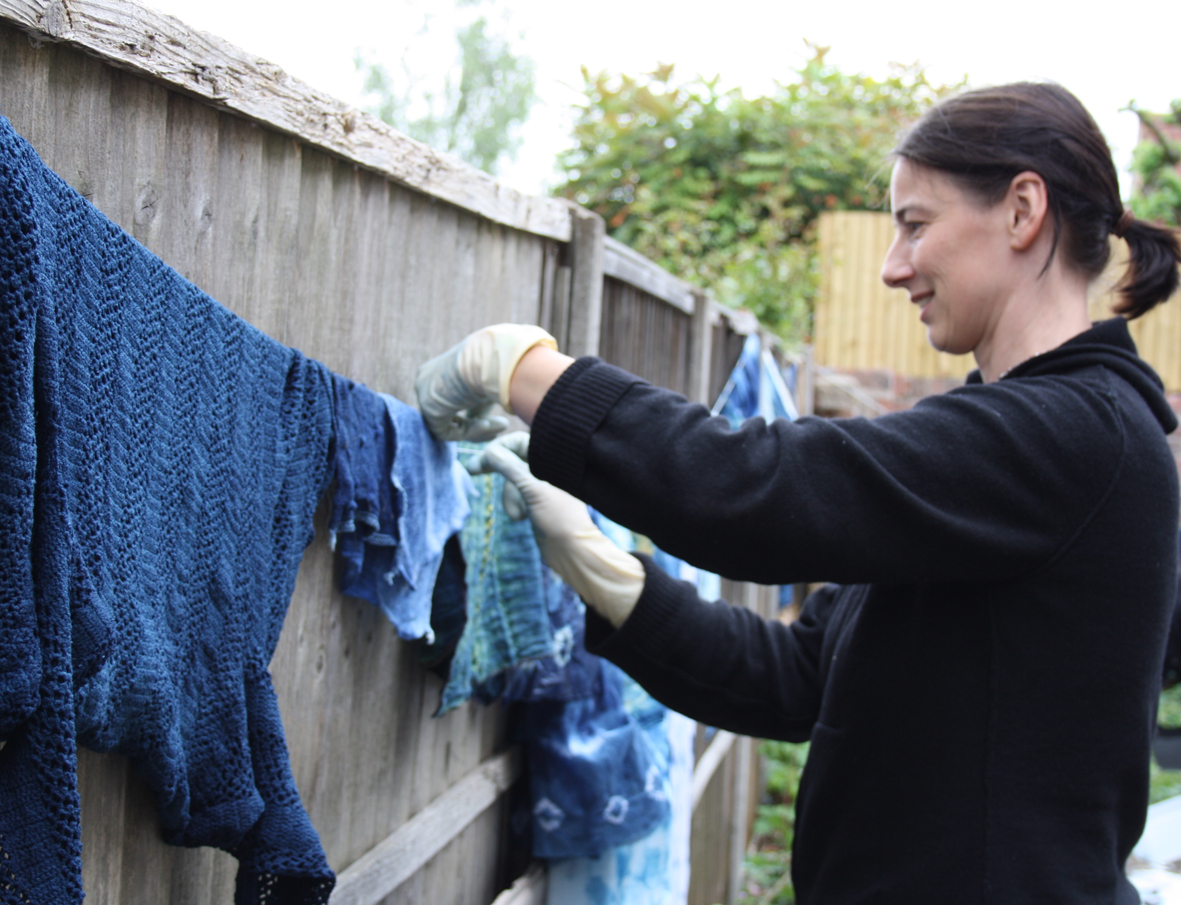
Indigo dyeing - Heart Space Studios' alternative to washing

Heart Space Studios went blue last week – indigo blue, our first Shibori dyeing class by Teresa Searle who is a textile designer maker and author and now developing new workshops for us, her next class is textile  jewellery and she is working on a course in experimental stitching for later in the year. When I walked into the class at mid morning there was plenty of experimental stuff going on.

starting the process and taking notes.

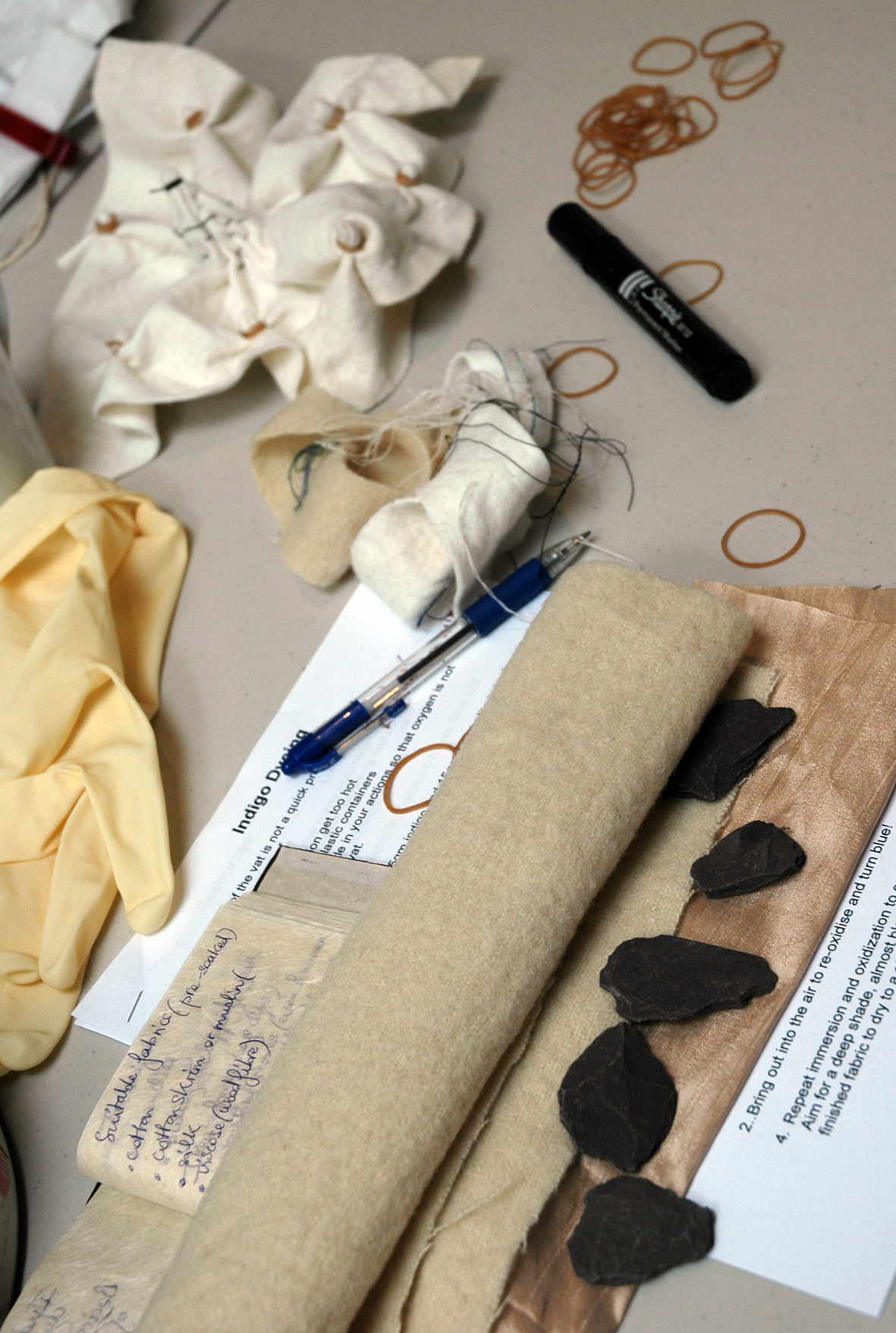
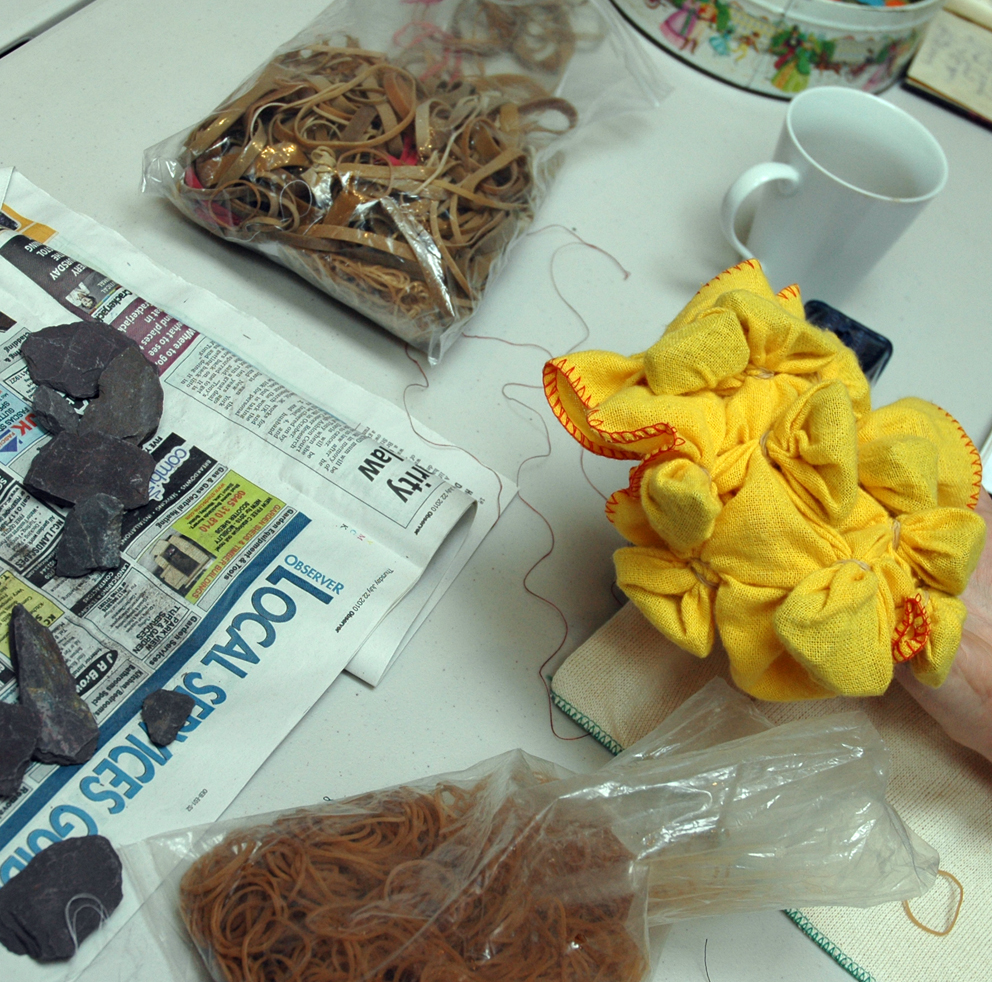
There were stones, elastic bands, thread, and all kinds of fabrics being worked on, from embroidered silks…..

Chinese embroidered silks tied with elastic

to cotton dusters.

cotton duster gets the same treatment

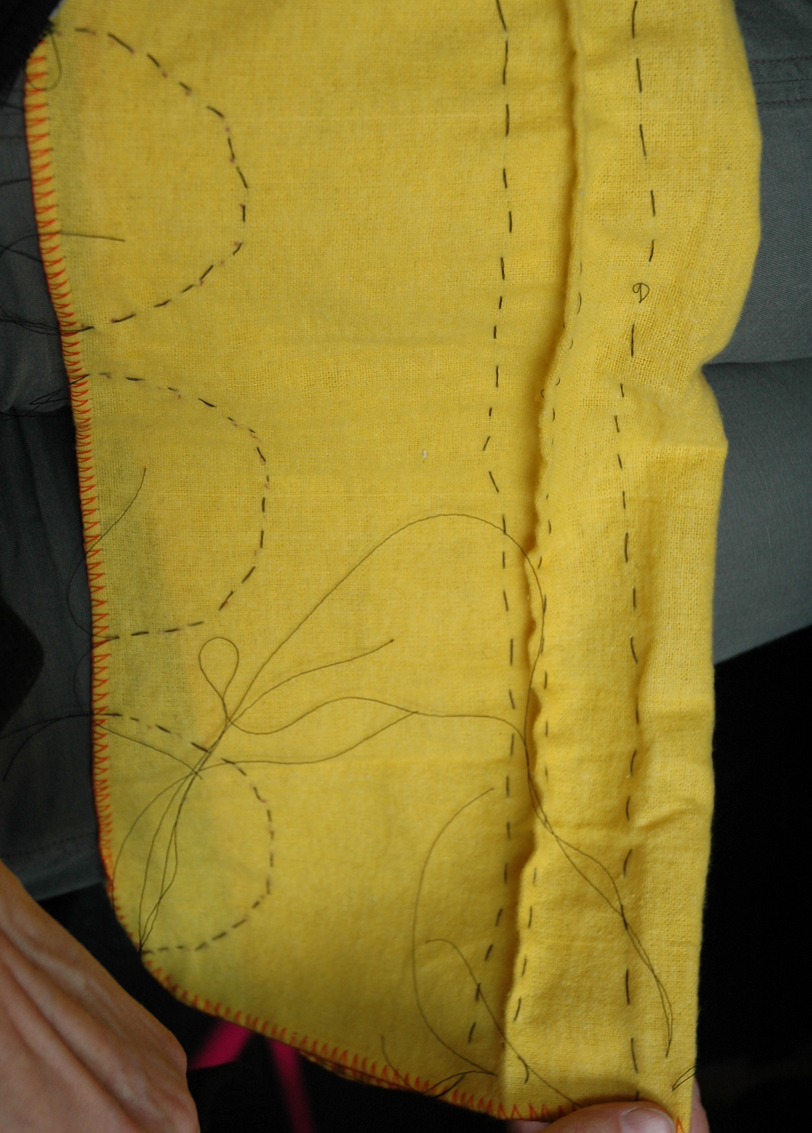
I even found someone stitching.

stitched duster

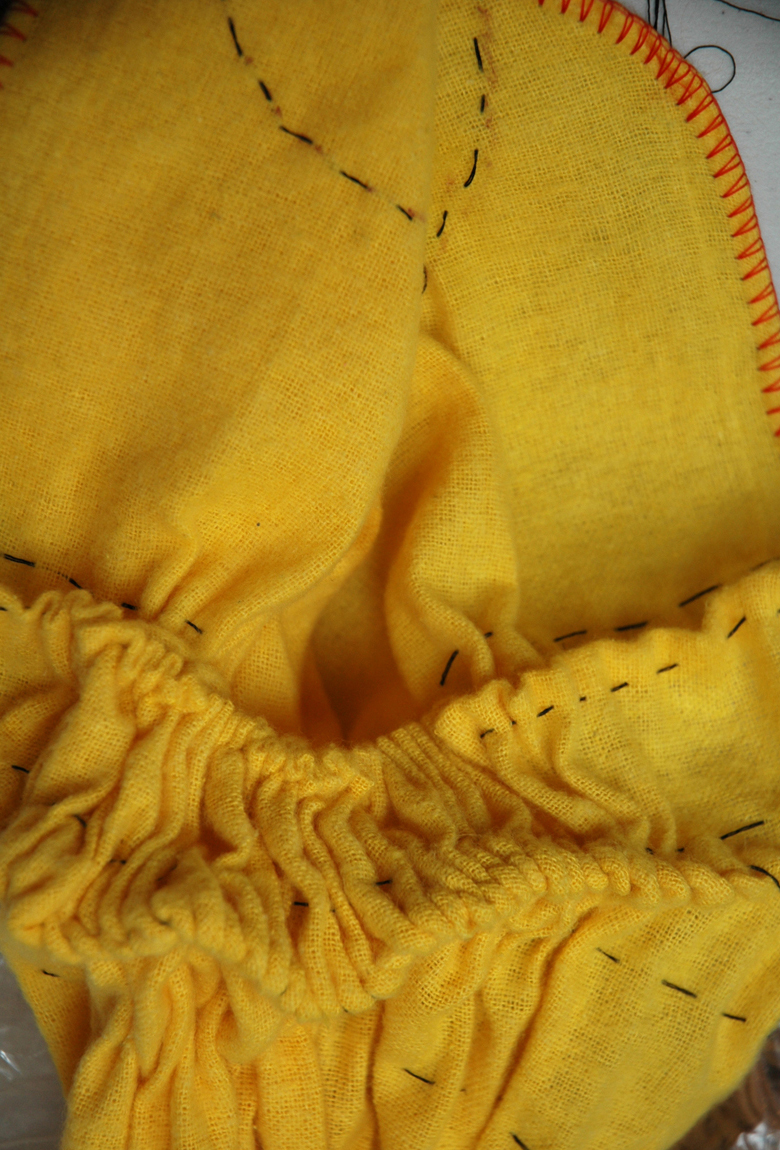
ruched duster

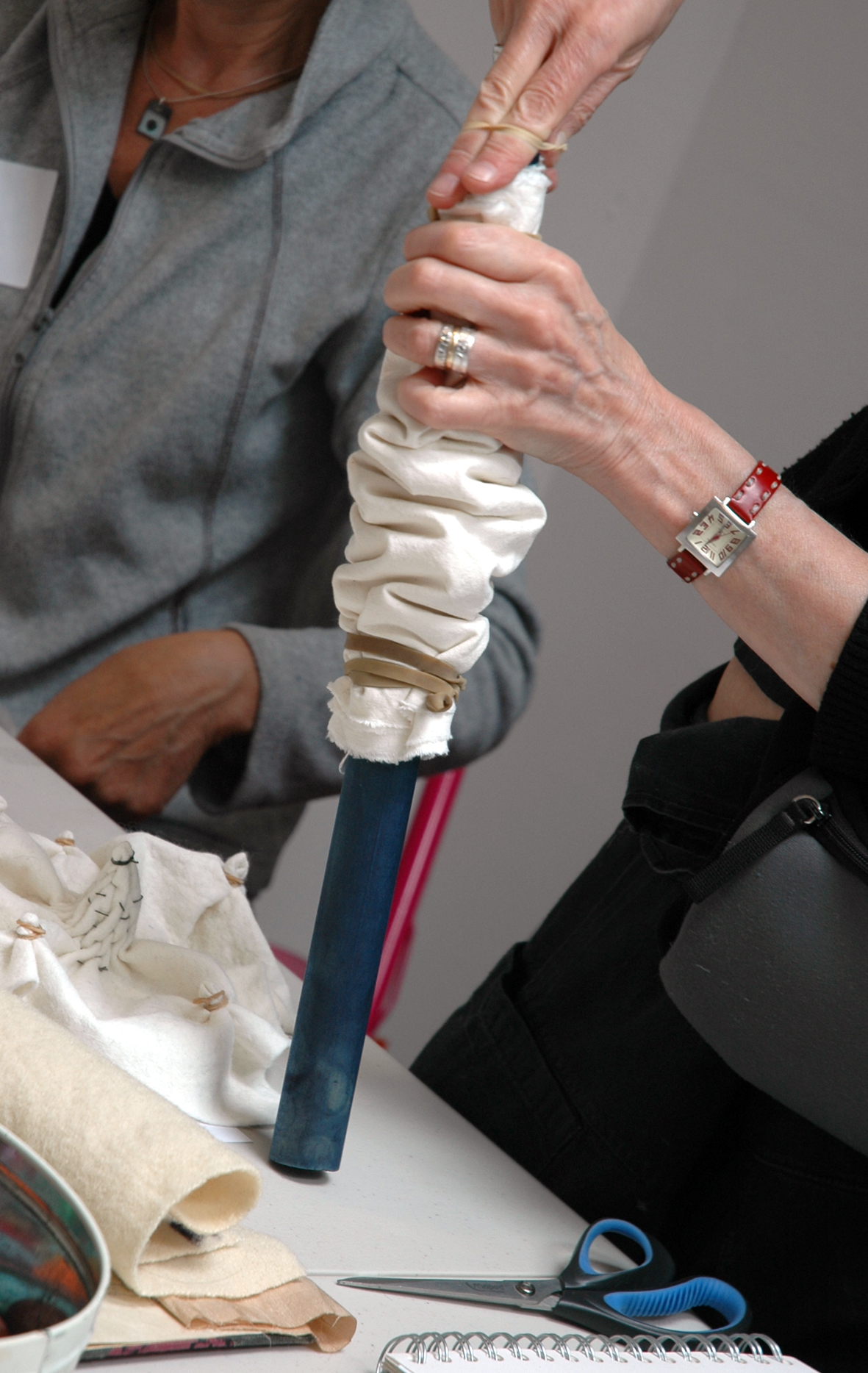
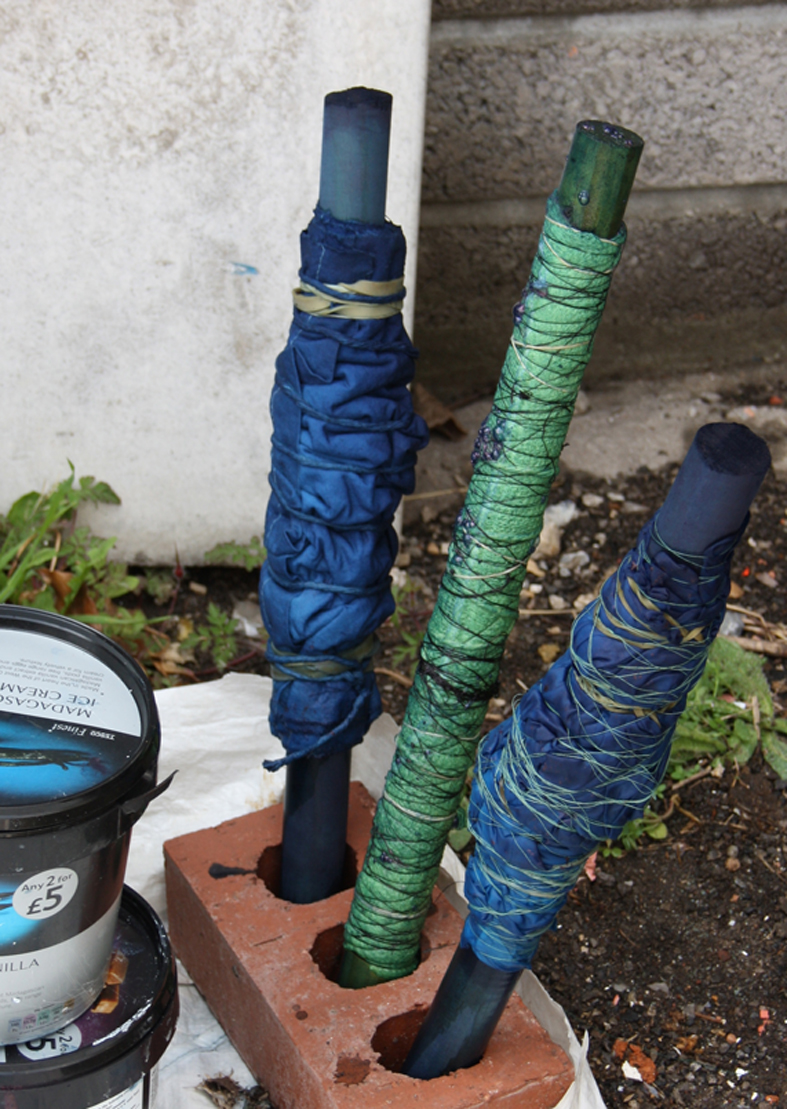
The fabrics were also being wrapped around tubes and tied in a seemingly random fashion – I could be wrong – it may have been very mathematical.

tubular elastic resist - in more ways than one

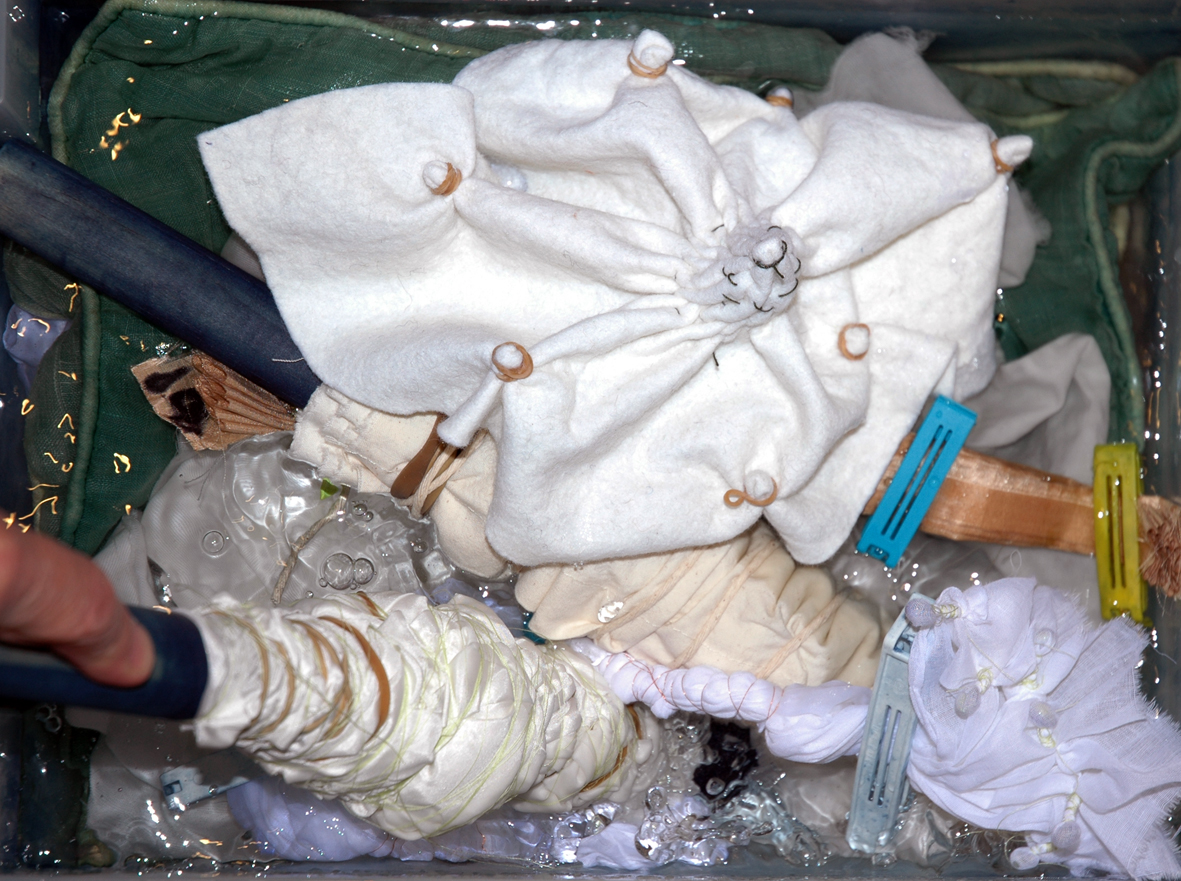
After the morning’s work spent wrapping and tying all the fabrics were into put water to soak

soaking samples

while I organised lunch

lunch in the front studio

Simple lunches are always provided at our whole day workshops, I have found that eating together gives everyone, usually all complete strangers, a chance to catch up and see who does what, and very often as this is a local venue, find that they have all sorts of things in common other than a love of textiles. The food is kept simple – salads, soups, decent breads with fruit and cheese and we always cater for tricky diets – most of us have had allergy problems ourselves. Also it makes the whole experience more of a treat, students can  just concentrate on the class for the whole day. Apparently this group thought they were getting wine when I brought out the stemmed glasses – fat chance – wine, then in charge of a dye vat! I don’t think so….must get new glasses to save further disappointment.

dip dying for gradated colour

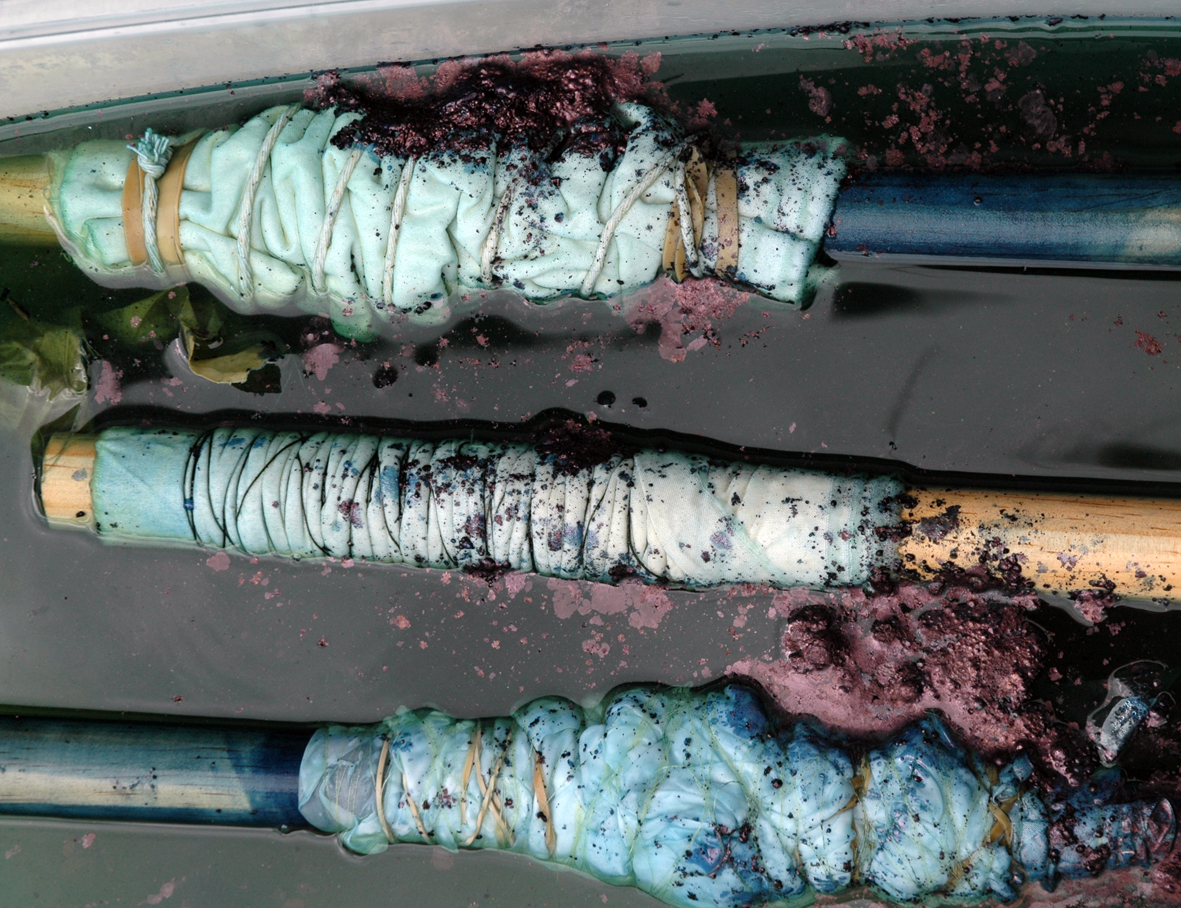
Then outside to do the actual dying, the indigo needs oxygen (and it does tend to stink) to make the reaction from deep green to that beautiful singing blue…watching the colour change is always fascinating. Teresa gave a simple and informative demo and explanation of times and strengths of dye, rigged up a washing line and let them all get on with it while being on hand to help, everyone was so excited – especially me.

immersing the rolls of bound cloth in the dye bath.

The dyed pieces were then left out to dry, while the students got on with more experiments.

dip dye developing colour

colur developing in the open air
Frustratingly I then had to get back home to meet and greet my own studio visitors but Jan Connett, one of the founding members of Heart Space Studios, stayed with the group and took the following pictures for me.

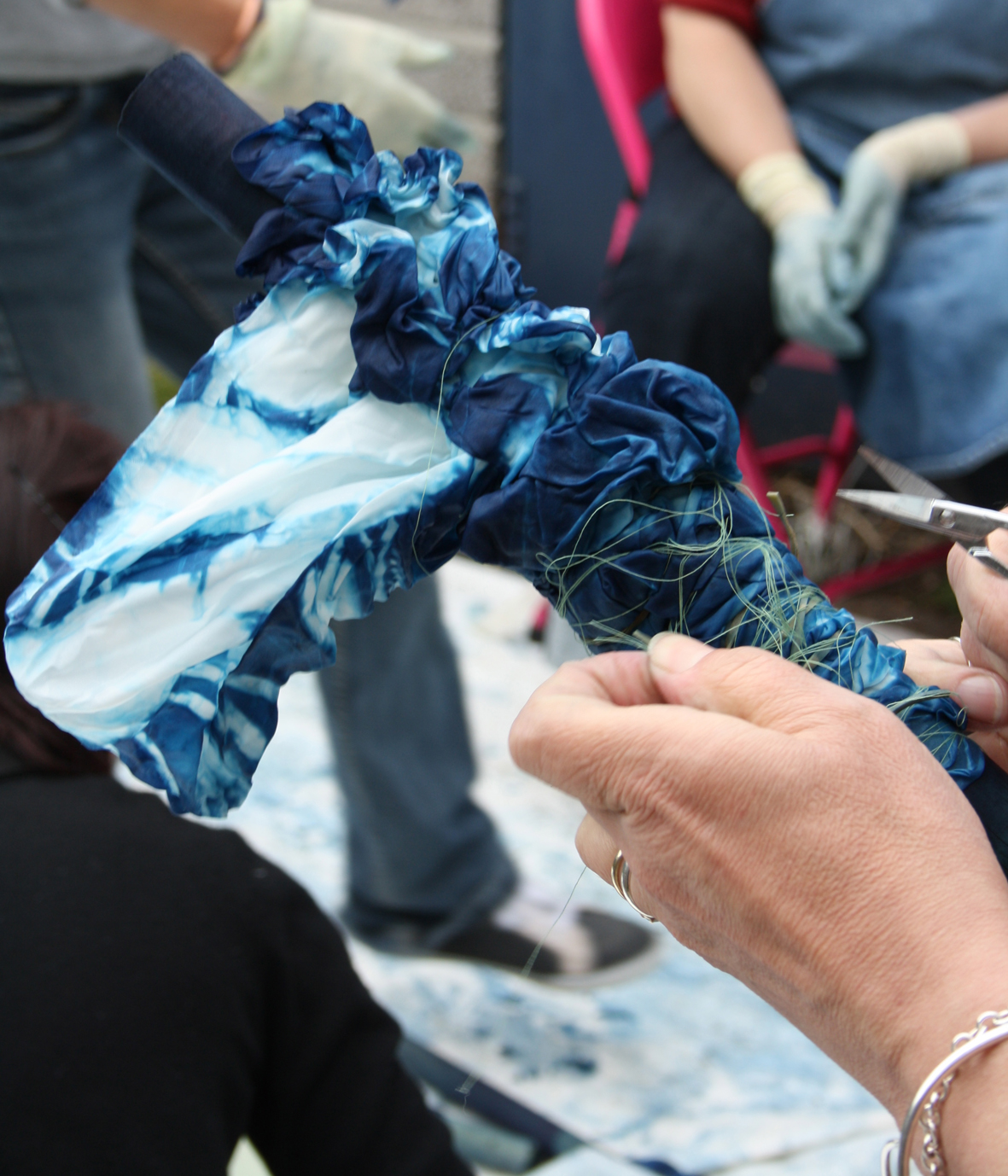
the most exciting moment - unravelling the ties

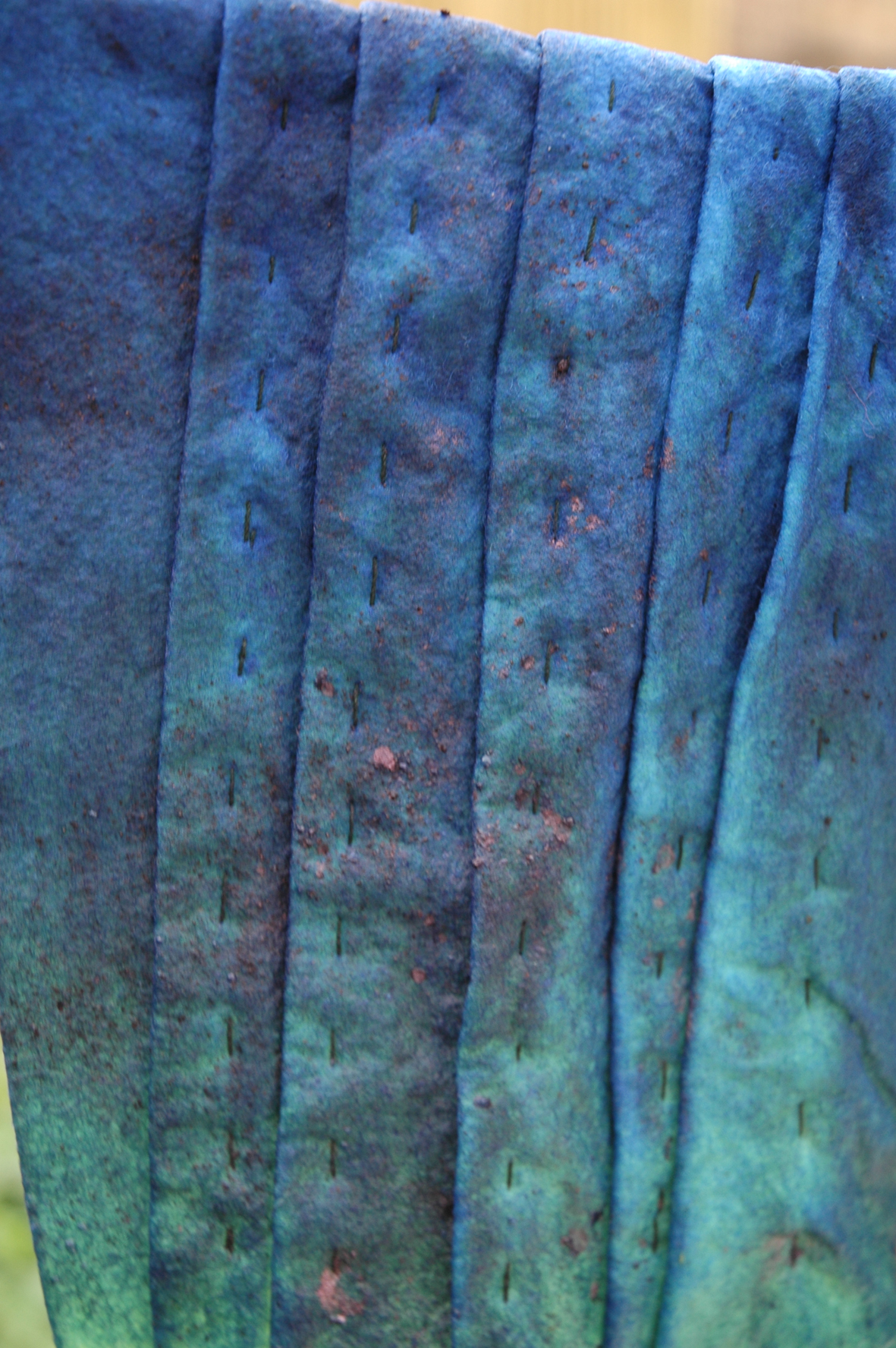
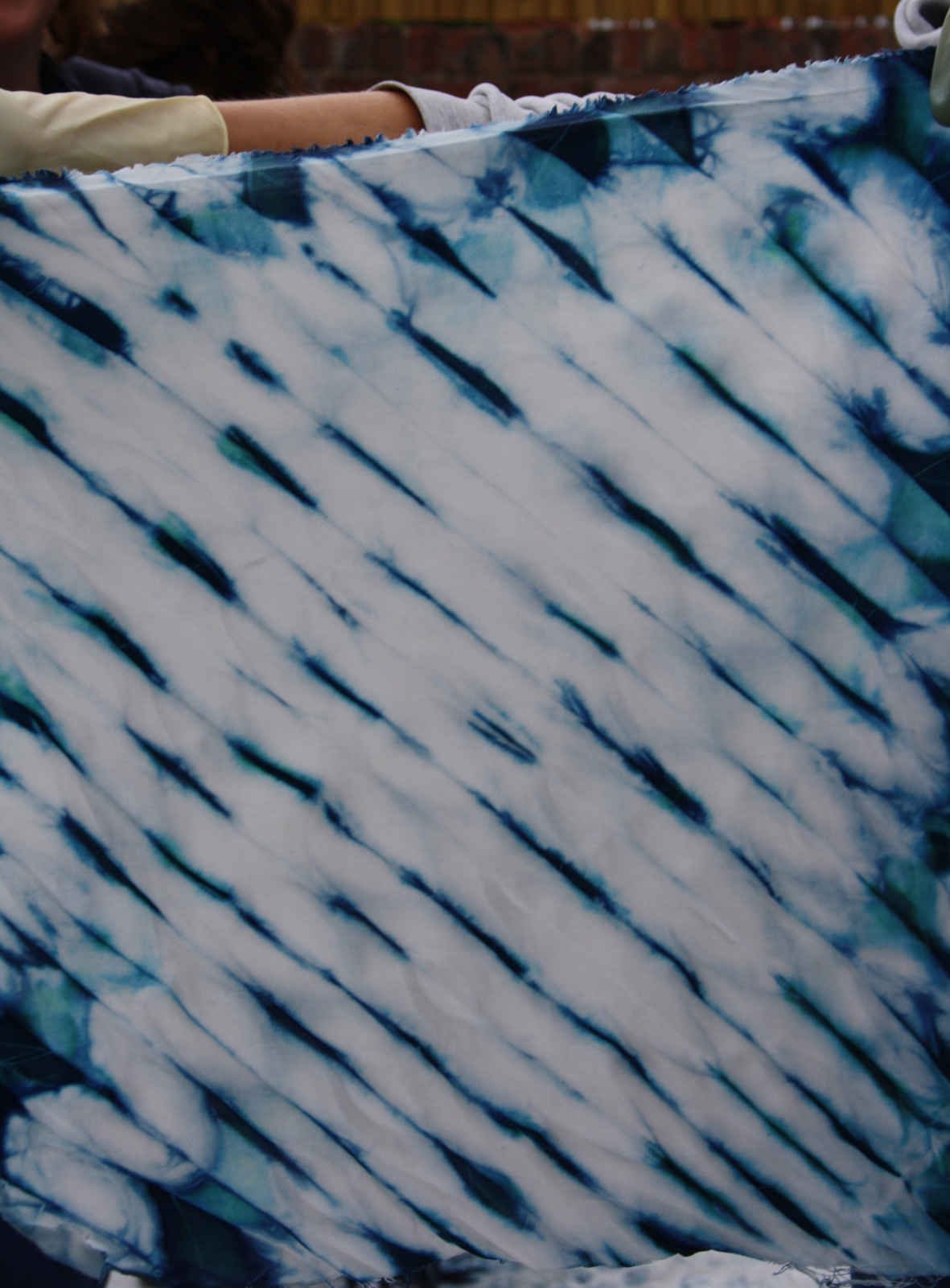
I wish I could have seen the faces of the students when the first ties were being pulled off –  pure magic – as are the finished results.

unfurled wrapped fabric washed and hung out to dry.

Wow!

If you want to try this with us keep checking theHeart Space Studios website  for the next classes, Teresa is planning some different typed of shibori dyeing classes for later in the year.